Apple Postpones Siri Upgrade Amid Growing AI Concerns

Apple Delays Siri Update Indefinitely Amidst Ongoing AI Development Struggles

Apple Inc. has faced significant setbacks in its AI division, with the company announcing a delay in the long-awaited updates to its Siri digital assistant. The planned features, which were first introduced last June, were expected to enhance Siri’s ability to access and use personal information for more accurate responses and provide users with greater control over apps. However, Apple has now stated that these upgrades will not be available until sometime in the “coming year.” While no specific date was given, the updates were originally anticipated for the upcoming iOS 18.4 software update scheduled for April.

The delay was first reported by Bloomberg News on February 14, which revealed that Apple was encountering difficulties in finalizing the new features. Initially, the enhancements were expected to be part of iOS 18.4. However, with multiple bugs and development challenges plaguing the project, the company decided to push back the launch to at least May, when iOS 18.5 is expected. Despite these efforts, insiders familiar with the situation now believe the new features may not be ready until next year at the earliest.

Apple’s AI team has been working overtime to resolve the technical issues, but progress has been slower than anticipated. The delays have raised concerns within the company, particularly as Siri faces increasing competition from other digital assistants powered by advanced AI. Apple’s decision to postpone the release highlights the complexities involved in integrating more sophisticated AI capabilities into consumer-facing products, as well as the importance of ensuring stability and reliability before rolling out significant updates.

The delays also come at a time when AI concerns are intensifying across the tech industry. With growing scrutiny over the ethical implications and potential risks of AI technology, Apple is likely taking a cautious approach to avoid introducing features that could backfire. As the company continues to work on resolving the bugs, it remains unclear when users can expect the next major upgrade to Siri, but the indefinite postponement underscores the challenges Apple faces in advancing its AI efforts while managing public expectations.
Vernal Equinox 2025: When It Happens and Why It Matters

Vernal Equinox 2025: Understanding the Science and Significance of the Event

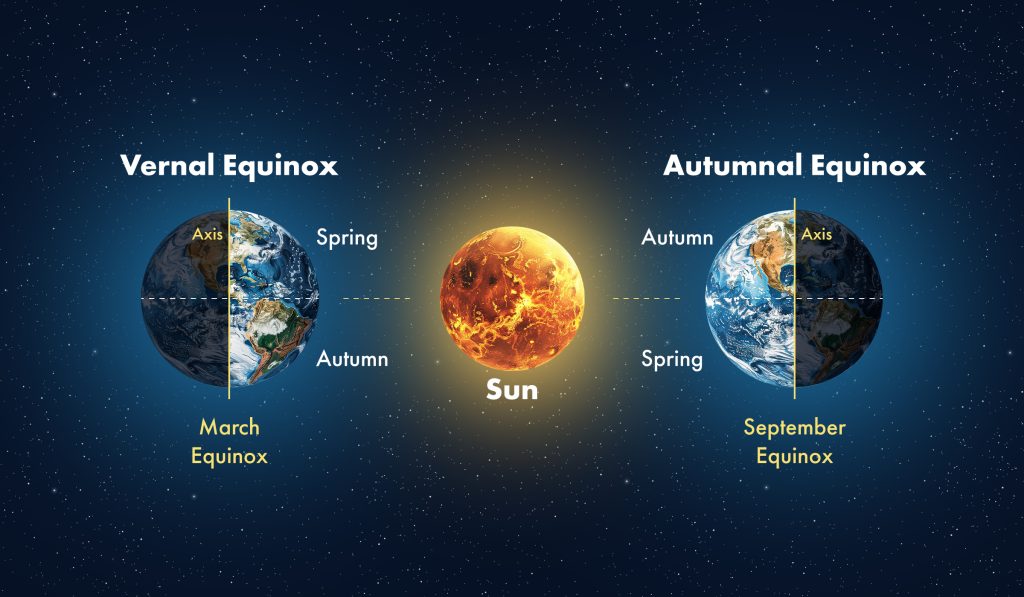
The vernal equinox of 2025 will occur on March 20, marking the official start of spring in the Northern Hemisphere, while the Southern Hemisphere will experience the arrival of autumn. This annual event signifies the moment when day and night are nearly equal in length across the globe, offering a rare instance of balance between daylight and darkness. The occurrence of the equinox is due to Earth’s axial tilt of about 23.5 degrees, which influences how sunlight is distributed across the planet throughout the year. During the equinox, the Earth is positioned in such a way that it is neither tilted toward nor away from the Sun, resulting in almost equal durations of day and night.

The cause of the equinox lies in Earth’s orbital movement around the Sun. While orbiting, Earth maintains a fixed axial tilt, which causes the Sun to shine directly over the equator during the equinox. This alignment distributes sunlight more evenly between the Northern and Southern Hemispheres, creating a temporary balance between daytime and nighttime hours. However, complete equality is not achieved because of factors such as atmospheric refraction and the apparent size of the Sun, which lead to minor discrepancies in the exact length of daylight. Locations on the equator generally receive about 12 hours and 6 minutes of sunlight, with regions further from the equator experiencing slightly longer days.

Despite occurring around March 20 and September 22 each year, equinoxes do not always fall on the exact same date. The Earth’s orbit around the Sun is slightly longer than 365 days, and this extra fraction of a day accumulates over time, causing slight shifts in the calendar dates of the equinoxes. As a result, the timing of the equinox changes by a small amount each year, though it typically remains within a few days of the standard dates. In meteorology, spring is commonly considered to begin on March 1, while the astronomical definition of the season starts with the equinox.

The vernal equinox holds significance not only in scientific terms but also in cultural and historical contexts. It has long been a symbol of renewal and balance, marking the transition from the cold, dark winter months to the warmer, brighter days of spring. For many societies, the equinox has been celebrated as a time of new beginnings, growth, and the return of life to the natural world. Whether viewed from a scientific, cultural, or personal perspective, the equinox remains an event that connects us to the rhythms of the Earth and the cosmos.

Massive Iceberg A23a Strands Near South Georgia, Sparking Ecological Concerns

Giant Iceberg A23a Stalls Near South Georgia, Raising Ecological Concerns

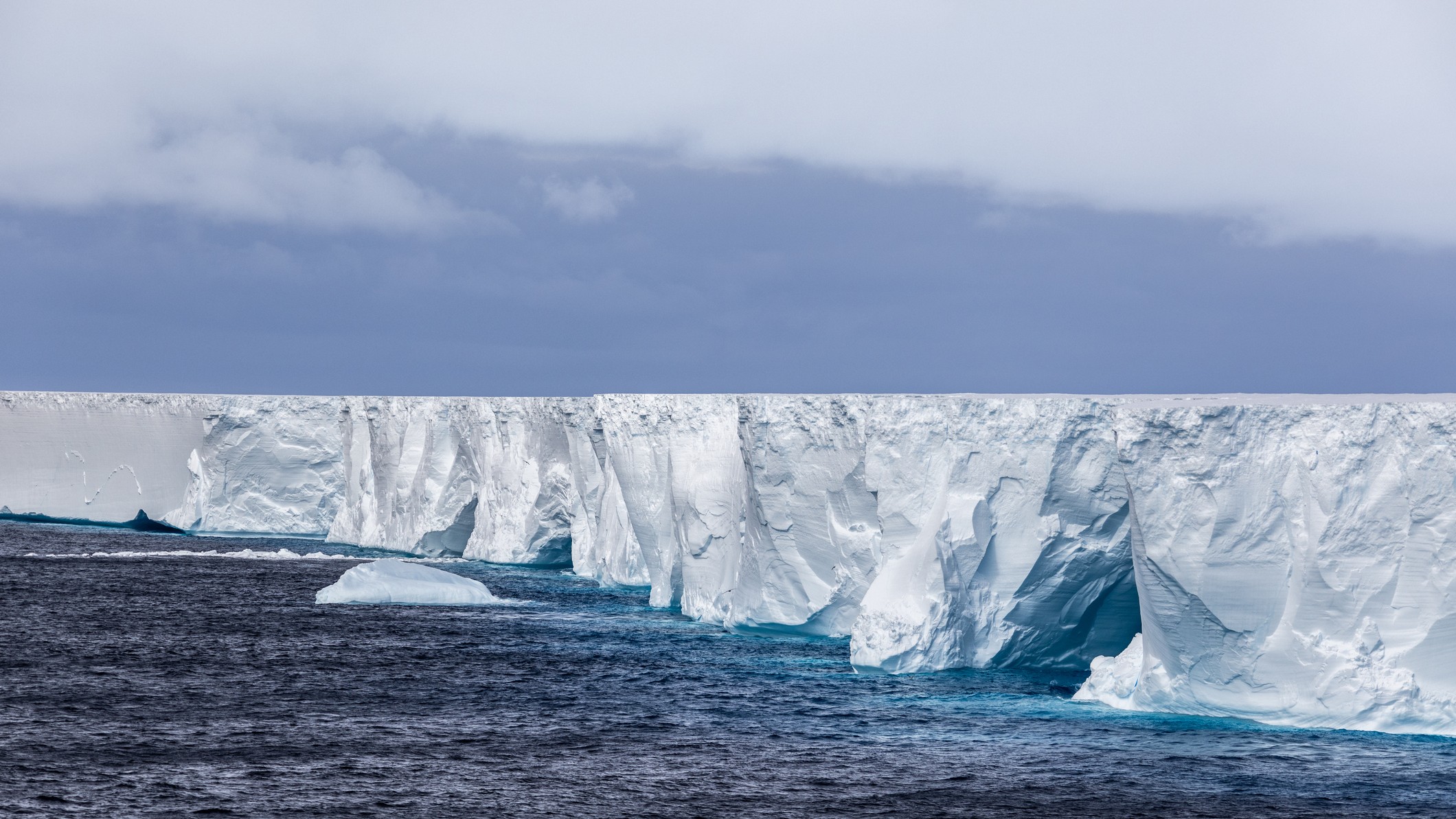
The world’s largest iceberg, A23a, has grounded near South Georgia, a vital wildlife refuge in the South Atlantic. The British Antarctic Survey (BAS) confirmed on March 4 that the colossal iceberg, roughly the size of Rhode Island, came to a halt about 80 kilometers from the island. After drifting through the Southern Ocean for months, its movement has been closely tracked by scientists. Experts are now assessing its potential impact on the delicate ecosystem, particularly on species such as penguins, seals, and krill-dependent marine life.

A23a has had a long and complex journey. Originally part of Antarctica’s Filchner Ice Shelf, it calved in 1986 but remained grounded on the seabed for more than 30 years. In 2020, the iceberg finally began drifting, eventually getting temporarily lodged near the South Orkney Islands in early 2024. After breaking free in December, it continued its slow path northward toward South Georgia. Researchers had previously warned that its approach could disrupt the region’s rich biodiversity and ocean currents.

Scientists are particularly concerned about the potential impact on the island’s wildlife. South Georgia is home to vast colonies of penguins and seals, which depend on access to open water for food. If A23a remains grounded, the risks may be minimal. However, if it moves closer to the island or begins to fragment, it could block foraging routes, forcing adult animals to travel further for food. This disruption could have dire consequences for their offspring, increasing mortality rates due to starvation.

Beyond wildlife, A23a’s presence may also affect ocean circulation and nutrient distribution. Icebergs of this scale release large volumes of freshwater as they melt, which can alter local ocean chemistry and impact krill populations—the foundation of the food chain. As researchers continue monitoring its position, they are also considering potential long-term effects on marine ecosystems, emphasizing the need for continued scientific observation.