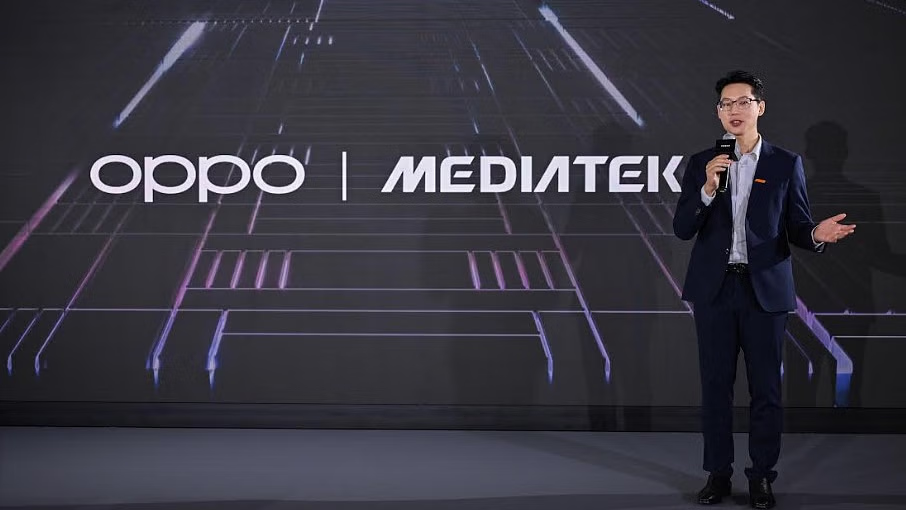
Oppo Unveils Gemini Integration and New AI Features Across First-Party Apps at MWC 2025

At the Mobile World Congress (MWC) 2025 in Barcelona, Oppo unveiled a series of exciting new artificial intelligence (AI) developments, showcasing the company’s commitment to enhancing user experiences. A standout announcement was the integration of Google’s Gemini AI across Oppo’s first-party apps, which aims to offer users a more seamless and intuitive AI assistant experience. In addition to this integration, Oppo previewed several new AI features that will be rolled out in the coming months, highlighting the company’s push to advance its AI technology in various practical applications. Oppo also introduced its Private Computing Cloud, powered by Google Cloud, to ensure that these innovations maintain the highest standards of privacy and security.

One of the key aspects of Oppo’s new strategy is its deep integration of Google’s Gemini AI into its smartphone ecosystem. The company outlined its vision to evolve the consumer AI experience from a functional-level to a system-level integration. As a result, popular first-party apps such as Notes, Calendar, and Clock will now feature Gemini AI capabilities, allowing users to interact with their devices in a more hands-free, efficient manner. With Gemini’s expanded role, users will be able to simply ask the AI to perform tasks like creating a note, scheduling a calendar event, or setting an alarm, making daily operations smoother and more convenient.

This integration of Gemini across Oppo’s first-party apps marks a significant step forward in AI adoption within the smartphone industry. It not only enhances the usability of these essential apps but also offers a more personalized and context-aware experience. By building Gemini’s capabilities directly into apps users rely on daily, Oppo is positioning itself as a leader in AI-driven smartphone experiences. The integration of AI within these apps will likely resonate with users who value ease of use and productivity, as it streamlines the process of managing tasks and scheduling events.

Additionally, Oppo is ensuring that its AI advancements are built on a foundation of privacy and security. With the launch of the Private Computing Cloud powered by Google Cloud, Oppo is taking significant strides in safeguarding user data while offering cutting-edge technology. The new cloud service is designed to support confidential computing, ensuring that personal data is protected while AI-driven features perform complex tasks. Oppo’s focus on privacy in the age of AI demonstrates its commitment to providing not only innovative technology but also responsible and secure usage for its users.

SpaceX Falcon 9 Successfully Launches Athena Lander and NASA’s Lunar Trailblazer Mission to the Moon

A SpaceX Falcon 9 rocket successfully launched from Kennedy Space Center, carrying both the Athena lunar lander and NASA’s Lunar Trailblazer orbiter on a mission to the Moon. The launch took place at 7:16 p.m. EST from Launch Complex-39A, marking an exciting milestone in the ongoing exploration of the lunar surface. The Athena lander, developed by Intuitive Machines, is designed to conduct detailed investigations of lunar water ice deposits, while the Lunar Trailblazer orbiter, built by NASA, will map these deposits from orbit. Together, the two missions aim to enhance our understanding of the Moon’s water ice distribution, a key component for future lunar exploration and potential resource utilization.

Athena is equipped with a suite of ten scientific instruments, including the Polar Resources Ice Mining Experiment 1 (PRIME-1), which will be central to its mission. Among the tools on board are the Regolith Ice Drill for Exploring New Terrain (TRIDENT) and the Mass Spectrometer for observing lunar operations (MSolo). These instruments will work together to extract and analyze samples from beneath the lunar surface, focusing on the presence of water ice. This data is expected to play a crucial role in advancing in-situ resource utilization (ISRU) technologies, which could enable long-term lunar exploration by utilizing local resources for fuel, water, and other necessities.

In addition to Athena’s on-the-ground research, NASA’s Lunar Trailblazer orbiter will complement the mission by mapping water ice deposits across the Moon’s surface. This data will be particularly valuable in understanding the distribution of ice in shadowed regions like Mons Mouton, where Athena is expected to land. By providing a comprehensive overview of lunar ice, Lunar Trailblazer’s findings will inform future missions and help scientists pinpoint the most promising sites for resource extraction. This coordinated approach between lander and orbiter will create a detailed picture of the Moon’s water ice reserves, which is critical for future sustainable exploration.

The Athena mission is expected to reach lunar orbit in about four to five days, with the actual landing anticipated to occur between 1.5 and three days after entering orbit. The mission is planned to last approximately ten Earth days. To extend its capabilities, Athena carries two secondary exploration vehicles: MAPP, a rover developed by Lunar Outpost, and Grace, a hopping robot created by Intuitive Machines. Grace is designed to explore shadowed lunar craters that are difficult for wheeled vehicles to access, while MAPP will help establish a lunar communications network using Nokia Bell Labs’ Lunar Surface Communications System (LSCS). These innovative technologies aim to support long-term lunar missions and ensure reliable communication between Earth and the lunar surface.

The Athena mission follows the company’s earlier IM-1 mission, which marked the first soft lunar landing by a private company but faced challenges with landing precision that affected data transmission. Intuitive Machines has focused on improving landing accuracy for IM-2, as noted by Trent Martin, the Senior Vice President of Space Systems at Intuitive Machines. The lessons learned from IM-1 will be invaluable in ensuring the success of this mission, which has the potential to lay the groundwork for future exploration of lunar resources and support the broader goals of human space exploration.

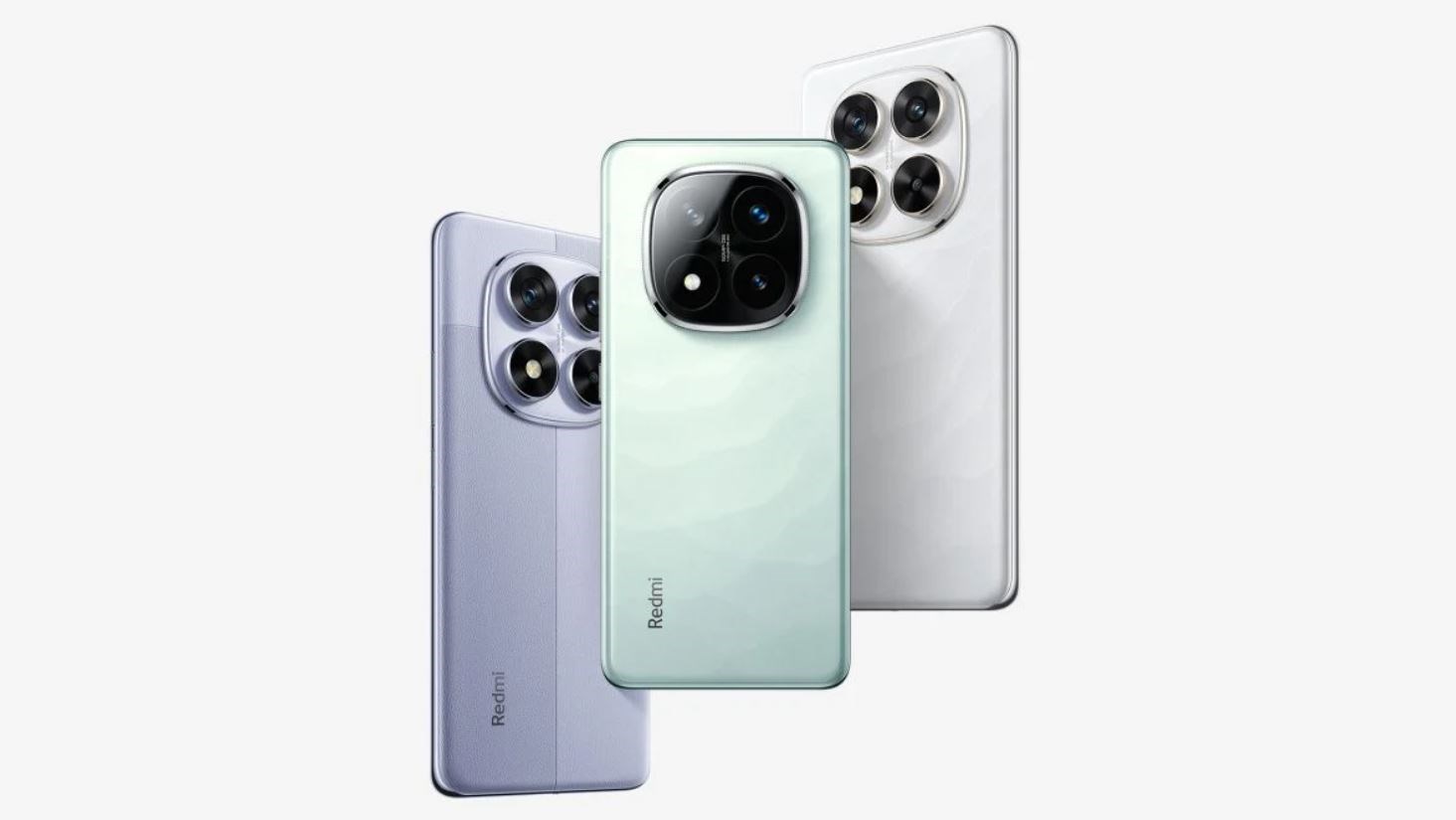
Xiaomi’s Holi Sale Offers Exciting Discounts on Redmi Note 14 5G, Note 13 Series, and More Smartphones

Xiaomi has kicked off its Holi sale with exciting discounts across a wide selection of smartphones, offering customers a chance to snag some of the brand’s popular models at reduced prices. Notable among the discounted devices is the Redmi Note 14 5G, which is now available at a lower price than its original MRP. Alongside this, the Redmi Note 13 series, as well as the Redmi 13C 4G, have also received price cuts. Buyers can maximize their savings further by using additional discount coupons and taking advantage of bank offers, making this a great time to purchase a new Xiaomi phone.

As part of the Holi sale, the Redmi Note 14 5G, which initially launched at a price of Rs. 18,999 for the 6GB + 128GB variant, is now available for Rs. 17,999 after a Rs. 1,000 discount. The same discount applies to other variants of the device, allowing customers to enjoy savings across different configurations. This price cut makes the popular 5G smartphone more accessible to a wider range of consumers, contributing to the appeal of the ongoing sale.

The Redmi Note 13 series has also seen significant price reductions. The flagship Redmi Note 13 Pro+ 5G, which was originally priced at Rs. 31,999, is now available for Rs. 28,999. Similarly, the Redmi Note 13 5G and Redmi Note 13 Pro 5G, initially launched at Rs. 17,999 and Rs. 25,999 respectively, are now priced at Rs. 16,499 and Rs. 22,999. Xiaomi’s aggressive pricing strategy ensures that consumers looking for high-quality smartphones at budget-friendly prices can find attractive options during the sale.

In addition to these discounts, Xiaomi is bundling phones with accessories, offering even better value for customers. For example, the Redmi Note 13 Pro is available in a bundle with the Redmi Buds 5 for Rs. 26,798, while the Redmi Note 13 5G with 12GB of RAM and 256GB of storage comes bundled with the same pair of buds for Rs. 23,798. These bundles make it easy for consumers to get the full Xiaomi experience, combining top-tier smartphones with the brand’s wireless audio accessories at a discounted rate.