
Realme 14 Pro Lite 5G Debuts in India with Snapdragon 7s Gen 2 SoC and 5,200mAh Battery: Price and Features Revealed

The Realme 14 Pro Lite 5G was officially launched in India on Tuesday, expanding the brand’s 14 Pro series lineup. This new smartphone comes with the powerful Snapdragon 7s Gen 2 chipset, which promises improved performance and efficiency. The device is packed with a 5,200mAh battery, offering long-lasting usage, and features a HyperImage+ camera setup. The rear camera includes a 50-megapixel primary sensor, while the front camera boasts a 32-megapixel sensor for high-quality selfies. The Realme 14 Pro Lite 5G showcases an attractive Sunrise Halo design, coupled with a sleek shining frost glass finish, giving it a premium feel. It joins the previously launched Realme 14 Pro 5G and Realme 14 Pro+ 5G models, adding a new option to the company’s diverse portfolio in India.

In terms of pricing, the Realme 14 Pro Lite 5G is available in two variants. The base model, with 8GB of RAM and 128GB of storage, is priced at Rs. 21,999, while the 256GB storage variant is priced at Rs. 23,999. The phone is available in two color options: Glass Gold and Glass Purple. It can be purchased through popular e-commerce platform Flipkart and the official Realme India e-store, providing convenient access for potential buyers.

The Realme 14 Pro Lite 5G impresses with its display as well, featuring a 6.7-inch full-HD+ curved OLED screen. With a resolution of 1,080×2,412 pixels, the display offers vivid visuals and sharp detail. The screen also supports a smooth 120Hz refresh rate and a 240Hz touch sampling rate, ensuring a fluid experience whether you’re gaming or scrolling. Additionally, the display is equipped with a 2,160Hz PWM dimming rate, which reduces eye strain, and can reach a peak brightness of 2,000 nits for better visibility under direct sunlight. The screen is further protected by Corning Gorilla Glass 7i, ensuring durability against scratches and drops.

Under the hood, the Realme 14 Pro Lite 5G is powered by the Snapdragon 7s Gen 2 chipset, paired with 8GB of RAM. The device offers up to 256GB of onboard storage, allowing users ample space for apps, photos, and videos. The smartphone runs on Android 14-based Realme UI 5.0, offering an intuitive and customizable user interface. With its powerful specifications, sleek design, and competitive pricing, the Realme 14 Pro Lite 5G is positioned to cater to users looking for a balanced device in the 5G segment.

Modern Societies Experience Increased Sleep, but with Irregular Patterns

Recent research has cast doubt on the commonly held view that modern, industrialized living leads to chronic sleep deprivation. While issues like excessive screen time and daily stress are often blamed for poor sleep quality, studies suggest that individuals in industrialized societies actually sleep longer than those in less industrialized environments. Despite concerns about modern life’s impact on sleep, data from multiple studies indicate that the average sleep duration in industrialized societies is longer than in their non-industrialized counterparts, challenging assumptions about sleep loss in modern times. However, although people in industrialized nations may get more sleep, their circadian rhythms—our natural sleep-wake cycles—are often more disrupted.

One of the key studies examining these patterns was published in Proceedings of the Royal Society B by anthropologists David Ryan Samson and Leela McKinnon from the University of Toronto Mississauga. Their meta-analysis reviewed 54 global studies on sleep, including data from 866 healthy adults. The findings reveal that, on average, people living in hunter-gatherer societies sleep significantly fewer hours compared to those in industrialized societies. In fact, some hunter-gatherer groups reported sleeping only about 5.5 hours per night, with the general average sleep duration in non-industrialized societies being around 6.4 hours. In contrast, individuals in industrialized countries sleep for more than seven hours per night on average, suggesting that modern life provides more opportunities for sleep, despite other factors at play.

Moreover, the research also points out that sleep efficiency, defined as the proportion of time spent in bed actually sleeping, is higher in industrialized settings. According to the study, 88 percent of the time spent in bed in industrialized societies is used for sleep, compared to just 74 percent in non-industrialized settings. This suggests that, although people in industrialized societies may sleep more, their sleep is generally more efficient. Yet, this improvement in sleep efficiency doesn’t extend to circadian rhythms. The study found that the regularity of sleep-wake cycles, measured by the circadian function index, was less consistent in industrialized environments. Non-industrialized societies had a higher circadian rhythm regularity, with an index score of 0.7, while industrialized societies had a lower score of 0.63, indicating more disruption in sleep patterns.

In conclusion, while modern industrialized societies may offer more sleep opportunities, they also come with disruptions that affect the quality of sleep, particularly in terms of circadian rhythm regularity. This new perspective challenges the longstanding narrative that modern life leads to widespread sleep deprivation, providing a more nuanced understanding of how our sleep patterns are shaped by the environment we live in.

Tesla Reportedly Chooses Mumbai’s BKC for Its First Showroom Ahead of India EV Market Launch

Tesla Finalizes First Showroom Location in Mumbai’s BKC Ahead of India EV Market Debut

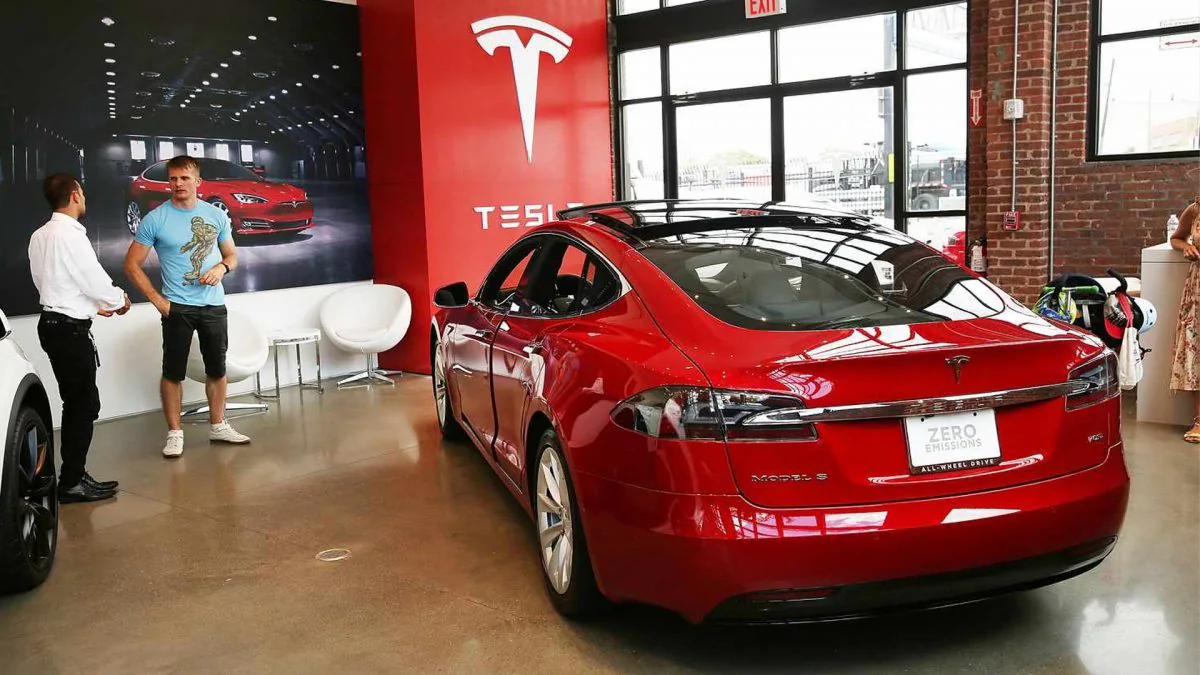
Elon Musk’s Tesla has reportedly secured the location for its first showroom in India, marking a significant step in the company’s long-awaited entry into the country’s electric vehicle (EV) market. The showroom is set to open in the Bandra Kurla Complex (BKC) in Mumbai, a location strategically chosen to kickstart Tesla’s foray into a market that has posed challenges due to regulatory hurdles, high import taxes, and local manufacturing complexities. Tesla’s arrival in India had been delayed for years due to these obstacles, but the company is now poised to bring its electric vehicles to one of the world’s fastest-growing automotive markets.

Details of Tesla’s First Showroom in India

The showroom, according to reports, will occupy a 4,000-square-foot space on the ground floor of a commercial tower in BKC. Tesla has reportedly signed a lease agreement for the property at a rate of approximately Rs. 900 per square foot, amounting to around Rs. 35 lakh per month. The lease term is said to span about five years. Once operational, this showroom will serve as Tesla’s flagship location in India, with future plans to expand to other major cities such as Delhi. The second showroom is expected to be located in Aerocity, Delhi, furthering Tesla’s presence in the country.

Tesla’s India Market Strategy

With the showroom set to open, Tesla’s India launch seems imminent, with initial sales likely to begin in the third quarter of the year. According to reports, Tesla plans to focus on major urban centers initially, including Bengaluru, Delhi, and Mumbai. This strategic approach will help Tesla cater to the growing demand for electric vehicles in the country, where local players like Tata Motors and Mahindra & Mahindra have already made significant strides. At the same time, global competitors such as BYD and MG are also ramping up their operations in India, intensifying the competition in the EV market.

Future Plans and Local Production

Tesla’s first batch of vehicles is expected to arrive at the Mumbai port in the coming months, with the company initially importing EVs from its Berlin plant. However, long-term plans include potentially localizing production in India to better cater to the growing market. This move could help Tesla navigate the country’s high import taxes and provide a more cost-effective pricing strategy, enabling it to offer competitive options against homegrown brands and other international EV manufacturers. Tesla’s entry into the Indian market is seen as a pivotal moment for the country’s automotive industry, marking the beginning of a more significant shift toward sustainable transportation solutions.