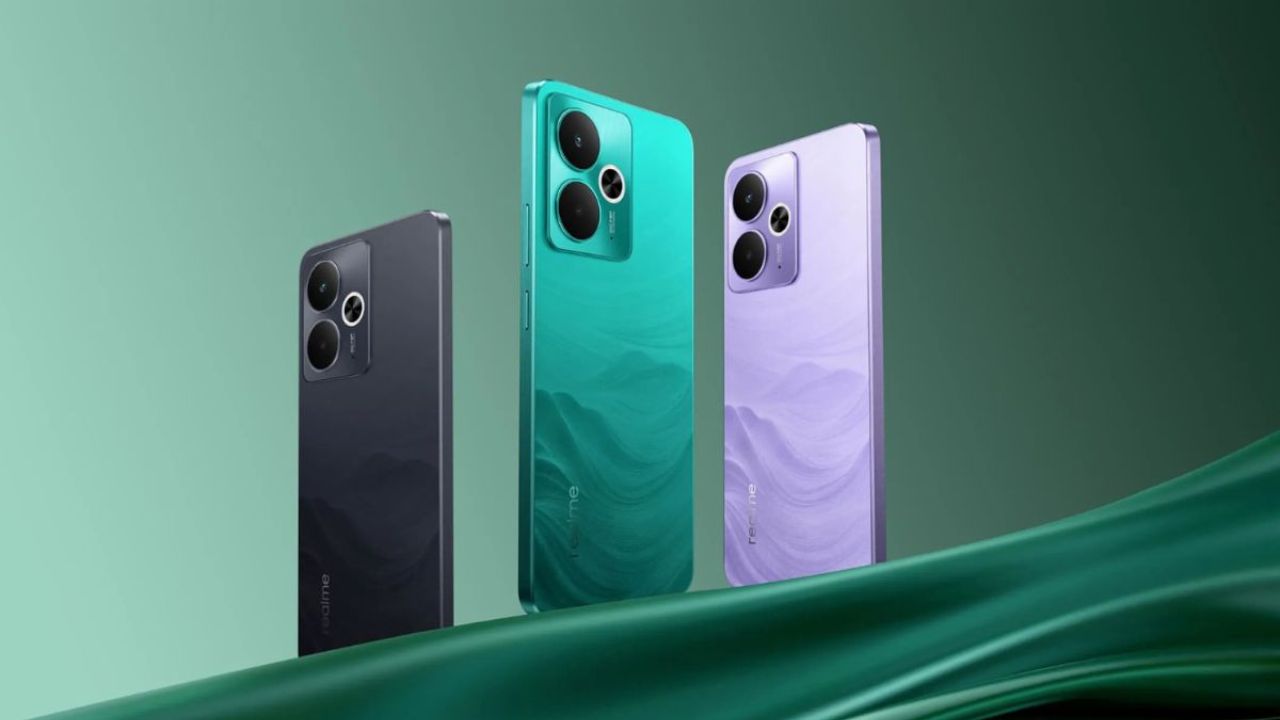
Realme 14T, Expected to Feature 6,000mAh Battery and IP69 Rating

The launch of the Realme 14T in India appears to be on the horizon, with pricing details already making rounds online ahead of an official announcement. While Realme has yet to confirm the launch date, leaks suggest that the upcoming smartphone will offer 8GB of RAM and two storage variants — 128GB and 256GB. Expected to be powered by a MediaTek Dimensity 6300 chipset, the Realme 14T could also boast a large 6,000mAh battery and an IP69-certified build for enhanced water and dust resistance.

According to a report by 91Mobiles, citing anonymous sources, the Realme 14T’s 8GB + 128GB variant is expected to carry a price tag of Rs. 17,999, while the higher 8GB + 256GB model might be priced at Rs. 18,999. An alleged promotional image leaked alongside the pricing details hints at a Rs. 1,000 instant discount on the device. Key features teased in the promo include an AMOLED display with an impressive 2,100 nits peak brightness, a rugged IP69 rating, and the sizeable 6,000mAh battery.

In terms of design and features, the Realme 14T is expected to debut in two color options: mountain green and lightning purple. Early listings, including one spotted on AliExpress, have provided a glimpse of its hardware — a 6.6-inch full-HD+ display with a 120Hz refresh rate, a dual rear camera setup led by a 50-megapixel primary sensor, and a 32-megapixel front-facing camera. The handset is also tipped to support ultra-fast 100W charging, further positioning it as a strong contender in its segment.

Beyond the hardware, the Realme 14T could ship with Android 15-based Realme UI 6.0 out of the box and support modern connectivity features like 5G and NFC. It is rumored to feature an in-display fingerprint sensor for added security. Physically, the device is said to measure 163.1 x 75.6 x 7.9mm and weigh around 196 grams, hinting at a balanced design that pairs a large battery with a relatively slim profile.

Google Tightens Crypto Ad Rules in EU to Meet MiCA Standards

Google is preparing to tighten its cryptocurrency advertising policies in the European Union to comply with the region’s newly enforced MiCA regulations. The Markets in Crypto-Assets (MiCA) framework, which took effect in December 2024, positions the EU as one of the first major jurisdictions to regulate digital assets comprehensively. In response, Google will implement updated advertising rules later this month, aiming to provide clearer guidance around promoting crypto products, which remain volatile and largely unregulated globally.

Under the revised policy, only crypto exchanges and wallet providers registered under MiCA will be permitted to advertise their services through Google’s platforms within the EU. The changes, which were first announced last month, will officially take effect on April 23. The move underscores Google’s efforts to align its operations with emerging regulatory frameworks and to foster a safer advertising environment for users engaging with digital financial products.

The MiCA regulations are designed to streamline crypto operations across the European Economic Area, allowing licensed companies in one member state to offer services throughout the EU, as well as in Iceland, Norway, and Liechtenstein. Google’s updated rules specify that advertisers must be licensed as a Crypto-Asset Service Provider (CASP) by an appropriate national authority and must comply with additional national-level laws where applicable, even if those go beyond MiCA’s core requirements.

In addition to cryptocurrency exchanges and wallets, the stricter policy will also extend to blockchain-based gaming platforms involving non-fungible tokens (NFTs). Advertisers promoting games that allow NFT transactions must similarly hold CASP licenses and adhere to all local regulations. By implementing these changes, Google aims to bolster regulatory compliance while supporting the EU’s broader mission to bring more oversight and security to the fast-evolving digital asset sector.

Apple Leads Smartphone Sales in First Quarter, New Data Reveals

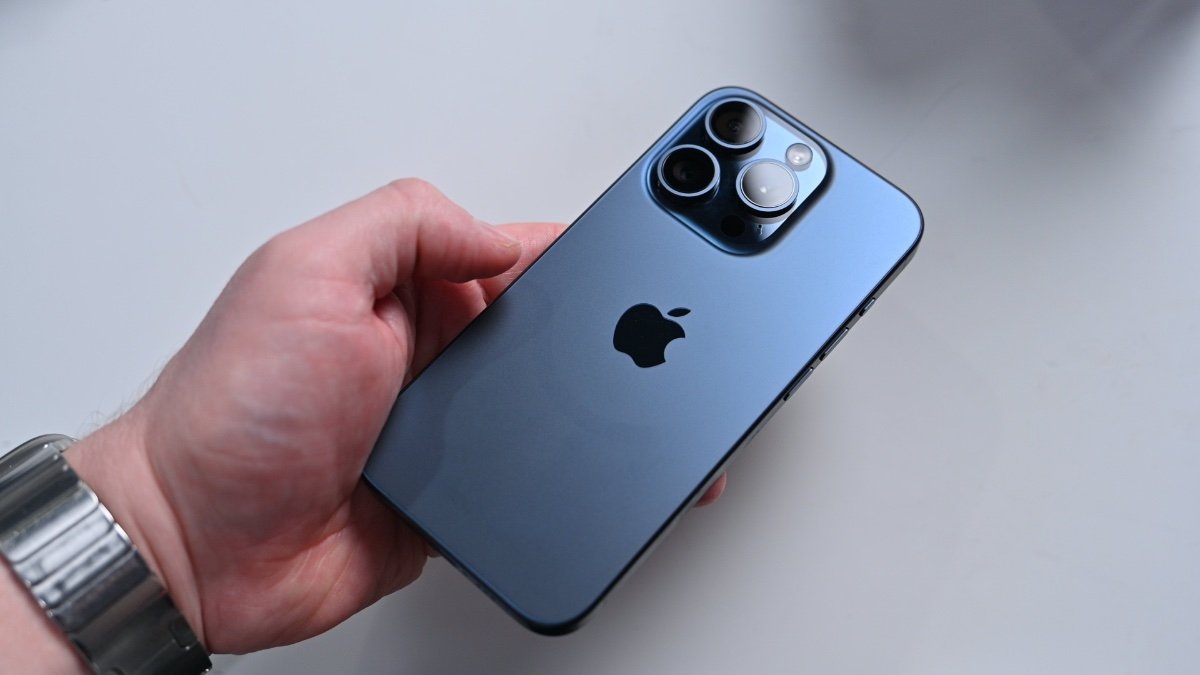
Apple secured the top position in global smartphone sales for the first quarter, powered by the successful launch of the iPhone 16e and growing demand in markets like Japan and India, according to data released by Counterpoint Research on Monday. The company captured 19 percent of the smartphone market, maintaining its lead even as sales in key regions such as the United States, Europe, and China remained flat or declined.

Trailing closely behind, Samsung held an 18 percent share of the global market. Meanwhile, the International Data Corporation (IDC) reported that worldwide smartphone shipments edged up by 1.5 percent in the first quarter. Apple, anticipating potential tariff impacts from US President Donald Trump’s trade policies, had accelerated shipments to the US by organizing chartered cargo flights to ferry up to 1.5 million iPhones from India.

The turbulence in global trade, fueled by Trump’s shifting tariff decisions, has rattled financial markets over the past two weeks, raising fears of a slowing economy and rising inflation. In response to looming tariffs, companies like Apple took swift action to safeguard their supply chains and product availability, a strategy that appeared to pay off during the volatile period.

However, some relief came when Trump announced exemptions for smartphones, computers, and several other electronics from the tariffs on Chinese imports. This move triggered a rally in global tech stocks on Monday. Still, experts, including IDC’s Ryan Reith, cautioned that despite this temporary reprieve, US companies remain heavily dependent on China’s supply chain, leaving them vulnerable to future policy shifts and market disruptions.