
OnePlus Nord CE 5 May Be Released Soon, Expected to Feature a Larger Battery Than the Nord CE 4

The OnePlus Nord CE 5 is expected to be launched soon, and while OnePlus has not officially confirmed any specific details about the upcoming device, various reports have started to reveal some of its key features. One of the major upgrades the Nord CE 5 will likely offer over its predecessor, the OnePlus Nord CE 4, is a significantly larger battery. The Nord CE 4, which was launched in India in April 2024, features a 5,500mAh battery, but the new model is tipped to come with a much larger 7,100mAh battery, providing users with enhanced battery life.

The expected increase in battery capacity suggests that the OnePlus Nord CE 5 could offer one of the best battery performances in its segment, potentially setting a new standard for mid-range smartphones. Although the exact pricing of the Nord CE 5 is yet to be revealed, the price of the Nord CE 4 started at Rs. 24,999 for the 8GB + 128GB variant, so it is likely that the new model will fall within a similar price range. However, the improved battery capacity and other upgrades could make it a more compelling option for users looking for a phone that can last longer on a single charge.

In terms of performance, the OnePlus Nord CE 5 is expected to be powered by either a Snapdragon 7 Gen 4 SoC or a MediaTek Dimensity 8400 chipset, both of which are anticipated to provide solid performance for everyday tasks and gaming. The device will likely support UFS 3.1 storage, which will allow for faster read and write speeds compared to older standards. The Nord CE 4, on the other hand, is equipped with the Snapdragon 7 Gen 3 chipset and 8GB of LPDDR4x RAM, along with up to 256GB of UFS 3.1 storage. With these upgrades, the Nord CE 5 is expected to offer a more powerful and efficient performance.

Although the exact launch date of the OnePlus Nord CE 5 remains unknown, reports suggest that it could be unveiled next month. As the anticipated launch date approaches, more information about the smartphone is expected to surface, providing a clearer picture of its full feature set. Whether you’re a fan of OnePlus devices or just looking for a phone with a larger battery and improved performance, the OnePlus Nord CE 5 is shaping up to be a highly anticipated release in the smartphone market.
iPadOS 19 Expected to Undergo Major Revamp, Enhancing Multitasking and Productivity Features

Apple is reportedly preparing a significant update to iPadOS, the operating system that powers its iPad lineup. According to well-known journalist Mark Gurman, the next version, iPadOS 19, could bring a much-needed overhaul, aligning the iPad experience more closely with macOS. This change is seen as a response to the increasing power of recent iPad models, particularly those equipped with the new M4 chipset. With hardware advancements leaving the software experience lagging behind, Apple seems poised to enhance the multitasking and productivity features of the iPad, potentially transforming it into an even more versatile tool for users.

The overhaul of iPadOS is expected to be a major focus at the upcoming Worldwide Developers Conference (WWDC) 2025, scheduled for June 9. Gurman suggests that the revamp will address the growing demand for improved multitasking, app window management, and productivity tools. iPadOS has long been an extension of iOS, adapted to larger screens, but many users have voiced frustration over its limitations. Apple is said to be responding by making the iPad a more robust platform for professional and power users, with features that are closer to what macOS offers, such as enhanced window management and a more flexible multitasking experience.

This shift could also be part of a broader strategy to unify Apple’s ecosystem. Gurman previously reported that Apple intends to reduce the visual distinctions between its devices, including iPhones, iPads, Macs, and even the Apple Vision Pro. One of the anticipated changes is the introduction of design elements similar to those found in visionOS, the operating system powering Apple’s spatial headset. This could lead to a more cohesive user experience across all of Apple’s devices, providing a consistent feel regardless of the platform being used.

While official details remain sparse, some of the rumored design changes include glass effects throughout the user interface, which would add a touch of sophistication and fluidity to the overall experience. As the lines between Apple’s devices continue to blur, iPadOS 19 could be the bridge that brings the iPad closer to macOS in terms of functionality, while maintaining its distinctive touch interface and portability. If these changes come to fruition, the iPad could become an even more powerful tool for productivity and multitasking, setting it apart from other tablets on the market.

Astronomers Discover Methane in Atmosphere of Nearest T Dwarf Star to Earth

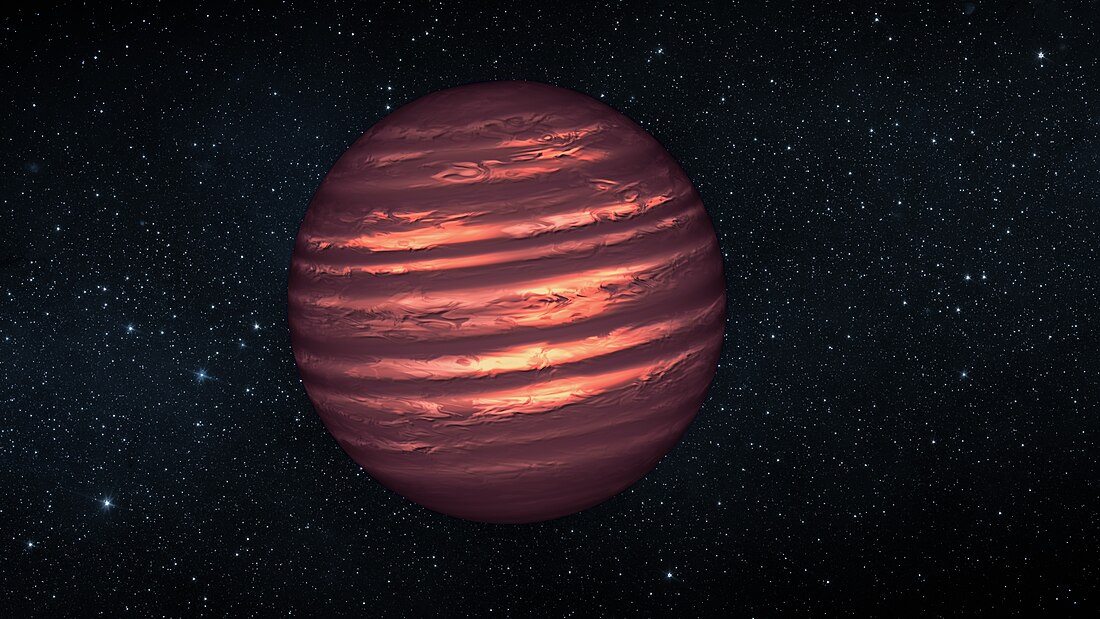
Astronomers have made an intriguing discovery in the atmosphere of WISEA J181006.18 −101000.5, a T dwarf star that holds the title of being the closest of its kind to Earth. Situated 29 light years away, this star has long intrigued scientists due to its peculiar characteristics. The most recent breakthrough came from a study published on March 28, with a revised version appearing on November 17. The research confirmed the presence of methane in the star’s atmosphere, adding another layer to its complex profile. Previously, WISEA J181006 was considered a metal-poor T dwarf, with an effective temperature range between 800–1,300 K.

This methane discovery has caught astronomers off guard, as it reshapes the classification of the star. The presence of methane was made possible through observations from the 10.4-meter Gran Telescopio Canarias (GTC), which provided the critical data. The detection of methane in the atmosphere strengthens the star’s classification as a T-type dwarf, overturning earlier suggestions that it might belong to the L-type category. The study also found that there were no detectable traces of carbon monoxide or potassium in the atmosphere of WISE1810, offering further clues about its composition.

In terms of chemical makeup, the research suggests that the carbon abundance in the star’s atmosphere is estimated to be -1.5 dex. The effective temperature is speculated to be around 1,000 K, but the star’s low metallicity might be a key factor in these readings. The absence of atomic potassium, a telltale sign of metallicity, points toward a lack of heavier elements. The study also considers how a lower temperature could potentially amplify this effect, making the star’s composition even more unusual. These findings mark a significant step forward in our understanding of T dwarfs and their atmospheric conditions.

Another interesting element in the study is WISE1810’s heliocentric velocity, recorded at -83 km/s. This gives insight into the star’s motion within the galaxy, which could be an essential piece in understanding its origin. Despite its low metallicity, the findings suggest that WISEA J181006 might be associated with the Milky Way’s thick disk, a region known for its older stars. Previous observations had hinted that the star’s atmosphere was primarily composed of hydrogen and water vapor, but the discovery of methane introduces a new dimension to its atmospheric chemistry. This breakthrough could ultimately help astronomers refine the criteria for classifying T dwarfs and offer fresh perspectives on the nature of distant celestial objects.