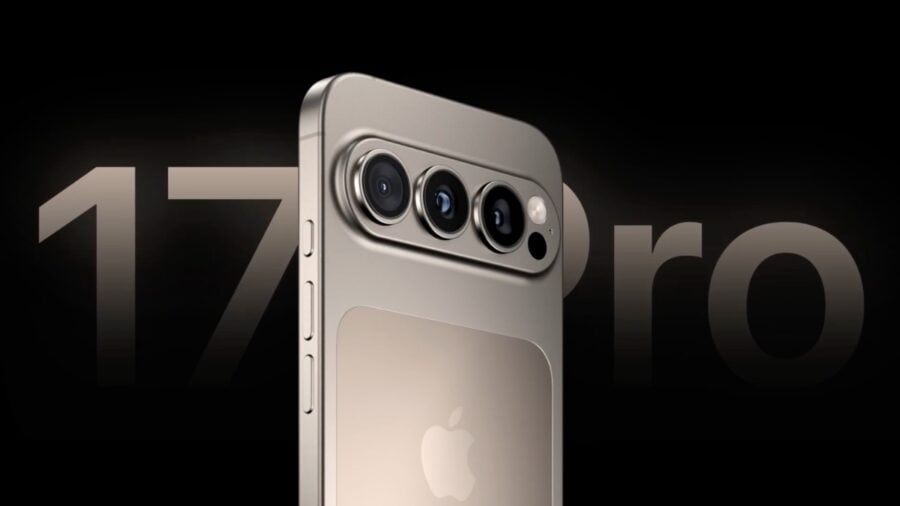
iPhone 17 Pro and iPhone 17 Pro Max Glass-Aluminium Rear Panel Design Leaked via Dummy Units

The iPhone 17 series, which is expected to launch later this year, has been the subject of much speculation, especially regarding design changes. New images of dummy units have provided a glimpse into what could be the rear panel design for the upcoming iPhone 17 Pro and iPhone 17 Pro Max. These dummy units show a clear departure from the current iPhone 16 models, with significant updates to the rear camera module and a new glass-aluminium rear panel combination. Notably, while the regular iPhone 17 may not see many design changes, the Pro models appear to be in for a major upgrade.

According to the latest leaks, the iPhone 17 Pro and iPhone 17 Pro Max will both feature a larger camera module compared to their predecessors. The rear panels of these devices will be constructed from a combination of glass and metal, with a unique design where the glass covers the lower half of the phone, including the MagSafe area. The metal component will encase the rest of the device, including the new, more prominent camera island. This dual-material construction is expected to enhance the overall durability and aesthetics of the phone, providing a more premium feel than earlier models.

The design overhaul is not just cosmetic; it also suggests a practical approach to handling the increasingly large camera sensors and modules that Apple is known to incorporate in their Pro models. The enlarged camera island on the iPhone 17 Pro and iPhone 17 Pro Max could be indicative of Apple’s continued focus on improving photographic capabilities, especially with features like larger sensors and enhanced zoom functionalities. The new design may also help in better heat dissipation and provide a sturdier structure to handle the more advanced camera hardware.

While the changes to the Pro models are significant, the regular iPhone 17 will reportedly retain a similar design to its predecessor, with only incremental upgrades. Additionally, rumors suggest that the iPhone 16 Plus might be replaced by a new iPhone 17 Air model, marking a shift in Apple’s naming conventions. As the launch of the iPhone 17 series approaches, these leaks only build anticipation for what Apple has in store for its flagship devices.
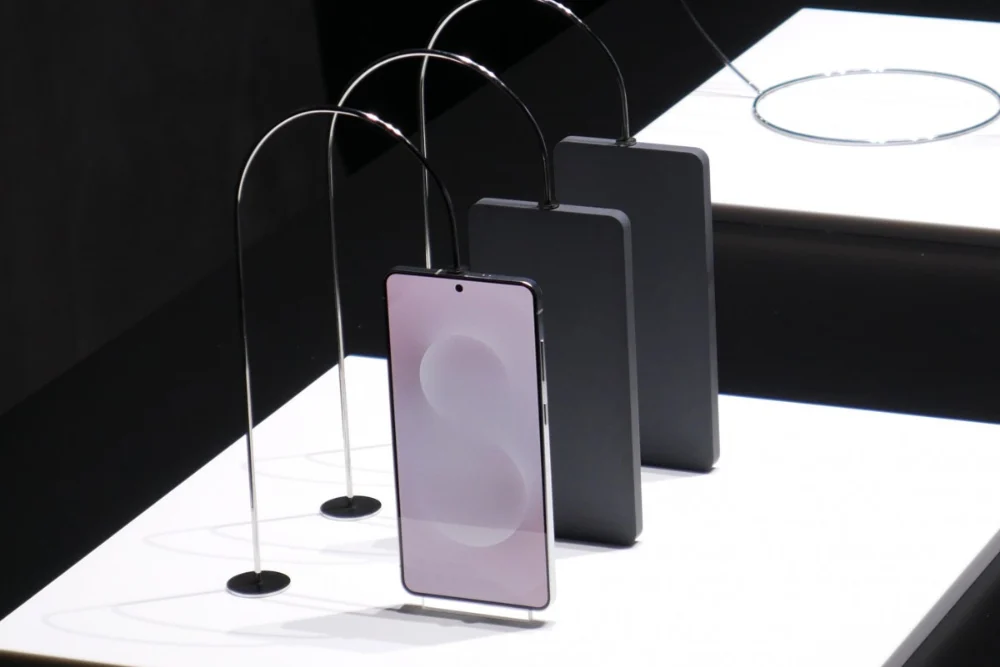
Samsung Galaxy S25 Edge and Galaxy Tab S10 FE Appear on Geekbench Before Official Launch

The Samsung Galaxy S25 Edge and Galaxy Tab S10 FE have both appeared on Geekbench, hinting at their upcoming launches and giving tech enthusiasts a closer look at their performance ahead of their official debut. These devices are expected to be key players in Samsung’s lineup, with the Galaxy S25 Edge set to be part of the highly anticipated Galaxy S25 series, while the Galaxy Tab S10 FE will serve as a more affordable tablet option. The Galaxy S25 Edge is expected to come with Qualcomm’s custom Snapdragon 8 Elite for Galaxy chip, offering high-end performance, while the Galaxy Tab S10 FE is expected to feature Samsung’s Exynos 1580 chipset.

The benchmark results for the Galaxy S25 Edge show promising performance, reflecting the device’s position as a flagship model. The smartphone scored 2,969 points in the single-core test and 9,486 points in the multi-core test. These scores indicate a performance level comparable to that of the standard Galaxy S25 model. The benchmark results also confirm that the Galaxy S25 Edge will be powered by the Snapdragon 8 Elite chip, with 12GB of RAM, further reinforcing the device’s high-end specifications. The motherboard’s codename, “sun,” aligns with the Galaxy S25 series, cementing the smartphone’s place within the new flagship lineup.

In contrast, the Galaxy Tab S10 FE’s benchmark results show a less impressive performance when compared to the S25 Edge, though it’s important to note that the tablet was benchmarked using Geekbench 5, an older version of the testing platform. The tablet scored 1,015 points in the single-core test and 3,540 points in the multi-core test, which is relatively modest, especially considering the newer Geekbench 6 was used for the Galaxy S25 Edge tests. Despite these lower scores, the Galaxy Tab S10 FE is expected to appeal to users looking for a more budget-friendly alternative to Samsung’s higher-end tablets.

The Exynos 1580 chipset powering the Galaxy Tab S10 FE is the same processor used in the recently launched Samsung Galaxy A56, suggesting that the tablet will cater to users seeking solid performance without the premium price tag. While the performance results for the Tab S10 FE may not be groundbreaking, the device is likely to offer a balanced experience for users who prioritize affordability over top-tier specs. With both the Galaxy S25 Edge and the Galaxy Tab S10 FE making their presence felt on Geekbench, it’s clear that Samsung is gearing up for another competitive release season in the mobile and tablet markets.

Tencent Unveils T1 Reasoning Model Amidst Intensifying AI Race in China

Tencent has officially launched the T1 reasoning model, marking a significant step in the rapidly growing artificial intelligence sector in China. This move intensifies the competition as several local tech companies, including DeepSeek, are increasingly developing advanced AI models to challenge Western technologies. The T1 reasoning model, now upgraded, aims to offer faster response times and improved handling of long and complex text documents, addressing one of the key challenges in AI language processing.

According to Tencent’s official announcement on WeChat, the T1 model stands out for its ability to maintain clear and coherent logic while ensuring that the text remains neat and easily understandable. The model’s developers also claim that the hallucination rate—where AI models generate inaccurate or fabricated information—is extremely low. This focus on accuracy and reliability comes at a time when competition in China’s AI market has reached new heights, with companies striving to produce models that deliver superior performance at lower costs than their Western counterparts.

Tencent had previously made the T1 model available in a preview version through its AI assistant application, Yuanbao. However, the official launch now integrates the model with Tencent’s Turbo S foundational language model, which the company unveiled in late February. Turbo S is designed to process queries at an even faster rate than its closest competitor, DeepSeek’s R1 model, which has garnered attention for its own impressive performance. In a comparison chart published by Tencent, the T1 model outperformed DeepSeek R1 on various knowledge and reasoning benchmarks, signaling Tencent’s competitive edge in certain areas of AI technology.

As the race for dominance in China’s AI landscape intensifies, the launch of Tencent’s T1 reasoning model highlights the country’s growing capabilities in artificial intelligence. The move positions Tencent alongside other tech giants aiming to lead in the AI sector by developing more efficient, cost-effective solutions that challenge the West. With the official release, Tencent is positioning itself as a key player in the future of AI-driven technology, both within China and on the global stage.