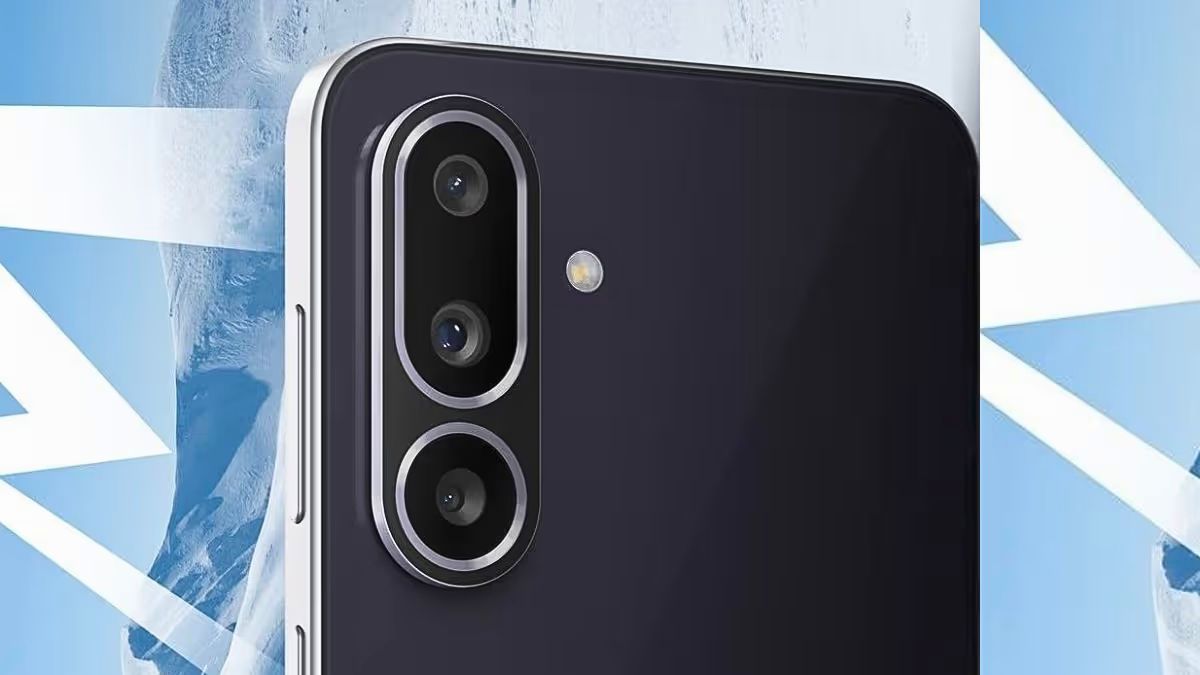
Samsung Galaxy M56 5G Launched with 50MP Camera and 7.2mm Slim Design: Price and Features Revealed

Samsung has officially launched the Galaxy M56 5G in India, bringing a range of upgrades compared to its predecessor, the Galaxy M55 5G. The new model boasts an impressively slim design, measuring just 7.2mm in thickness, making it 30% thinner than the M55’s 7.8mm profile. Samsung has also refined the bezels, making them 36% slimmer, and enhanced the display, which is now 33% brighter than the previous model. These improvements contribute to a more modern and sleek look while maintaining the device’s performance and functionality.

The Galaxy M56 5G will be available in two storage variants: 8GB + 128GB, priced at Rs. 27,999, and 8GB + 256GB, priced at Rs. 30,999. It will be available for purchase starting April 23 on both Amazon and Samsung’s official website. Additionally, HDFC Bank cardholders can avail an instant discount of Rs. 3,000, making it an attractive option for those looking to upgrade their smartphones. The device is available in two color options, Black and Light Green, catering to a variety of style preferences.

In terms of features, the Galaxy M56 5G is equipped with a 6.73-inch full-HD+ sAMOLED+ display, offering a 120Hz refresh rate for smoother scrolling and gaming. It also comes with Vision Booster support for enhanced visibility in bright environments. Under the hood, the phone is powered by the Exynos 1480 chipset, paired with 8GB of LPDDR5X RAM and up to 256GB of UFS 3.1 storage, ensuring fast performance and ample storage space for apps, media, and more. The phone runs on Android 15 with the One UI 7 skin, and users can expect six years of major OS updates and security patches, ensuring long-term software support.

The camera setup on the Galaxy M56 5G is designed to deliver high-quality imaging. The triple rear camera system features a 50-megapixel primary sensor with optical image stabilization (OIS) for sharp and stable shots, an 8-megapixel ultra-wide lens for expansive shots, and a 2-megapixel macro camera for close-up details. On the front, the 12-megapixel selfie camera supports HDR video, making it a solid choice for selfies and video calls. AI imaging features like object eraser, image clipper, and edit suggestions further enhance the camera experience, making it easy for users to capture and edit photos with professional-level results.

Honor 400 and Honor 400 Pro Leaked with Snapdragon Chipset and 5,300mAh Battery

The Honor 400 and Honor 400 Pro are set to be the successors to last year’s Honor 300 series, and ahead of their official release, several details about the devices have leaked online. According to sources, the two smartphones will come with significant upgrades, including advanced chipsets and impressive camera capabilities. The Honor 400 is expected to feature the Snapdragon 7 Gen 3 chipset, while the Honor 400 Pro will be powered by the more powerful Snapdragon 8 Gen 3. Both models are rumored to include a 200-megapixel primary rear camera and a large 5,300mAh battery.

Leaked renders, shared by 91mobiles in collaboration with tipster Sudhanshu Ambhore, give us a closer look at the design of the Honor 400 and Honor 400 Pro. The standard Honor 400 is expected to have a flat-edged design with a hole-punch display, slim bezels, and a dual rear camera setup. The phone will be available in shades of gold and black. On the other hand, the Honor 400 Pro will have a more premium design with a quad-curved display and a pill-shaped cutout for the front camera. The Pro model is shown with a triple rear camera setup and will come in grey and black color options.

In terms of specifications, both the Honor 400 and 400 Pro are expected to run on the Android 15-based MagicOS 9.0 custom skin. They will feature a 50-megapixel front-facing camera and a 5,300mAh battery, which should offer impressive longevity. Other common features include dual SIM support, stereo speakers, NFC connectivity, and an in-display fingerprint sensor. Additionally, both models are rumored to have an SGS five-star drop resistance build, ensuring durability. The Honor 400 will likely sport a 6.55-inch AMOLED display with a 120Hz refresh rate and 5,000 nits peak brightness, while the Honor 400 Pro will feature a slightly larger 6.7-inch AMOLED display with the same 120Hz refresh rate and peak brightness.

The camera setups are one of the most exciting features of these smartphones. The Honor 400 is tipped to come with a dual rear camera unit, including a 200-megapixel primary sensor with OIS and a 12-megapixel ultra-wide-angle lens. In comparison, the Honor 400 Pro will boast a more advanced triple-camera setup, including the same 200-megapixel primary sensor but with additional lenses, such as a 50-megapixel telephoto sensor and a 12-megapixel ultra-wide-angle camera. Fast charging capabilities are another standout feature, with the Honor 400 supporting 66W wired fast charging and the Honor 400 Pro offering a more powerful 100W fast charging solution. Additionally, the Pro model is expected to have an IP68 + IP69 rating for water and dust resistance, making it more rugged and ready for tough environments.

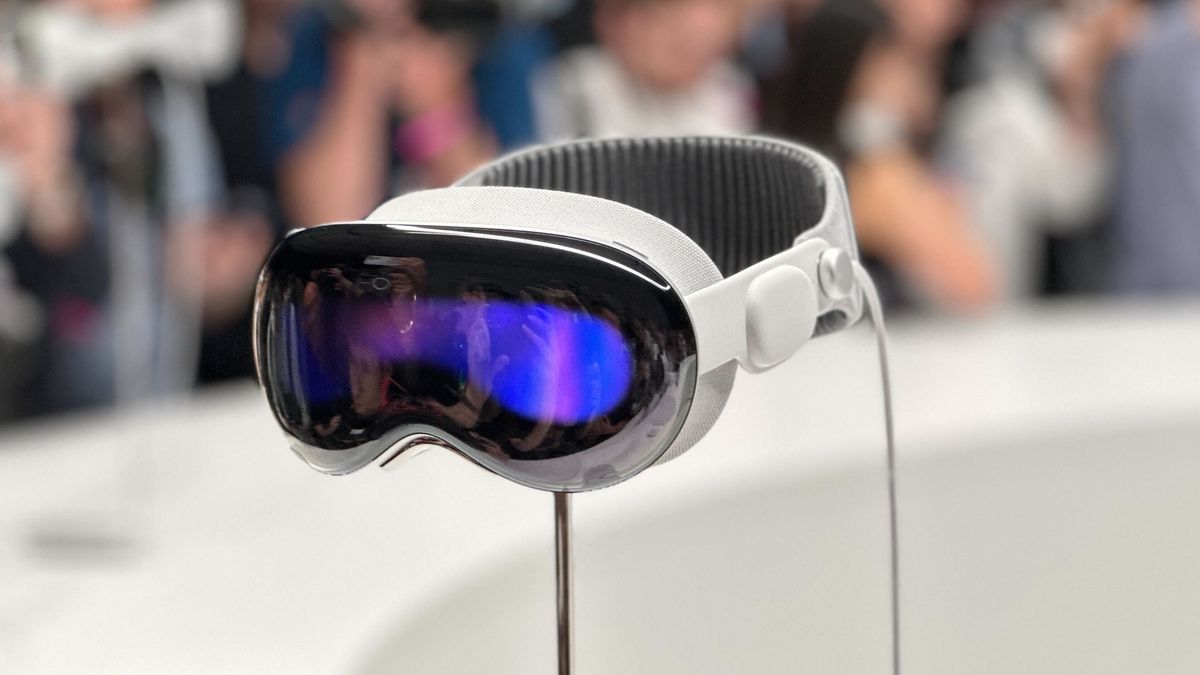
Apple Vision Air May Launch as a Lightweight and Slim Mixed Reality Headset, Says Tipster

Apple is reportedly working on a new, thinner addition to its Vision mixed reality headset lineup, with a focus on reducing weight and improving comfort. According to tipster Kosutami (@Kosutami_Ito), this new model could be called the Apple Vision Air, and it is expected to be slimmer and lighter than the original Vision Pro. Unlike the Vision Pro, which uses a mix of aluminum and other materials, the Vision Air might feature a combination of titanium for internal components and aluminum for the outer structure. This choice of materials is said to help reduce the overall weight of the headset while maintaining durability and performance.

The Apple Vision Air is expected to be a more affordable and lightweight alternative to the Vision Pro, which was first unveiled in 2023. The Vision Pro, although impressive in its mixed reality capabilities, weighs around 650g, not including the external battery pack, making it relatively heavy for extended use. Apple’s Vision Air could address this issue by offering a more comfortable experience, with the reduced weight possibly making it a better option for daily use. Additionally, the Vision Air may feature a new Graphite/Dark Blue colorway, similar to the one that debuted with the iPhone 5 series, offering a fresh design that sets it apart from the white/off-white aesthetic of the Vision Pro.

The Vision Air is expected to carry Apple’s “Air” branding, suggesting that it will be marketed as a lighter, more accessible version of the Vision Pro, rather than a direct successor. The new headset could be designed to appeal to a broader audience, including those who find the Vision Pro’s price tag and weight a bit overwhelming. As part of this shift, Apple might introduce the Vision Air at a more competitive price point, catering to consumers who are looking for a premium mixed reality experience without the premium price.

This development is not the first indication that Apple is working on a lighter version of its Vision headset. Earlier reports, including those from Bloomberg’s Mark Gurman, pointed to a cheaper and lighter variant of the Vision Pro being in the works. These reports also suggested that Apple is seeking to improve the device’s ergonomics and make mixed reality more accessible. With a potentially slimmer profile and an emphasis on weight reduction, the Vision Air could be the next big step for Apple in the mixed reality space, offering a device that is both powerful and practical for everyday use.