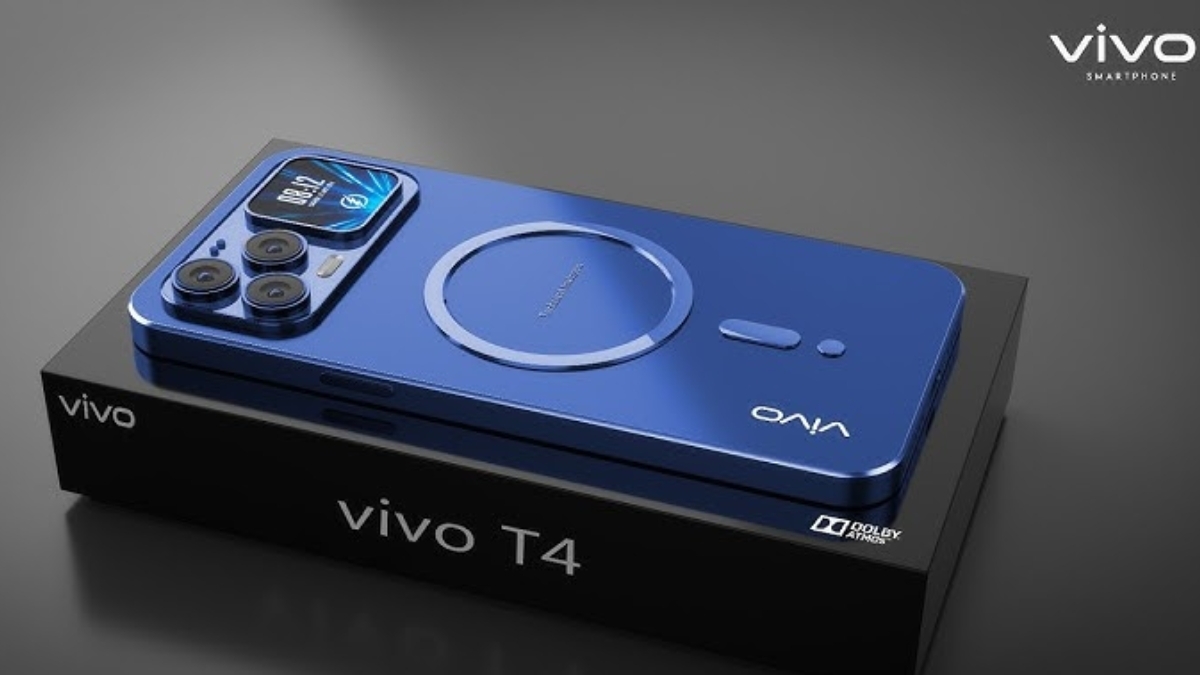
Vivo T4 5G to Feature 7,300mAh Battery and Bypass Charging Support

Vivo is preparing to launch the Vivo T4 5G in India, with the official unveiling. Ahead of its release, the company has shared important details regarding the phone’s battery, charging capabilities, and design. The Vivo T4 5G is expected to be a powerhouse in terms of battery life, featuring a massive 7,300mAh battery, one of the largest in its segment. In addition to the powerful battery, the phone will support innovative charging technologies, making it a competitive option in the mid-range 5G market. Vivo also teased that the T4 5G will come with a quad-curved display and a Snapdragon chipset, enhancing both the phone’s performance and visual appeal.

The 7,300mAh battery in the Vivo T4 5G is a standout feature, with Vivo highlighting its advancements in battery technology. The phone will utilize BlueVolt battery anode materials combined with third-generation silicon, which the company claims improves energy density by 15.7% over previous models. Additionally, the battery will incorporate Carbon Nanotube conduction, Electrode Reshaping, and Nano Cage Structure technologies. These features are designed to extend battery health over time, ensuring the device remains efficient and long-lasting despite frequent charging.

In terms of charging, the Vivo T4 5G will support 90W wired FlashCharge, enabling rapid charging speeds for users who are always on the go. It will also offer reverse and bypass charging, with bypass charging allowing the device to bypass the battery and run directly off the charger. Vivo claims that the T4 5G will be the slimmest smartphone in India with a 7,300mAh battery, measuring just 7.89mm in thickness and weighing 199g. The phone will be available in multiple colors, including the Emerald Blaze edition and a more subtle Phantom Grey shade.

The Vivo T4 5G is expected to offer a 6.67-inch full-HD+ AMOLED display with a 120Hz refresh rate, ensuring smooth scrolling and immersive visuals. It will also feature up to 5,000 nits of local peak brightness for excellent visibility in bright outdoor environments. Powered by the Snapdragon 7s Gen 3 SoC, the T4 5G is expected to offer smooth performance and efficient multitasking. The device will likely run Android 15-based Funtouch OS 15 and include features like an in-display fingerprint sensor and an IR blaster. For photography, the Vivo T4 5G is rumored to include a 50-megapixel Sony IMX882 main sensor with Optical Image Stabilization (OIS), a 2-megapixel sensor, and a 32-megapixel front camera for high-quality selfies. Leaked details suggest that the phone will come in RAM and storage configurations of 8GB + 128GB, 8GB + 256GB, and 12GB + 256GB, with a price range between Rs. 20,000 and Rs. 25,000.
Samsung Delays One UI 7 Update for Certain Galaxy Phones, Now Expected in May or Later

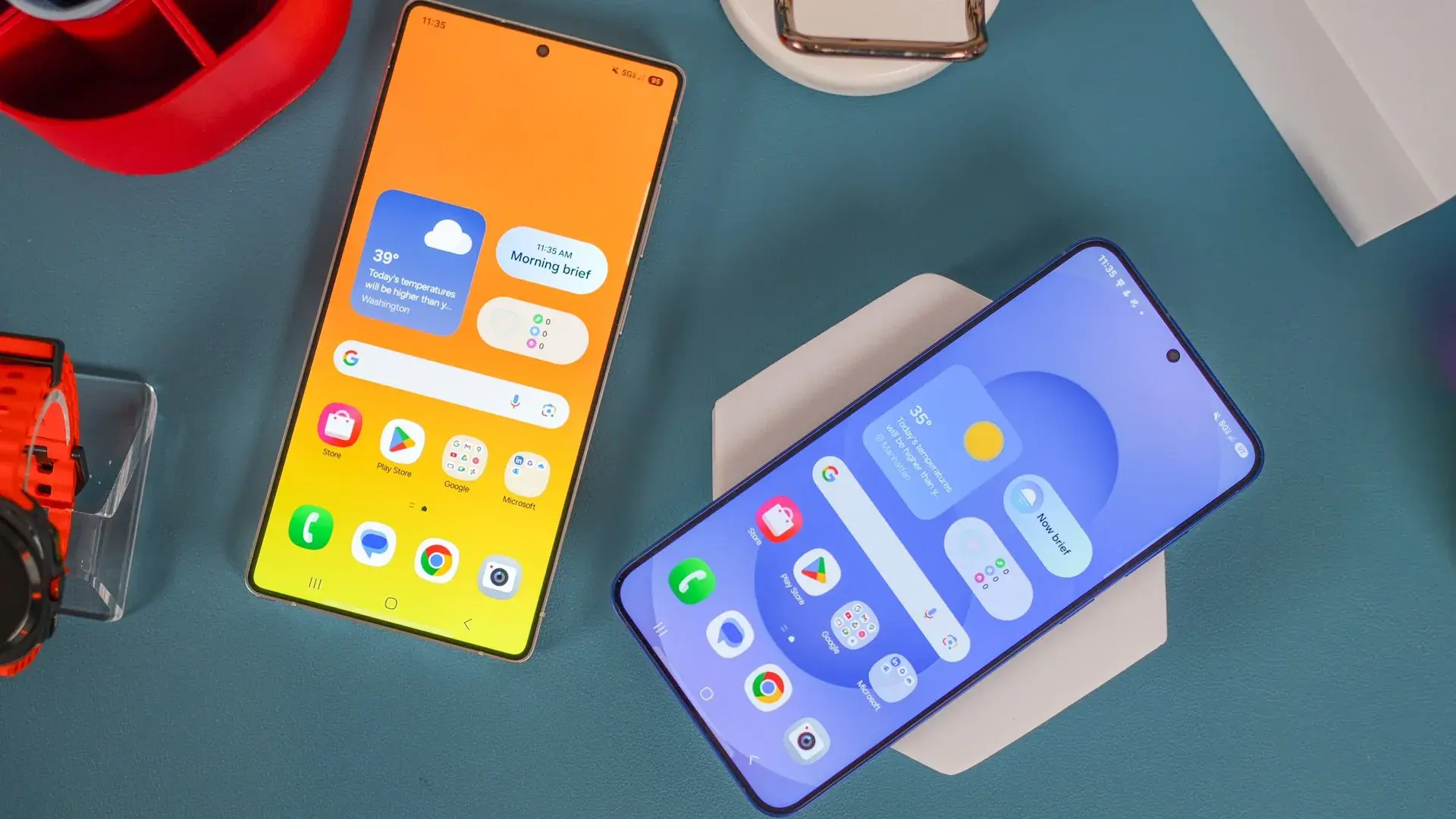
Samsung’s rollout of the One UI 7 update for its devices has reportedly been delayed, with the update now expected to reach several Galaxy smartphones and tablets later than initially planned. After Samsung began rolling out the update in South Korea, the global release timeline for the Android 15-based OS has surfaced through claims made on social media. According to these reports, the update for devices like the Galaxy S23 series will likely be pushed back to May 2025, while some tablets, such as the Galaxy Tab S9 series, may not see the update until June or July.

The information came to light through a Reddit post by @The_TAM, who claims to have found the release schedule for One UI 7 within the Samsung Members app. A screenshot from the app’s notice section suggests that, despite the delays, the Galaxy S24 series, along with the Galaxy Z Fold 6 and Z Flip 6, are still expected to receive the update in April. This aligns with previous reports that highlighted the S24 series as a priority for the initial rollout.

However, for other devices, the wait will be longer. The Galaxy S23 series, Galaxy Tab S10 series, Galaxy Z Fold 5, and Galaxy Z Flip 5 are now slated for the update in May, with some models potentially receiving the update later. This delay also affects several popular mid-range and budget devices. According to the social media post, the Galaxy Tab S9 FE series, Galaxy A35 5G, Galaxy A55 5G, and several others in the Galaxy A, F, and M series might have to wait until June before the update arrives.

As Samsung adjusts its timeline for One UI 7, users of affected devices will need to be patient. While some flagship models will receive the update on schedule, many mid-tier and older devices will face delays. Samsung has yet to provide official confirmation on these revised dates, but the information from the Samsung Members app suggests that May and even June 2025 will be key months for One UI 7’s broader distribution across the Galaxy lineup.

Apple Releases iOS 18.4.1 Update Addressing Security Vulnerabilities and CarPlay Bug

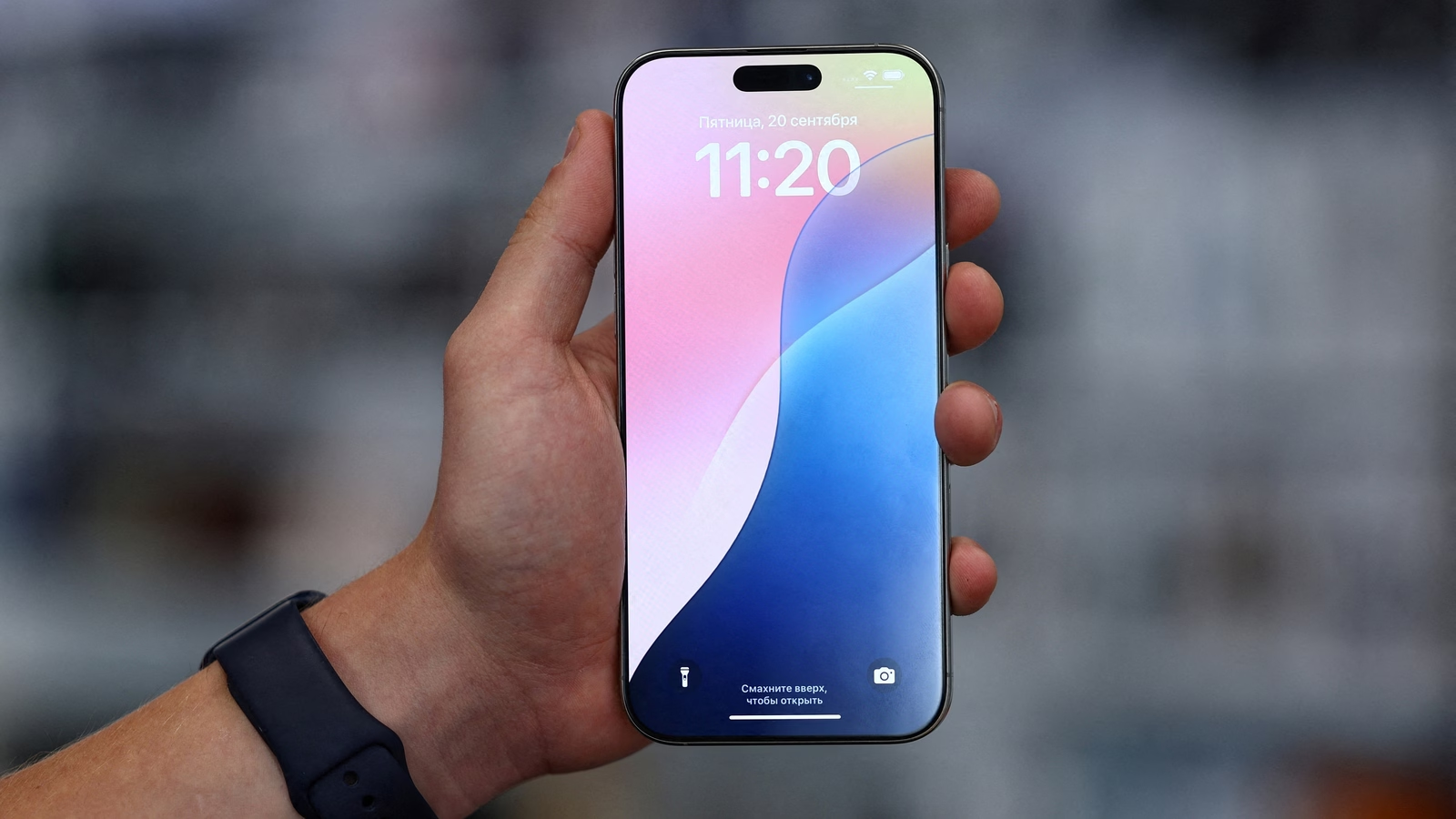
Apple released the iOS 18.4.1 update for iPhones, a crucial update that addresses important security flaws without introducing any new features. While this update may not be a major feature release, it’s a critical one for users to install. The iOS 18.4.1 update includes patches for security vulnerabilities that had been actively exploited to carry out attacks on iOS users. Additionally, the update fixes an issue related to wireless CarPlay connectivity in some vehicles, improving the overall user experience for iPhone owners using this feature.

The first major security issue addressed in iOS 18.4.1 affects CoreAudio, a fundamental API in iOS and iPadOS that handles audio processing. Identified as CVE-2025-31200, the flaw was discovered by both Apple and the Google Threat Analysis Group. The vulnerability allowed for code execution through a maliciously crafted audio file, leading to potential system compromise. Apple fixed the issue by improving bounds checking, ensuring better memory handling and preventing exploitation through such attacks.

Another important vulnerability addressed in this update was found in the Remote Participant Audio Control (RPAC) framework, which is responsible for managing audio streams. This vulnerability, labeled CVE-2025-31201, allowed an attacker to bypass Pointer Authentication and potentially gain arbitrary read and write access to system memory. Apple resolved this flaw by removing the insecure code from the framework, thus preventing further exploitation. Although both of these vulnerabilities were serious, Apple acknowledged that they were primarily exploited in highly targeted attacks against specific individuals, rather than being widespread threats.

Along with these critical security fixes, the iOS 18.4.1 update also resolves a bug that prevented wireless CarPlay connections in certain vehicles. This issue had affected users who rely on CarPlay for seamless integration between their iPhones and car infotainment systems. With the fix now in place, iPhone users with compatible vehicles should experience a smoother, more reliable CarPlay connection. Apple encourages all eligible users to update their devices promptly to ensure the best security and functionality.