
Star Wars: Knights of the Old Republic Remake Remains in Development, Says Saber CEO

The much-anticipated Star Wars: Knights of the Old Republic (KOTOR) remake is reportedly still in development, according to Saber Interactive. First announced for the PlayStation 5 in 2021, the remake project has faced several challenges, including a studio change and an indefinite delay. Despite these setbacks, Saber Interactive reaffirmed last year that the game remained in the works. After months of silence, the developer has provided a glimmer of hope regarding the future of the beloved RPG.

CEO Matt Karch of Saber Interactive recently confirmed that the KOTOR remake is still progressing. However, he offered little additional information, leaving fans to speculate on the timeline for its release. As of now, there’s no official word on when players can expect the game to launch, but the statement has provided some reassurance that the remake has not been abandoned.

Saber’s Chief Creative Officer, Tim Willits, also weighed in on the situation, adding to the optimism surrounding the project. In a recent post on X (formerly Twitter), Willits indicated that the remake was still very much alive. He noted that Saber is working on a variety of games across different genres, and emphasized that they would only share updates when there’s something significant to announce. This aligns with earlier remarks from Karch, who stated that the project remains a priority for the team.

Back in April 2024, Karch assured fans that the KOTOR remake was “alive and well,” despite Saber Interactive’s separation from the Embracer Group. With the studio’s continued focus on delivering a quality product, Karch highlighted the team’s commitment to exceeding player expectations. While the wait continues, this update is a reminder that the project is far from forgotten, and Saber is determined to bring the iconic Star Wars RPG back to life in a way that will meet the high hopes of its fanbase.

Apple Said to Be Working on Two Prototype Models for Second-Generation Studio Display

Apple is reportedly working on multiple prototypes for its second-generation Studio Display, as it prepares to update its external monitor lineup. The original Studio Display was released nearly three years ago, and given the typical product refresh cycle, a successor could be expected either later this year or early next. According to veteran journalist Mark Gurman, the company is currently testing two distinct prototypes, with Apple potentially choosing one of them for its new Studio Display or offering both, each catering to different customer preferences in terms of size or features.

In his latest Power On newsletter, Gurman discussed Apple’s intentions to replace the current Studio Display with an upgraded model. While earlier reports hinted at a product identified by the model number J427, Gurman revealed that another monitor, under the model number J527, is also in the works. This could indicate that Apple is exploring various possibilities, and rather than choosing just one prototype, it may opt to offer both models, possibly with differing screen sizes or specifications.

If this turns out to be true, Apple’s strategy could provide customers with more flexibility when selecting a compatible monitor for their desktop Macs, such as the Mac mini, Mac Pro, and Mac Studio. By offering two variations of the second-generation Studio Display, Apple could cater to a broader range of user needs, whether they prioritize screen real estate or particular technical specifications. This would mark a departure from the current approach, where only a single model — a 27-inch 5K Retina display — is available, offering 600 nits of peak brightness.

As the company continues to refine its offerings, the Studio Display refresh is likely to be a significant update in the growing ecosystem of Apple’s desktop monitors. If Apple follows through on this dual-prototype strategy, it could give consumers more options and enhance the user experience, especially for those who need a professional-grade display for demanding tasks or want something more compact for their workspace.

OpenAI and Elon Musk Agree to Expedite Trial Regarding For-Profit Transition

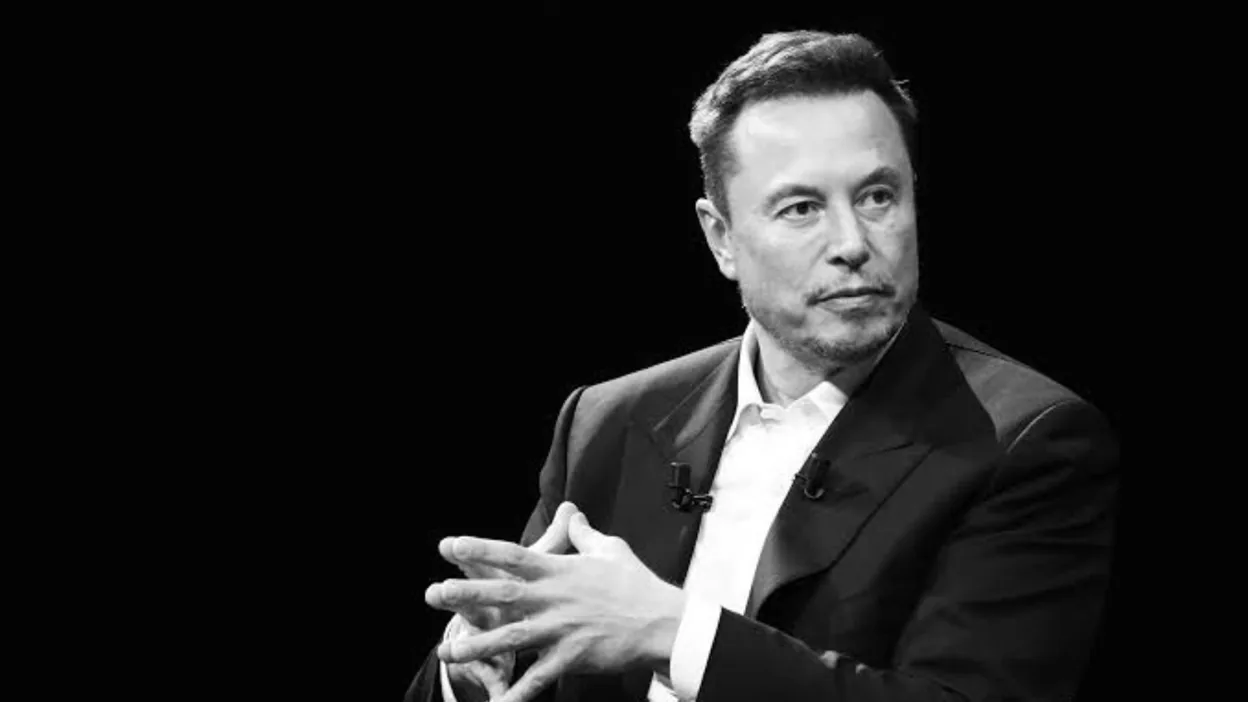
OpenAI and Elon Musk have agreed to accelerate the legal proceedings regarding OpenAI’s transition to a for-profit entity, marking the latest chapter in the public legal battle between Musk and OpenAI’s CEO, Sam Altman. The dispute, which has drawn significant attention, stems from Musk’s concerns over OpenAI’s shift from its original nonprofit model. The two parties, seeking a swift resolution, proposed fast-tracking the trial in a December filing, as revealed in a recent court document.

The trial’s progress took a key step this week when both OpenAI and Musk agreed to delay a decision about whether the case would be decided by a jury or a judge. This agreement comes after a judge ruled earlier this month, denying Musk’s attempt to pause OpenAI’s for-profit transition. However, the judge did agree to expedite the trial, which is now set to take place in the autumn of this year, intensifying the ongoing legal confrontation.

In response to the decision, OpenAI issued a statement welcoming the court’s March 4 ruling, which rejected Musk’s request to delay the transition. The company emphasized that it viewed the decision as a significant win, countering Musk’s efforts to slow down the shift for what they perceived as his personal gain. The statement further reflected OpenAI’s stance that it is committed to continuing its transition toward a more sustainable, for-profit model while pursuing its mission.

Elon Musk’s relationship with OpenAI has been complex since its founding. Musk co-founded the company in 2015 alongside Sam Altman, but he departed from the organization before it became the leading AI research group it is today. Subsequently, Musk launched his own AI startup, xAI, in 2023, which competes directly with OpenAI. This shift in allegiance, along with Musk’s concerns over the for-profit model, has fueled the legal dispute, as both sides prepare for what promises to be a high-stakes trial.