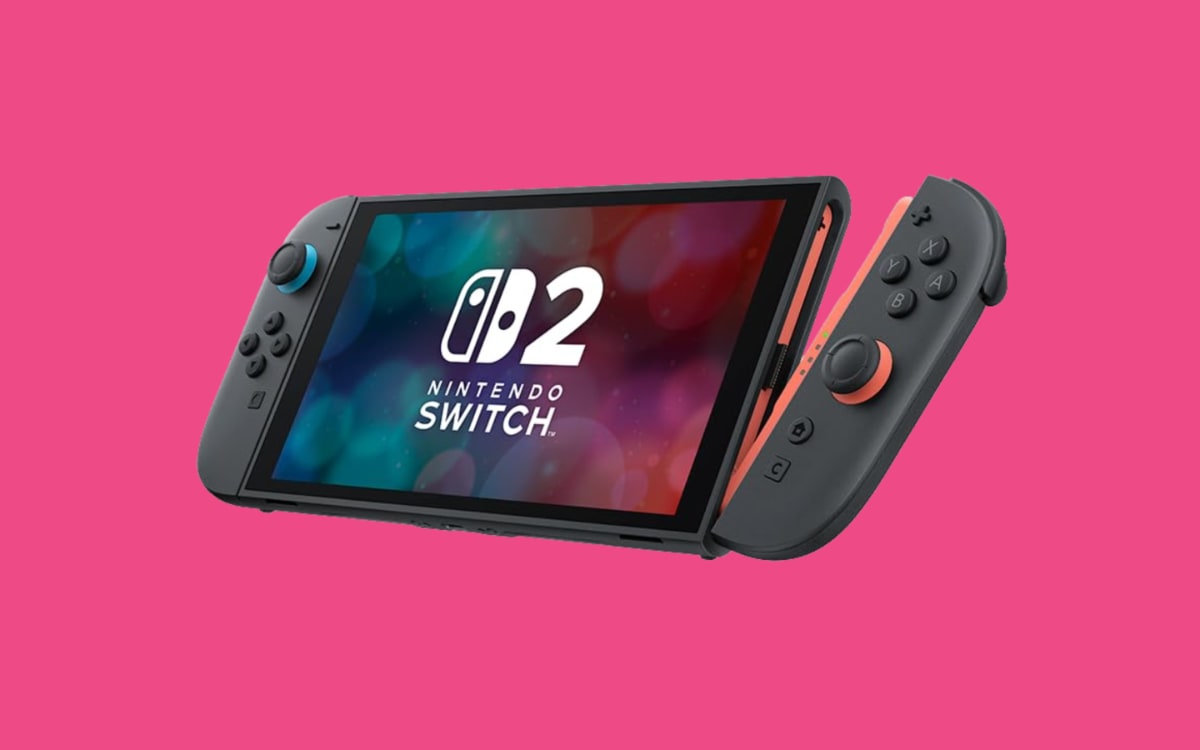
Nintendo Partners with Samsung to Boost Production of Switch 2 Chips

Nintendo has partnered with Samsung Electronics to manufacture the main chips for its upcoming Switch 2 gaming console. This strategic move aims to significantly boost production capacity, enabling Nintendo to surpass its earlier sales projection and potentially sell over 20 million units by March 2026. By collaborating with Samsung, Nintendo hopes to meet strong market demand and strengthen its position in the competitive gaming industry.

This deal marks an important win for Samsung as it continues to challenge Taiwan Semiconductor Manufacturing Co. (TSMC) in the global semiconductor market. Samsung is currently producing a customized chip designed by Nvidia for the Switch 2, using its 8-nanometer process technology. The partnership is expected to increase the utilization of Samsung’s chip foundries, bolstering its contract manufacturing business—a segment that has faced stiff competition from TSMC’s industry-leading production capabilities.

Samsung already supplies memory chips and displays to Nintendo, but breaking further into the contract chipmaking market has been challenging due to TSMC’s dominance. However, this collaboration with Nintendo and Nvidia signals growing confidence in Samsung’s ability to deliver high-quality chips at scale. With the ability to ramp up production as needed, Samsung is positioned to support Nintendo’s ambitious shipping targets, though actual output will also depend on assembly partners like Foxconn Technology Group.

Despite the excitement around this partnership, Nintendo remains discreet about its suppliers and production details. The company has maintained its official sales forecast of 15 million units, noting that this figure was set before factoring in any tariff impacts. While Samsung and Nvidia declined to comment, industry watchers see this deal as a clear endorsement of Samsung’s growing role in the contract semiconductor space and a strategic win in the ongoing race to supply next-generation electronics.
Redmi Pad 2 Renders and Pricing Leak Suggest MediaTek Helio G100 Ultra and 9,000mAh Battery

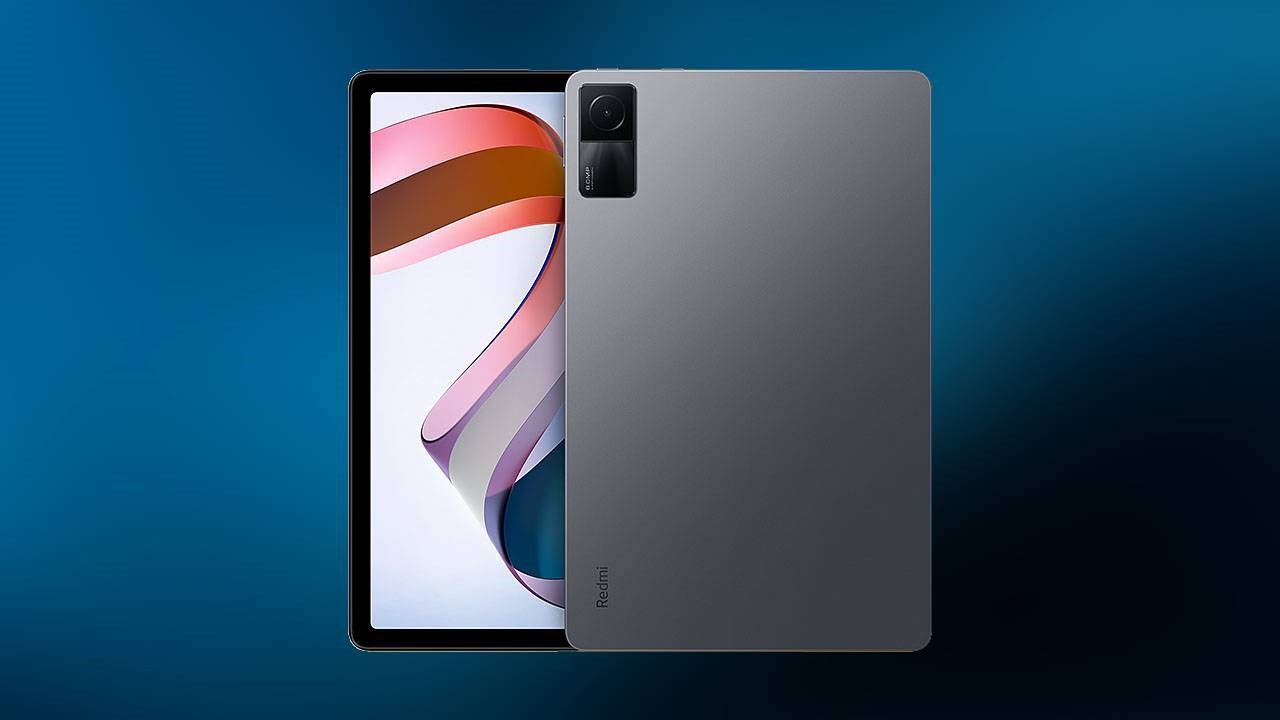
The Redmi Pad 2 seems to be gearing up for its official launch as recent leaks have revealed images, specifications, and pricing details of the upcoming tablet. Positioned as the successor to the 2022 Redmi Pad, the new model is expected to feature an 11-inch display and run on the MediaTek Helio G100 Ultra chipset. It may come with up to 8GB of RAM and offer a maximum of 256GB storage, making it a competitive budget-friendly device in the tablet market. One of the highlights is its large 9,000mAh battery, which promises longer usage times.

According to a leak from Ytechb, the Redmi Pad 2 could be priced reasonably to attract budget-conscious consumers. The variant with 4GB RAM and 128GB storage is expected to cost around EUR 229 (approximately Rs. 22,000), while the top-end 8GB RAM and 256GB storage model might be priced at EUR 279 (roughly Rs. 26,000). The tablet is likely to be offered in a graphite gray color option, as seen in the leaked renders.

The design of the Redmi Pad 2 reportedly resembles its predecessor, with relatively thick bezels and a pill-shaped rear camera module. Physical controls like the power button and volume rocker are positioned on the right edge, while the bottom houses a USB Type-C port, a 3.5mm headphone jack, and speaker grills. The tablet is also expected to come with quad speakers enhanced by Dolby Atmos support, promising an immersive audio experience for media consumption and gaming.

On the software front, the Redmi Pad 2 may run on HyperOS 2.1 and feature an 11-inch 2.5K display with a 90Hz refresh rate. Its camera setup could include a single 8-megapixel AI-enhanced rear shooter and a 5-megapixel front camera. With its 9,000mAh battery supporting 18W fast charging, the Redmi Pad 2 looks to offer notable improvements over the original Redmi Pad, which had a slightly smaller display, less powerful Helio G99 chipset, and an 8,000mAh battery.

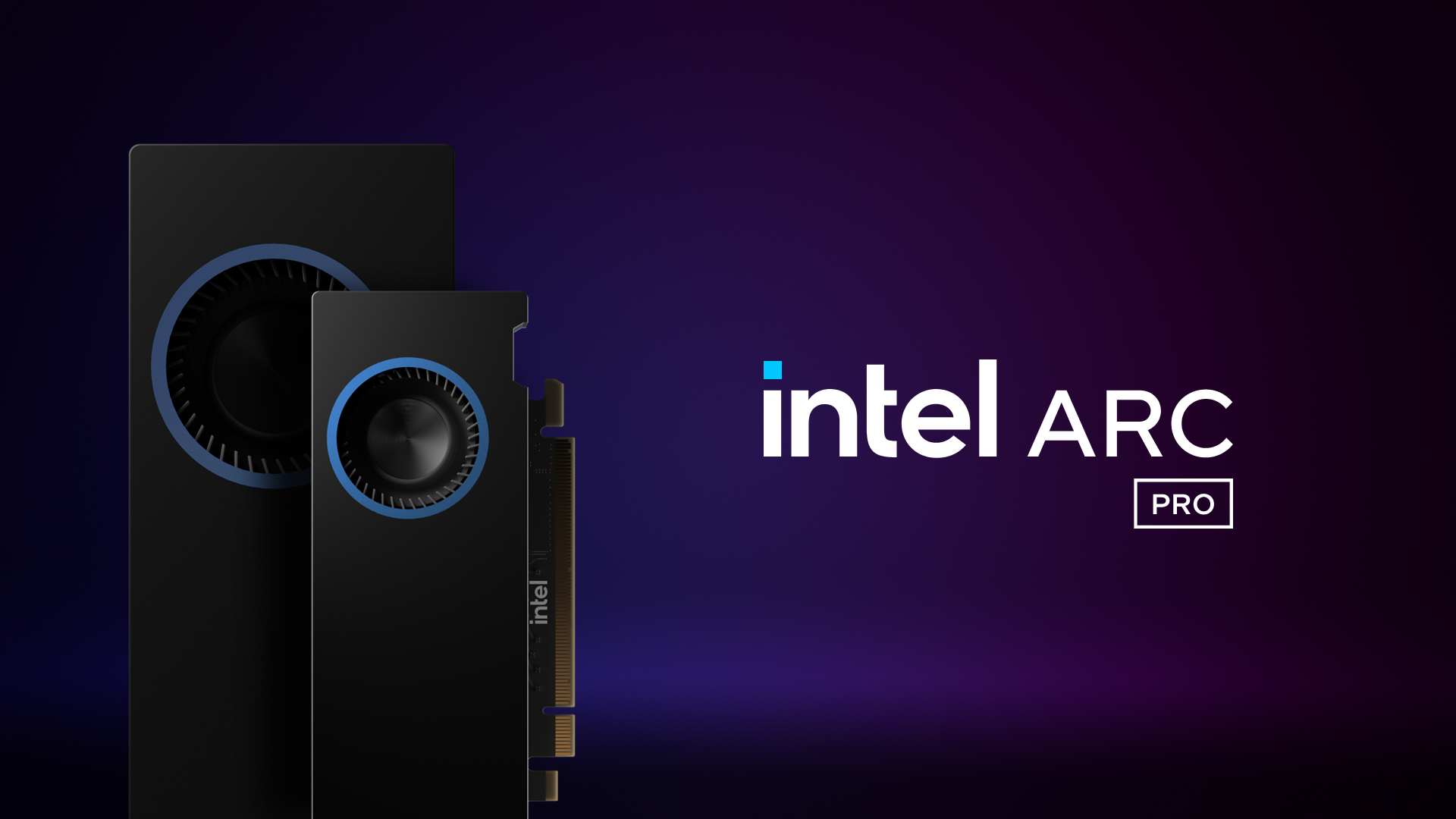
Intel Debuts Arc Pro B-Series GPUs With Built-In XMX AI Cores and Enhanced Ray Tracing Capabilities

Intel has officially launched its Arc Pro B-series graphics processing units (GPUs) at Computex 2025, targeting the growing demand for high-performance GPUs in professional workstations and AI inference tasks. Designed with larger memory capacities and expanded software compatibility, these GPUs aim to serve developers, creators, and engineers who require robust computational and graphical power. The lineup includes two models: the Intel Arc Pro B50 and Arc Pro B60. Both GPUs are built on Intel’s latest Xe2 architecture and come equipped with advanced ray tracing units and Intel’s Xe Matrix Extensions (XMX) AI cores.

The Arc Pro B60 GPU will hit the market first, with availability beginning in June 2025 through Intel’s add-in board partners such as ASRock, Gunnir, Maxsun, and Sparkle. Intel has yet to announce the pricing for this model. The Arc Pro B50, on the other hand, will be available starting July via Intel-authorized resellers at a price of $299 (roughly Rs. 25,500). These GPUs come in a variety of partner board form factors, allowing flexibility in deployment across different workstation builds.

Specifically tailored for professional-grade applications, the Arc Pro B-series GPUs are built to handle demanding workloads such as 3D rendering, real-time ray tracing, and AI model inference. Intel claims that these GPUs offer up to 3.4 times better graphical fidelity and up to 3.5 times higher inference performance in AI models like Stable Diffusion when compared to Nvidia’s RTX A1000 8GB. These performance gains highlight Intel’s ambition to compete in the enterprise GPU market, particularly for creators and AI developers.

In addition to the hardware upgrades, Intel has also emphasized its commitment to improving the software stack that supports the Arc Pro B-series. With optimized drivers and expanded compatibility for professional applications, users can expect smoother performance across workflows in CAD, media production, and AI training. The launch of the Arc Pro B-series marks a strategic move by Intel to not only bolster its presence in the GPU space but also cater directly to industries increasingly reliant on AI-driven computation and high-end graphics.