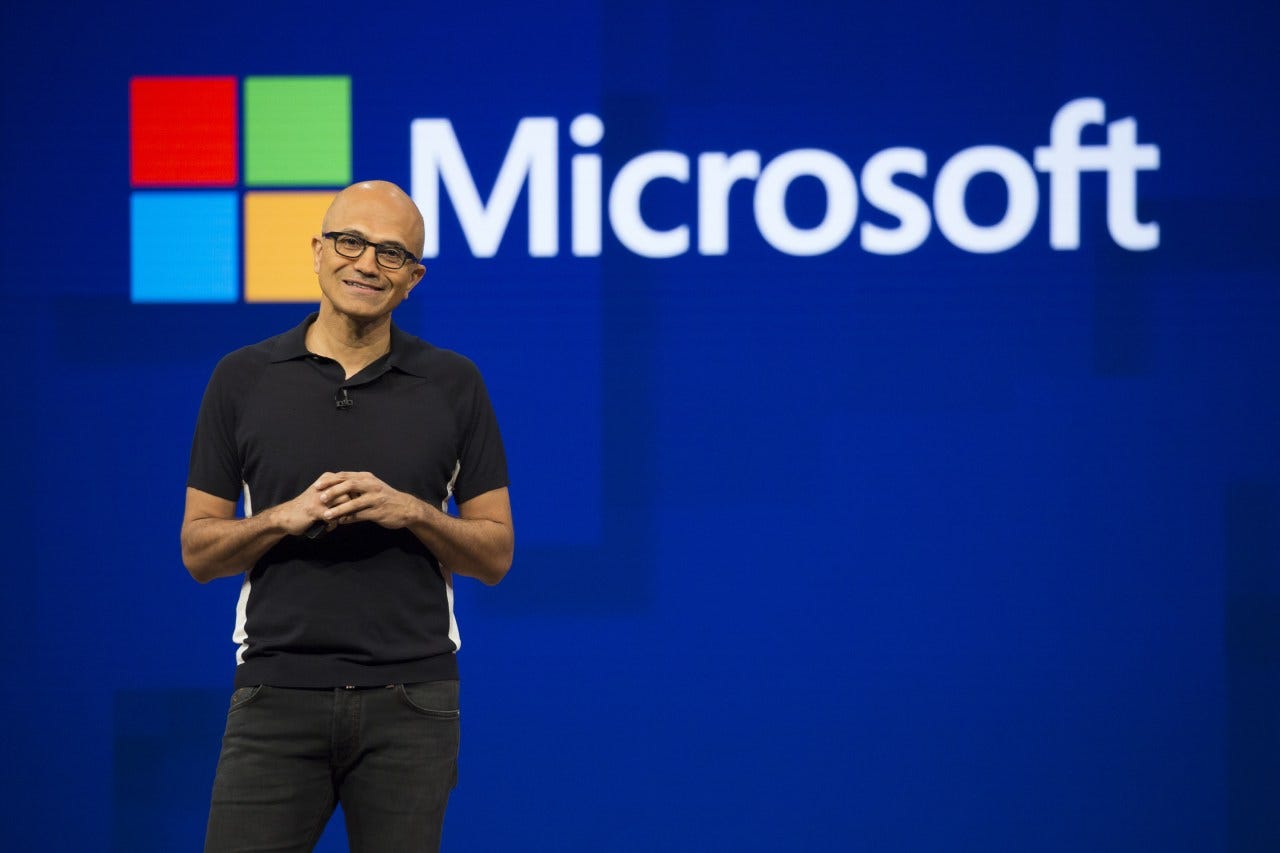
Microsoft to Integrate Elon Musk’s xAI Models Into Azure Cloud Platform

Microsoft Expands Azure AI Marketplace With Elon Musk’s Grok 3 Models

Microsoft is bringing Elon Musk’s xAI models to its Azure cloud platform, expanding its artificial intelligence (AI) model marketplace with new capabilities. The company confirmed that Grok 3, the latest AI model developed by xAI and launched earlier this year, will be available to Azure customers. This addition is part of Microsoft’s broader effort to cement Azure as a leading platform for deploying and managing cutting-edge AI applications.

The tech giant is competing with other major cloud service providers like Amazon Web Services (AWS) and Google Cloud to become the primary destination for AI development. As the demand for diverse and powerful AI models grows, so does the competition among cloud providers to host them. With Grok 3 joining Azure’s marketplace, Microsoft now offers access to over 1,900 models, including those from OpenAI, Meta, and DeepSeek. However, notable absences remain, such as models from Google and the fast-rising startup Anthropic.

Microsoft also made a series of AI-focused announcements during the opening of Build 2025, its annual developer conference. Many of the updates highlighted the company’s efforts to enhance agent-based AI systems—intelligent tools designed to act on a user’s behalf. A key focus was on integrating industry standards like Anthropic’s Model Context Protocol (MCP), which helps AI agents interface more effectively with digital content and applications. Microsoft confirmed that Windows and other products will adopt MCP, ensuring broader compatibility with future AI tools.

In support of this initiative, Microsoft and its GitHub subsidiary have also joined the MCP steering committee, further reinforcing their commitment to open AI collaboration and interoperability. “In order for agents to be as useful as they could be, they need to be able to talk to everything in the world,” said Kevin Scott, Microsoft’s Chief Technology Officer, emphasizing the importance of cross-platform communication and AI accessibility in the future of computing.
Microsoft Unveils NLWeb Open Project to Bring AI-Powered Natural Language Interfaces to Websites

Microsoft has unveiled a new open project called NLWeb at its Build 2025 developer conference, aimed at transforming how users interact with websites. Short for Natural Language Web, NLWeb is designed to add AI-powered natural language interfaces to websites, enabling them to understand and respond to user queries just like a conversational assistant. Microsoft believes this innovation could be as foundational to the next era of the web as HTML was to the birth of websites. By embedding this AI layer, websites can evolve into more interactive and intelligent platforms.

In its announcement, Microsoft explained that NLWeb would essentially allow websites to become AI applications. Instead of relying on traditional search bars or structured navigation, users will be able to ask questions or make requests in natural language—such as “Show me the latest pricing plans” or “Summarize this article”—and receive relevant, AI-generated responses. This capability can significantly enhance user engagement and streamline access to content.

Beyond just chat interfaces, NLWeb introduces a deeper integration into the broader AI ecosystem. Each NLWeb-enabled site also acts as a Model Context Protocol (MCP) server. MCP is an open standard, originally developed by Anthropic, that allows AI agents to access external data in a structured way. By supporting MCP, websites not only serve users directly but also make their content accessible to other AI agents and services, turning static web content into dynamic data sources.

Microsoft emphasized that NLWeb is fully open-source and available to developers starting today. Hosted on GitHub and integrated with the Azure AI Foundry Labs, the platform invites developers, researchers, and website owners to experiment, contribute, and help shape the future of AI-native web experiences. As more websites adopt NLWeb, it could lead to a more intelligent, agent-compatible internet where users interact naturally with the web—just like talking to an assistant.

Qualcomm to Launch Snapdragon 8 Elite 2 SoC Ahead of Schedule

Qualcomm Moves Up Snapdragon Summit, Set to Launch Snapdragon 8 Elite 2 in September

Qualcomm has officially announced that its next Snapdragon Summit will take place earlier than usual this year, shifting the spotlight on its upcoming mobile chipset. During Computex 2025 in Taipei, the company confirmed that the highly anticipated Snapdragon 8 Elite 2 will be unveiled at the event. This next-generation chipset is expected to power flagship smartphones set to debut as early as October.

The Snapdragon Summit, typically held in late October, will now take place from September 23 to 25 in Hawaii. Qualcomm President and CEO Cristiano Amon made the announcement during his keynote at Computex, highlighting the importance of accelerating innovation and meeting industry demand sooner than expected. The decision to move the timeline forward suggests the company is confident in the readiness and performance gains of its upcoming chip.

While detailed specifications for the Snapdragon 8 Elite 2 remain under wraps, it is expected to deliver notable improvements in AI processing, power efficiency, and GPU performance. Given the naming convention and early teasers, this chipset may be positioned as a true successor to the Snapdragon 8 Gen 3 and Snapdragon 8 Elite, with potential enhancements in on-device intelligence and next-gen mobile gaming capabilities.

Smartphones featuring the Snapdragon 8 Elite 2 are likely to hit the market by October, with major OEMs such as Samsung, Xiaomi, OnePlus, and others expected to adopt the new SoC in their upcoming premium devices. As the Snapdragon Summit draws nearer, more leaks and announcements are expected to shed light on Qualcomm’s most powerful mobile platform to date.