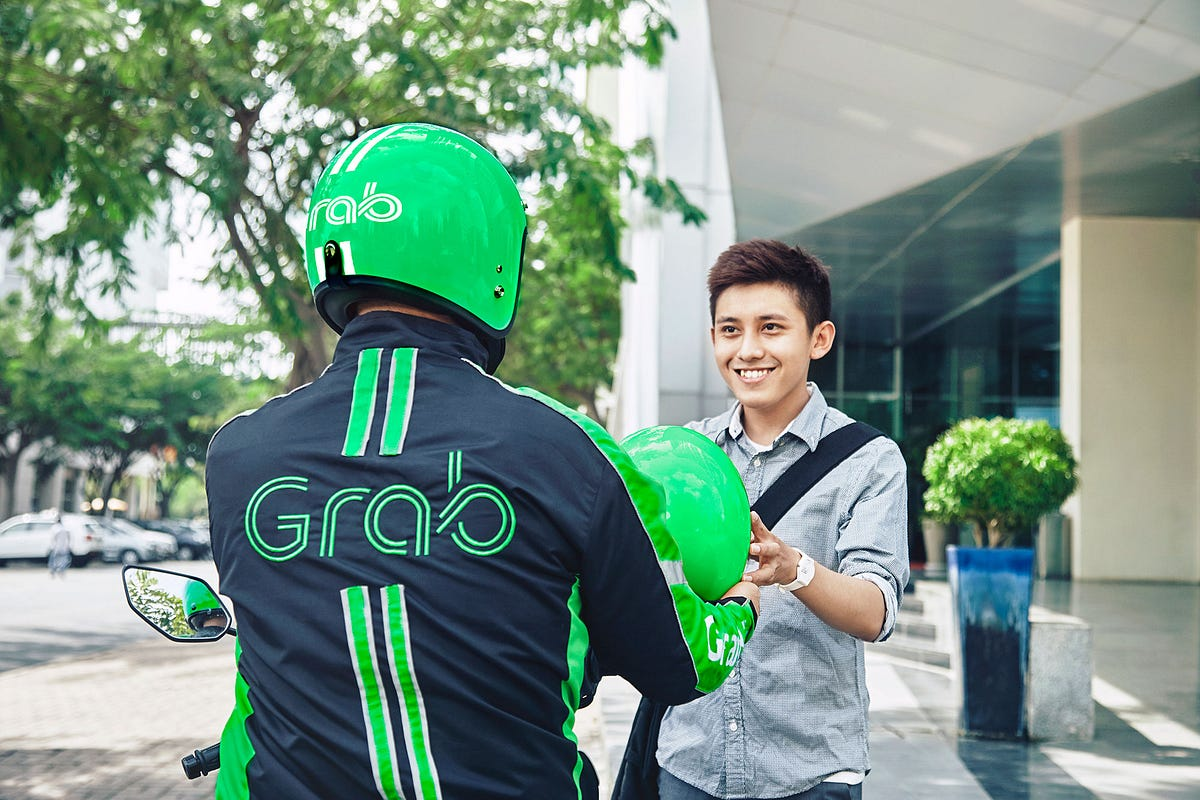
Grab Eyes $7 Billion Acquisition of GoTo in Q2, But Regulatory Hurdles Loom

Grab Holdings (GRAB.O) is reportedly working to finalize a deal to acquire Indonesian tech giant GoTo (GOTO.JK) in the second quarter of 2025, in what would be a transformative merger in Southeast Asia’s digital economy, multiple sources told Reuters. If completed, the deal could value GoTo at around $7 billion, making it one of the largest consolidations in the region’s ride-hailing and delivery sectors.

Singapore-based Grab has hired advisers and is currently in discussions with banks to finalize financing. Meanwhile, GoTo has acknowledged awareness of potential proposals but stated no decisions have been made.

Under the current proposal:

  • GoTo would divest its international business entirely

  • In Indonesia, GoTo would sell all operations except its finance arm to Grab

Grab—backed by Uberoffers services in ride-hailing, food delivery, and fintech, while GoTo, which counts SoftBank and Taobao China Holding as investors, is Indonesia’s largest digital ecosystem spanning e-commerce, logistics, and digital banking.

Market Dominance and Regulatory Concerns

A merger would give Grab control of 85% of Southeast Asia’s $8 billion ride-hailing market, including a 91% market share in Indonesia and nearly 90% in Singapore, according to Euromonitor International.

Markets, especially in Indonesia and Singapore, will impose strict scrutiny,”
said David Zhang, Euromonitor’s insights manager in Asia.

Talks between the two companies have been on and off for years, largely due to competition concerns. Analysts warn that regulators may see such a consolidation as anti-competitive—especially amid broader antitrust crackdowns and rising consumer costs driven by macroeconomic volatility and global tariffs.

However, some voices argue a merger could be beneficial.

Indonesian authorities may adopt a more pragmatic approach,” said Niko Margaronis of BRI Danareksa Sekuritas, noting potential long-term value creation and operational strengthening.

The antitrust backdrop is tense: in March, Uber’s $950 million bid for Delivery Hero’s Foodpanda in Taiwan was blocked, over concerns that it could stifle competition and lead to price hikes.

While the Grab-GoTo deal is still under negotiation and not finalized, its outcome could reshape Southeast Asia’s digital landscape, with implications for consumers, competitors, and regulators alike.
CDW Beats Q1 Estimates as Healthcare and Education Drive Hardware, Software Demand

CDW Corp. (CDW.O) exceeded Wall Street expectations for both revenue and profit in the first quarter of 2025, fueled by strong demand from healthcare, education, and public sector clients for IT hardware, software, and related services.

The Vernon Hills, Illinois-based IT distributor reported net sales of $5.20 billion, surpassing the $4.93 billion estimate (LSEG data), as end-markets showed signs of spending resilience despite ongoing economic uncertainty.

While economic uncertainty continues to persist, certain end-markets experienced improved customer spending during the first quarter,” the company said in a statement.

Segment Highlights:

  • Public segment revenue: $1.88 billion, up 10.3% year-over-year

  • Corporate segment revenue: $2.23 billion, up 6.3%

  • Adjusted EPS: $2.15 vs. $1.96 expected

CDW’s public segment—serving sectors like healthcare and educationwas a key driver of growth, while its corporate business remained the largest contributor overall. The company also noted continued demand for desktops, notebooks, mobile devices, cloud solutions, and cybersecurity services.

CDW partners with major vendors such as Cisco, Dell Technologies, HP, and Microsoft, delivering integrated IT solutions to enterprise, government, and institutional clients across the U.S., U.K., and Canada.

The results underscore CDW’s strong market position and ability to navigate industry headwinds, as organizations continue to prioritize digital transformation, remote access tools, and IT infrastructure upgrades.

CATL Targets Less Than 10% Discount for $5B Hong Kong Listing, Eyes Anchor Investors

Contemporary Amperex Technology Co. Ltd. (CATL) is expected to offer less than a 10% discount on its upcoming $5 billion Hong Kong share offering, according to sources familiar with the matter. The move would mark the largest Hong Kong listing in four years, as the world’s leading EV battery maker courts investors ahead of next week’s book-building process.

According to three sources, the discount to CATL’s Shenzhen-listed shares (300750.SZ) could land in the mid-single-digit range, with two sources saying the company hopes to avoid steep markdowns seen in recent offshore Chinese listings. However, some investors are pushing for a discount of at least 10%, one source noted.

CATL plans to allocate around half of the offering to cornerstone and anchor investors, reflecting a strategy used in major listings to stabilize pricing and demand. Final pricing has not yet been confirmed.

Background and Market Context:

  • CATL shares in Shenzhen rose 3% on Wednesday to 238.61 yuan, though the stock remains down 10.3% year-to-date.

  • Historically, Hong Kong shares are priced at a discount to their mainland counterparts, often 20–30% or more.

  • For comparison, Midea Group priced its $4 billion Hong Kong offering last year with a ~20% discount.

  • Other major listings like China Tourism Group Duty Free and S.F. Holding saw discounts as high as 28%–37% during their bookbuilds.

Despite aiming for a tighter discount, CATL’s strong fundamentals and dominant 38% global battery market shareup from 36% in 2023—may support investor appetite. The company serves high-profile clients including Tesla, Stellantis, and NIO, and has grown rapidly in the energy storage systems segment.

CATL reported a 32.9% rise in Q1 2025 net profit, reaching 14 billion yuan ($1.91 billion), marking its fastest growth in nearly two years.

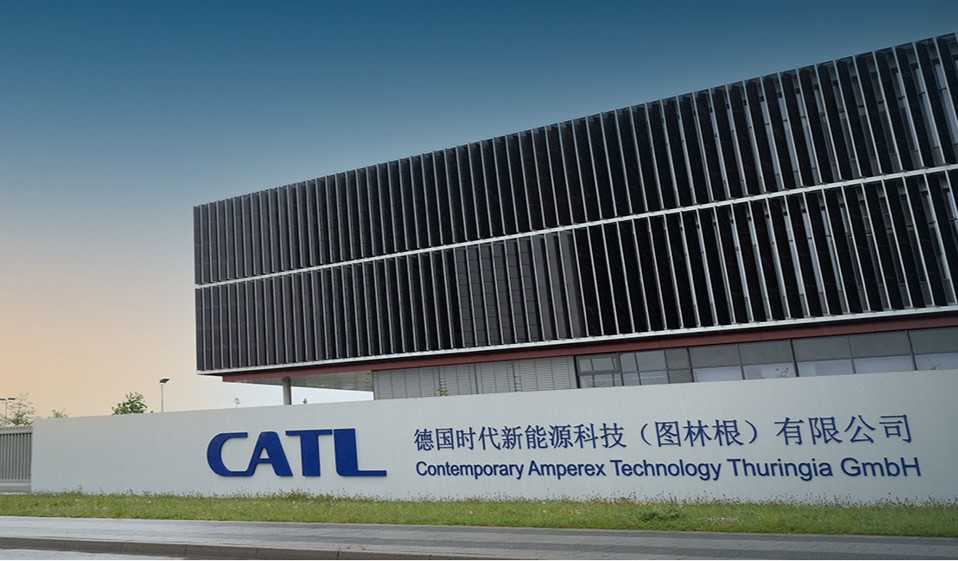
Proceeds from the Hong Kong listing will help fund CATL’s 7.3 billion euro ($8.28 billion) battery plant in Hungary, furthering its global manufacturing footprint.

If completed, the deal would be the biggest in Hong Kong since Kuaishou Technology’s $6.2 billion IPO in 2021.