Meta Unveils AI App Featuring Voice Conversations and a Social Discovery Feed

Meta Launches Standalone AI App with Voice Conversations and Social Discovery Feed

Meta has introduced a standalone app for its artificial intelligence (AI) chatbot, Meta AI, which is now available for download on both Android and iOS devices. The new app combines AI-powered interactions with a social element, offering users a unique experience. One of the standout features of the Meta AI app is the social Discover feed, where users can explore posts and images shared by others. The app also introduces a voice mode, allowing users to engage in two-way verbal conversations with the chatbot. However, this voice feature is currently available only in select countries.

In an official newsroom post, Meta unveiled the new AI app and highlighted its key features. This launch comes after CEO Mark Zuckerberg revealed the company’s plans to develop a dedicated AI app. Powered by the Llama 4 AI model, the Meta AI app enters a competitive market alongside other AI platforms like ChatGPT, Gemini, Grok, and Claude. The app is designed to provide more than just text-based interactions, offering users a comprehensive experience that integrates social media-like features.

The social aspect of the app is evident through the Discover feed, where users can share their interactions with Meta AI, including prompts, responses, and even images generated by the AI. Users are encouraged to engage with the content, liking, commenting, or remixing posts to create new prompts. Importantly, Meta ensures user privacy, stating that no content is shared to the feed unless the user chooses to post it. This emphasis on user control allows for a more personalized and secure experience.

To access the Meta AI app, users must sign in using a Meta account, which can be linked to either their Instagram or Facebook profile. Once logged in, the app can access information like the user’s profile, content they’ve engaged with, and past conversations with Meta AI. This integration with Meta’s broader ecosystem aims to create a seamless and connected experience across various platforms.

Motorola Edge 60 Pro Debuts with MediaTek Dimensity 8350 Extreme Chipset and 6,000mAh Battery: Pricing and Features Revealed

Motorola Edge 60 Pro Launched in India with MediaTek Dimensity 8350 Extreme Processor and 6,000mAh Battery

Motorola has unveiled its latest flagship in India, the Motorola Edge 60 Pro, featuring impressive specifications aimed at providing users with a premium smartphone experience. Powered by the MediaTek Dimensity 8350 Extreme chipset, the device is offered with up to 12GB of RAM and 256GB of internal storage. It also sports a stunning 6.7-inch display with a 1.5K resolution and is backed by a massive 6,000mAh battery that supports wired, wireless, and reverse charging, ensuring long-lasting performance and convenience.

In terms of pricing, the Motorola Edge 60 Pro starts at ₹29,999 for the base model, which comes with 8GB of RAM and 256GB of storage. The higher-end variant with 12GB of RAM and 256GB of storage is priced at ₹33,999. The phone is available in three attractive color options: Pantone Dazzling Blue, Pantone Sparkling Grape, and Pantone Shadow. Customers can pre-order the device via Flipkart and the official Motorola India website, with the sale beginning on May 7 at 12 PM (noon).

The Motorola Edge 60 Pro features a 6.7-inch Quad curved pOLED screen with a 1.5K resolution of 1,220 x 2,712 pixels. The display offers a 120Hz refresh rate and a pixel density of 446ppi, ensuring smooth and vibrant visuals. It also comes with Corning Gorilla Glass 7i protection for added durability. Under the hood, the phone runs on Android 15-based Hello UI and is promised to receive three years of Android updates and four years of security patches, ensuring long-term software support for users.

For photography enthusiasts, the Edge 60 Pro offers a powerful triple rear camera setup. The primary sensor is a 50-megapixel Sony LYTIA 700C camera with f/1.8 aperture and optical image stabilization (OIS). Additionally, there is a 50-megapixel ultra-wide-angle lens and a 10-megapixel telephoto lens with 3x optical zoom. On the front, the device features a 50-megapixel selfie camera, ideal for high-quality self-portraits. The smartphone is also equipped with a range of connectivity options, including 5G, Wi-Fi 6E, Bluetooth 5.4, and more, along with an IP68 + IP69 rating for water and dust resistance, making it a durable and feature-packed option for tech enthusiasts.

Google Pixel 10 to Feature Enhanced PWM Dimming to Help Reduce Eye Strain and Visual Discomfort

Google Pixel 10 Set to Address PWM Dimming Issues with Display Upgrades

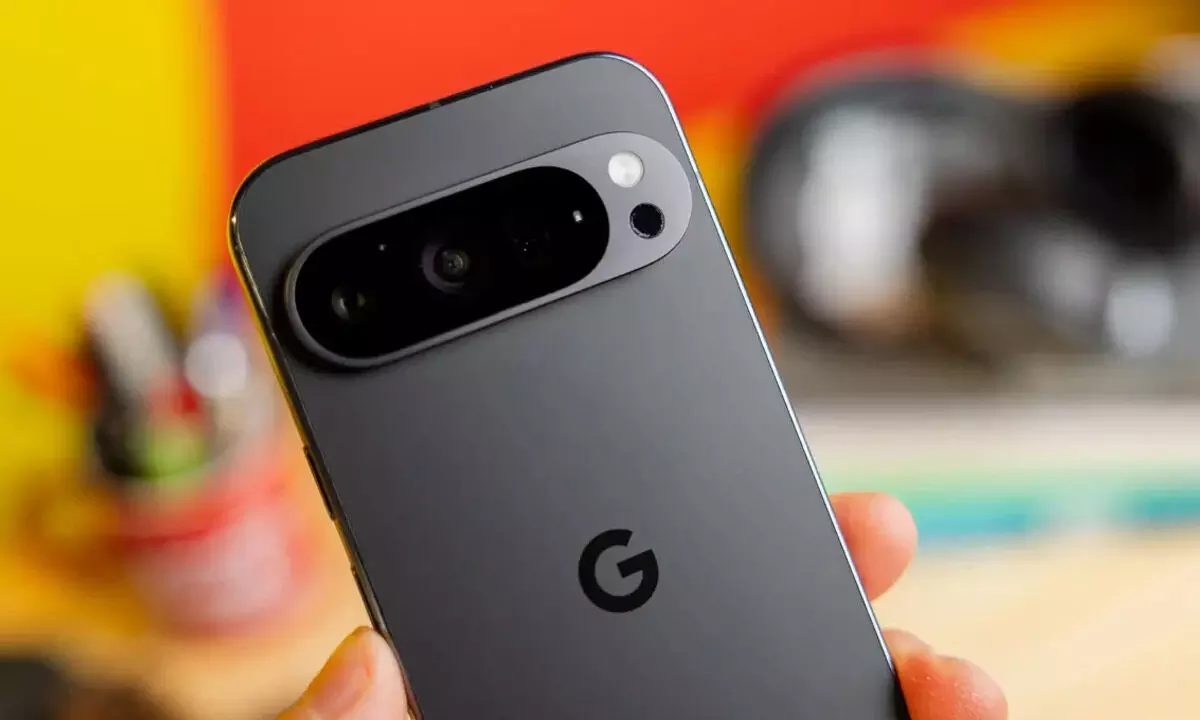
Rumors surrounding the upcoming Google Pixel 10 series suggest that the company is preparing significant improvements to its display technology. Google’s Pixel 9 series, including the recently launched Pixel 9a, has been praised for its high-quality screens, but users have reported issues with pulse width modulation (PWM) dimming, which can cause discomfort such as headaches, blurred vision, and migraines. Google has acknowledged these concerns and hinted that the Pixel 10 could offer a solution.

The Pixel 9a features a 6.3-inch Actua (pOLED) display with a resolution of 1,080 x 2,424 pixels and a refresh rate ranging from 60Hz to 120Hz. Additionally, the display boasts an impressive 2,700 nits of peak brightness. To enhance color accuracy and efficiency, Google and other smartphone brands, including Apple and Samsung, use PWM dimming technology. This method adjusts the backlight to create the illusion of varying brightness levels without changing the light source directly.

While PWM dimming aids in delivering consistent visuals, displays with low dimming rates, like the Pixel 9’s 240Hz setting, have been linked to visual discomfort. Users have reported frequent headaches and eye strain, which has led to growing concerns. In response to these complaints, Google was approached by AndroidCentral for clarification. A company representative confirmed that Google is aware of the issue and is actively investigating potential solutions. The official added that users could expect updates later this year, which might resolve the issue for future Pixel devices.

While Google did not confirm whether the fix would specifically target the Pixel 9 series, it strongly suggests that the upcoming Pixel 10 series will incorporate these display enhancements. These improvements are likely to address the PWM dimming rate issues and provide a more comfortable viewing experience for users who have been affected by the current displays. Fans and tech enthusiasts are eagerly awaiting further details about the Pixel 10 and its much-anticipated display upgrades.