Musk’s xAI Joins Palantir and TWG in Financial Sector AI Expansion

Elon Musk’s AI firm, xAI, has officially teamed up with Palantir Technologies and investment group TWG Global in a major push to bring artificial intelligence solutions to the financial services and insurance industries, the companies announced Tuesday.

TWG Global, led by Guggenheim Partners founder Mark Walter and entertainment financier Thomas Tull, will spearhead implementation efforts by working directly with financial firms to integrate AI into operational decision-making and customer offerings.

The partnership will incorporate xAI’s proprietary technologies, including its Grok large language models and the Colossus supercomputer, into enterprise AI platforms. Palantir will provide its powerful data analytics infrastructure to support model deployment.

This initiative marks a significant step as financial institutions increasingly seek AI-driven insights to streamline processes, automate decision-making, and reduce risk. The companies noted they expect to onboard additional partners in the coming months.

The collaboration follows a growing trend of AI-aligned alliances: in March, xAI and Nvidia joined forces with a consortium backed by Microsoft, MGX, and BlackRock to scale AI infrastructure across the U.S.

Gartner Hikes 2025 Profit Outlook Despite Revenue Trim, Citing Cost Discipline

Gartner Inc. (IT.N) on Tuesday raised its 2025 profit forecast after posting better-than-expected Q1 earnings, thanks to strict cost-cutting measures and resilient demand for its subscription research services. The company now expects adjusted EPS of at least $11.70, up from its prior estimate of $11.45.

The technology research and advisory firm, which serves clients like Accenture and Cognizant, reported Q1 adjusted earnings of $2.98 per share, surpassing analyst expectations of $2.72, according to LSEG. Despite macroeconomic headwinds such as tariff-driven volatility, Gartner’s research segment, its largest, grew 4.2% year-on-year, helping cushion softness in other areas.

Total Q1 revenue came in at $1.53 billion, a 4.2% year-over-year increase but slightly below analysts’ forecast of $1.54 billion. The company revised its full-year 2025 revenue guidance slightly downward to $6.53 billion, from the earlier $6.56 billion estimate.

Costs rose by just 4.7%, a marked slowdown from the 8.8% increase in the prior quarter, signaling effective cost management. Gartner operates in three core business units:

  • Research (subscription-based insights)

  • Consulting (custom advisory services)

  • Conferences (networking and executive events)

While the company anticipates modest revenue growth, its higher earnings guidance highlights confidence in margin stability driven by efficiency improvements and robust retention in recurring services.

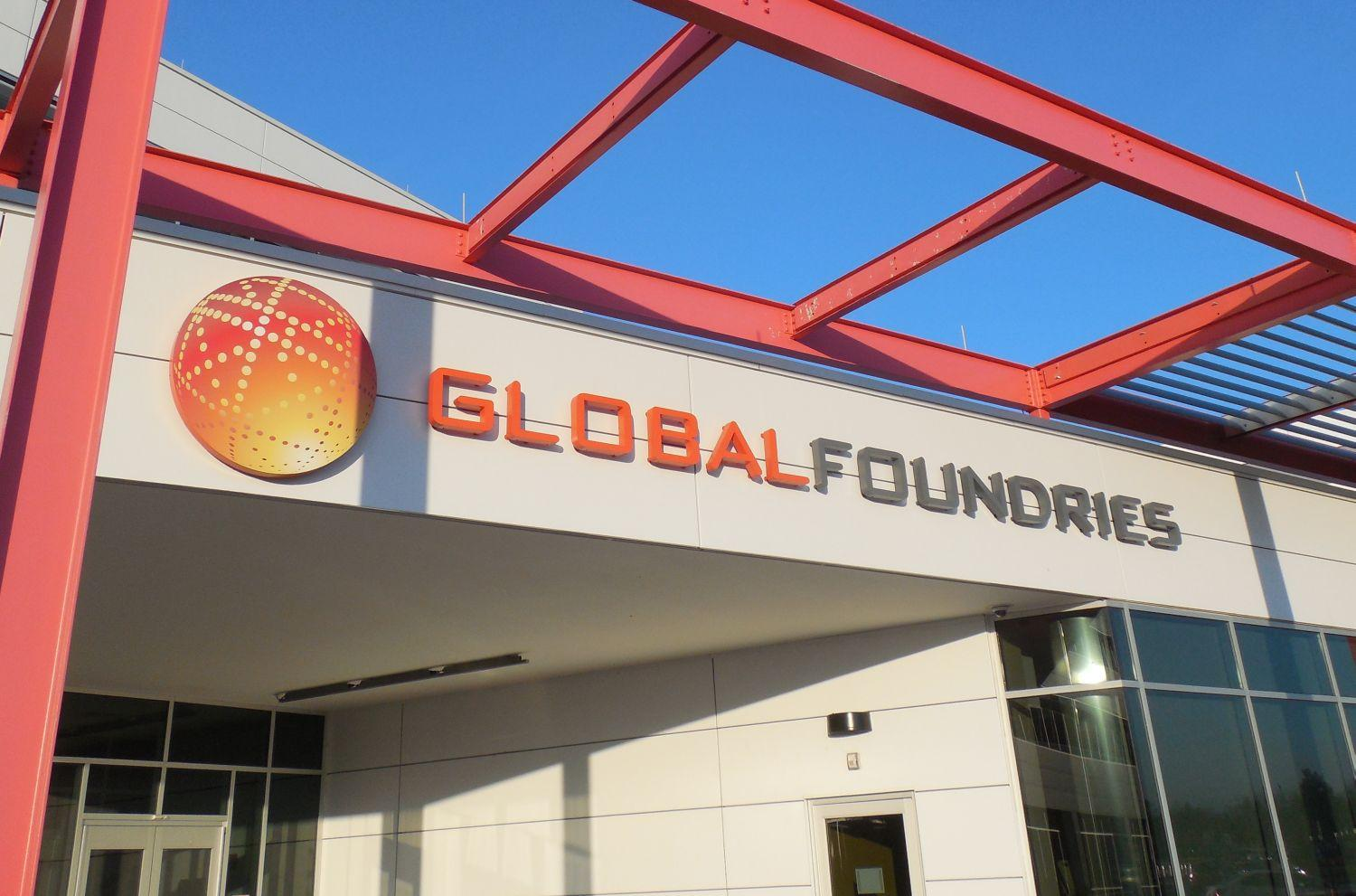
GlobalFoundries Forecasts Stronger Q2 Amid Stable Demand and Tariff Tailwinds

GlobalFoundries (GFS.O) on Tuesday projected second-quarter revenue and profit slightly above Wall Street expectations, indicating stable demand despite industry-wide pressures from tariffs, smartphone weakness, and policy uncertainty.

The U.S.-based contract chipmaker expects Q2 revenue of $1.68 billion (±$25 million) and adjusted earnings of 36 cents per share5 cents). Analysts polled by LSEG had anticipated $1.67 billion in revenue and 35 cents per share in profit. The positive forecast comes after the company posted Q1 revenue of $1.59 billion, slightly ahead of estimates, and adjusted earnings of 34 cents, beating forecasts of 28 cents.

While smartphone demand, its largest revenue stream, remains under pressure, GlobalFoundries said its automotive chip segment showed year-over-year growth in Q1. This resilience comes amid U.S. President Donald Trump’s global tariff strategy, which has already imposed levies on foreign-made autos – the company’s third-largest market.

Interestingly, CEO Thomas Caulfield noted that U.S. tariffs on foreign-made chips could benefit domestic manufacturers like GlobalFoundries by prompting customers to shift production to U.S.-based fabs. However, broader uncertainty around the CHIPS Act, which includes $52.7 billion in U.S. subsidies for domestic chip production, continues to cloud the industry’s long-term outlook.

Meanwhile, speculation of a potential merger with Taiwanese United Microelectronics Corp (UMC) resurfaced in March, although UMC denied any ongoing talks in April.

Despite the policy fog and shaky smartphone sector, GlobalFoundries appears cautiously optimistic heading into Q2 – signaling potential resilience among U.S.-based chipmakers navigating a turbulent geopolitical landscape.