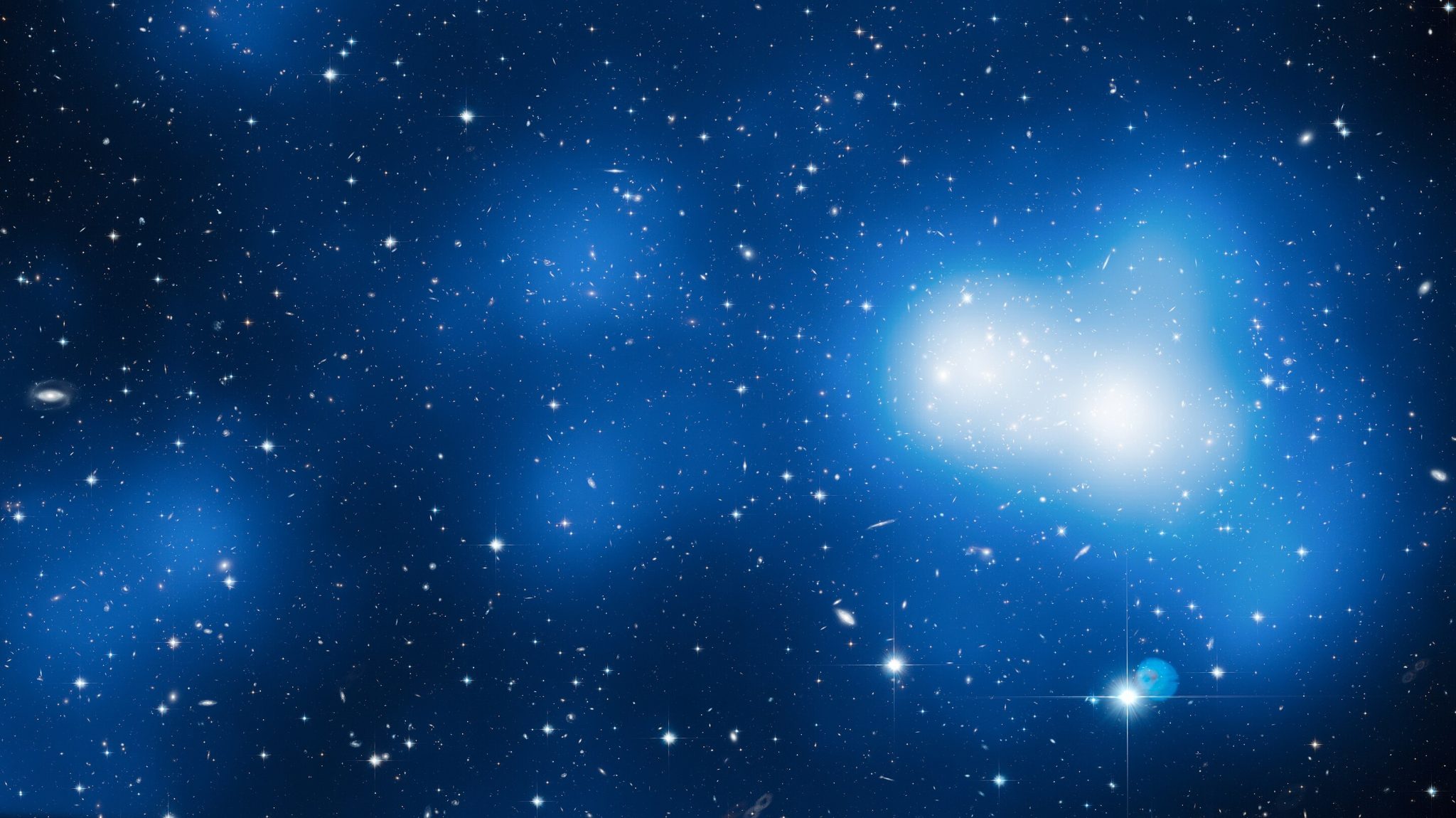
New Research Reveals Hercules-Corona Borealis Great Wall is Larger and Closer Than Previously Believed

Astronomers have uncovered surprising new details about the Hercules-Corona Borealis Great Wall, a colossal structure in the universe composed of galaxies arranged in a vast network. Recent studies have shown that this galactic superstructure is not only larger than previously believed but also closer to Earth than originally estimated. By utilizing gamma-ray bursts (GRBs) — some of the brightest explosions in the universe — scientists were able to refine their understanding of the Great Wall’s size and proximity, challenging existing theories on the large-scale structure of the cosmos.

The Hercules-Corona Borealis Great Wall was first discovered in 2014, when astronomers identified a dense filament of galaxies that formed part of a supercluster. Since then, research has continued to uncover more about this mysterious feature, but it is only now that a new study has significantly expanded on these findings. By examining a broader sample of gamma-ray bursts, astronomers Hakkila and Zsolt Bagoly have been able to make more precise measurements, revealing that the structure is even more expansive and closer to our planet than initially thought.

Gamma-ray bursts play a pivotal role in the study of cosmic structures like the Great Wall. These intense explosions, resulting from the collapse of massive stars or the collision of neutron stars, emit powerful jets that can be detected across vast distances. Thanks to their extreme brightness, GRBs act as cosmic beacons, helping scientists spot galaxies that would otherwise be too faint to observe directly. This new understanding of the Great Wall, stretching over 10 billion light-years, raises questions about the uniformity of the universe and suggests that current models of cosmic structure formation might be incomplete.

To fully grasp the scope of the Hercules-Corona Borealis Great Wall, more data is needed. While NASA’s Fermi Gamma-ray Burst satellite has identified hundreds of GRB events, there are still uncertainties surrounding the origins of some of the bursts. Looking ahead, astronomers are hopeful that the upcoming ESA mission, THESEUS (Transient High Energy Sources and Early Universe Surveyor), will provide the necessary observational data to map the Great Wall in its entirety. This mission promises to expand the catalogue of known GRBs, particularly those from extreme distances, and could offer critical insights into the formation of the universe’s largest structures.

SpaceX Launches Europe’s First Reentry Capsule into Orbit on Bandwagon-3 Rideshare Mission

SpaceX launched the Bandwagon-3 mission from Cape Canaveral Space Force Station, marking a significant milestone in European space exploration. A Falcon 9 rocket carried multiple payloads into orbit, including Phoenix 1, Europe’s first private reentry capsule developed by the German company Atmos Space Cargo. This historic mission is set to make Phoenix 1 the first European capsule designed to return from space after just one orbit, splashing down approximately 1,200 miles offshore of Brazil. This achievement positions Europe at the forefront of private space reentry technology.

Phoenix 1 is a critical development in European aerospace, as it marks the first-ever atmospheric reentry attempt by a European private entity. The capsule is equipped with innovative technologies, including Atmos Space Cargo’s inflatable heat shield, designed to safely return high-value cargo from space. The company’s mission aims to revolutionize space logistics, enabling advancements in areas such as microgravity research, in-orbit manufacturing, defense, and life sciences. The successful reentry and splashdown of Phoenix 1 would lay the groundwork for future commercial applications, boosting the European space sector’s capabilities in these critical fields.

The Bandwagon-3 mission also carried several other significant payloads, including 425Sat-3, operated by South Korea’s Agency for Defence Development, and Tomorrow-S7, a weather satellite from Tomorrow Companies Inc. These diverse payloads demonstrate SpaceX’s continued commitment to providing affordable and flexible access to low Earth orbit through its rideshare program. The Bandwagon series, which began in April 2024, complements SpaceX’s established Transporter series, further enhancing the company’s ability to support various space missions, whether large or small, and reinforcing the trend toward cost-effective space exploration.

Phoenix 1’s launch on the Bandwagon-3 mission highlights a shift in European space logistics towards scalable reentry missions. The success of Phoenix 1 could have profound implications for European space companies, proving the feasibility of private space reentry capabilities. This demonstration would not only validate the Phoenix program but also open the door for future collaborations between commercial entities and research institutions, paving the way for a new era of space exploration and logistics with a focus on reusability and cost efficiency.

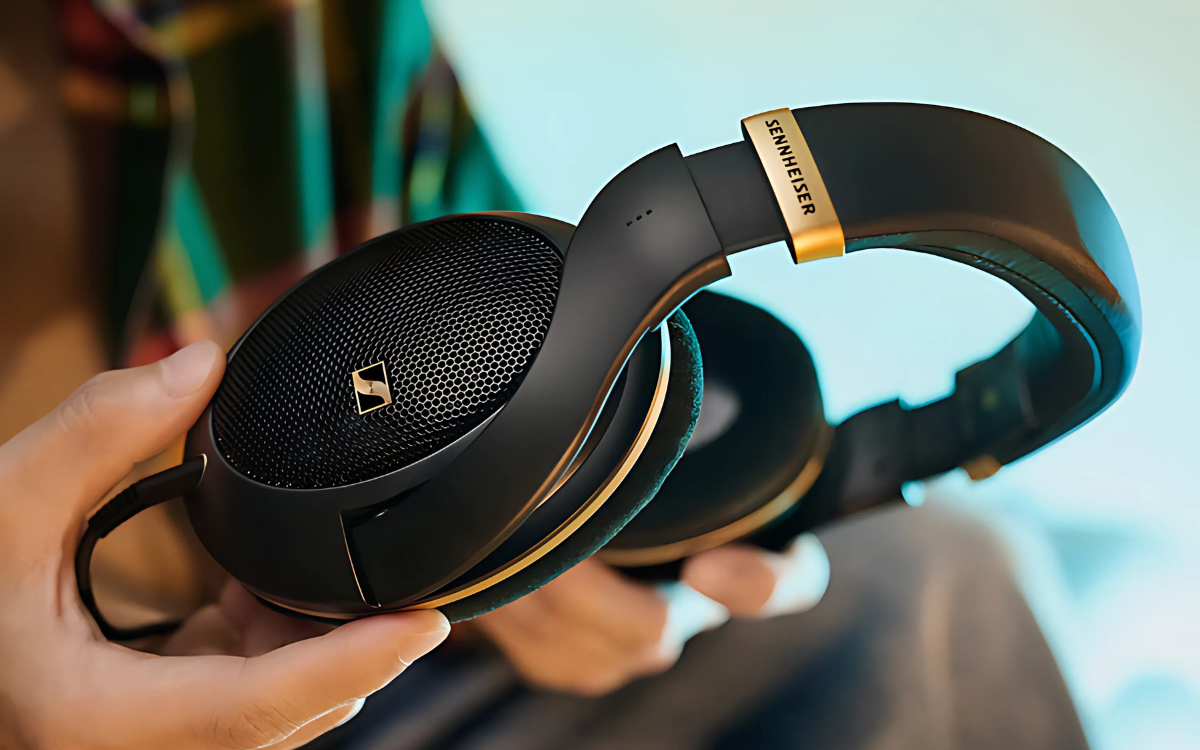
Sennheiser HD 505 Open-Back Over-Ear Headphones Now Available

Sennheiser has officially launched its HD 505 over-ear headphones in India, offering audiophiles a premium listening experience with an open-back design. The new headphones are available in a Copper Edition variant and come equipped with Sennheiser’s custom 120-ohm transducer, developed at the company’s facility in Tullamore, Ireland. The HD 505 headphones are designed to deliver high-fidelity sound with an impressive frequency response range of 12Hz to 38,500Hz, ensuring an immersive listening experience. With a total harmonic distortion (THD) of less than 0.2 percent, these headphones promise to deliver clear and distortion-free audio.

Priced at Rs. 27,990, the Sennheiser HD 505 is available for purchase through Amazon India, with plans to be sold on the official Sennheiser India website as well. The Copper Edition of these headphones is expected to appeal to both audiophiles and casual listeners who value high-quality sound and aesthetics. This new release positions Sennheiser as a strong contender in the competitive premium headphone market in India, where consumers are increasingly seeking high-performance audio products.

The HD 505 headphones feature dynamic drivers with a wide frequency range, providing an exceptional audio experience. The 120-ohm transducers used in the HD 505 are angled forward in the open-back cups to mimic the placement of near-field loudspeakers, creating a more expansive and immersive soundstage. The design allows for a more natural, speaker-like experience, enhancing clarity and spatial separation in the sound. The open-back design further contributes to an airy, natural sound, providing a more open listening experience compared to closed-back headphones.

In terms of connectivity, the HD 505 comes with a detachable 1.8-meter cable with a 3.5mm connector, which can be swapped out with an included 3.5mm to 6.35mm screw-on jack adapter for compatibility with a wider range of audio devices, including amplifiers, sound cards, and A/V receivers. Whether you’re connecting to a high-end audio system or enjoying music on your portable device, the Sennheiser HD 505 offers the versatility and sound quality needed for a premium listening experience.