iPhone Users Can Now Set Google Translate as Their Default Translation App

Google Translate Can Now Be Set as Default on iPhone With Latest iOS Update

Google Translate for iOS has received a major functionality upgrade, allowing iPhone and iPad users to set it as their default translation app. This change comes in the wake of Apple’s iOS 18.4 update, which expanded support for third-party apps to take over core system functions such as media playback, navigation, and translation. Until now, Apple’s native Translate app was the primary option for handling translation requests. With this update, Google Translate becomes a powerful and flexible alternative.

According to the latest information available on the iOS App Store, users running iOS 18.4 or iPadOS 18.4 can now configure Google Translate as their default translation app. To do this, users must update the app to version 9.8.011 or later. Once set, the app will handle translation tasks triggered through system features such as Siri or text selection, offering a more personalized and potentially more accurate translation experience based on Google’s extensive language database.

Google Translate’s capabilities go far beyond basic word-for-word translation. The app supports real-time translation between 249 languages, making it one of the most comprehensive tools available on mobile platforms. It accommodates multiple input methods, including typing, voice dictation, and even handwriting recognition. The app also includes offline functionality via downloadable language packs, ensuring continued usability even without an internet connection.

Additional features enhance Google Translate’s usefulness in everyday scenarios. Users can translate text in images using the camera, perform live transcription during conversations, and save frequently used phrases for quick access. These tools make the app particularly useful for travelers, multilingual households, and professionals needing fast and reliable translation. Now, with the ability to set it as the default translator on iOS devices, Google Translate becomes even more tightly integrated into the Apple ecosystem—offering users a seamless, cross-platform language solution.
Leaked Hands-On Images Reveal Infinix Hot 60 Pro+ Aiming to Challenge Galaxy S25 Edge with Sleek Design

Infinix Hot 60 Pro+ Leak Hints at Ultra-Slim Rival to Samsung Galaxy S25 Edge

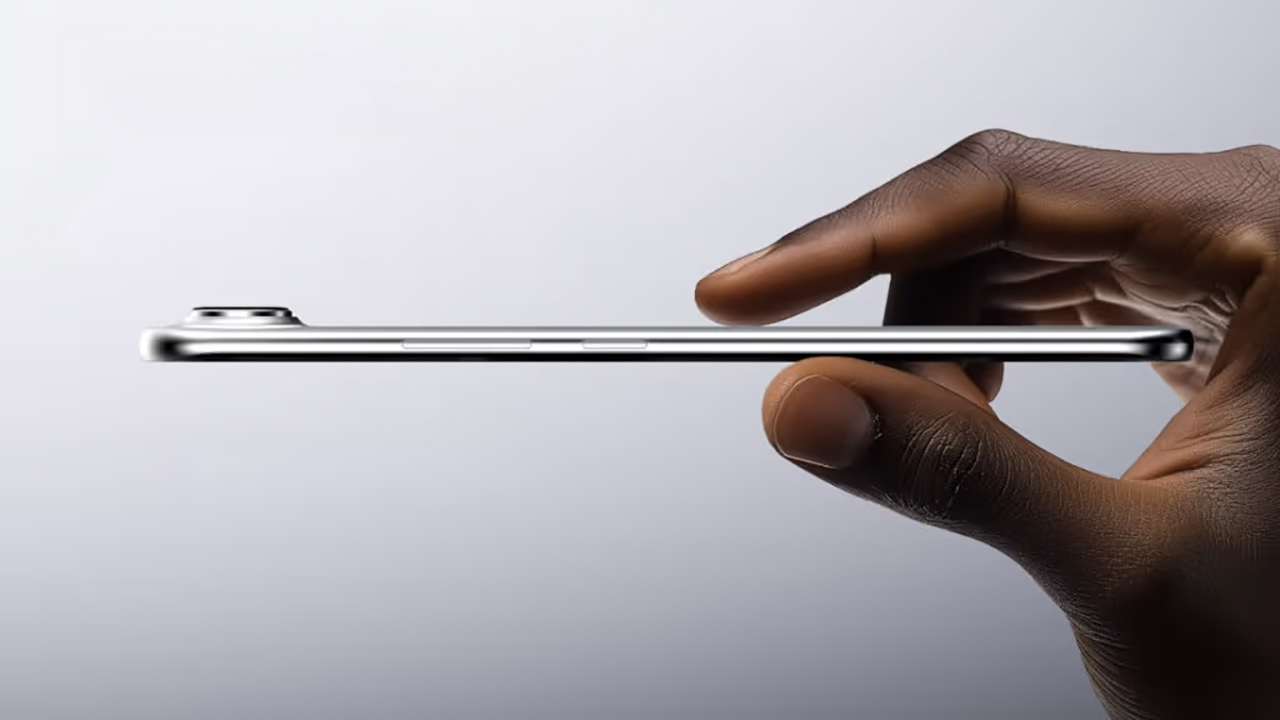
The race for the slimmest smartphone is heating up, and Infinix appears ready to take on major players in the Android space. Following Samsung’s launch of the Galaxy S25 Edge earlier this month—boasting a sleek 5.8mm profile—a fresh leak suggests that Infinix is preparing to debut the Hot 60 Pro+ with an equally thin, if not thinner, design. According to early information, the device could come in at just under 6mm thick, signaling a strong push toward ultra-slim form factors in the budget and mid-range segments.

Well-known tipster Ice Cat (@UniverseIce) recently shared new insights on X (formerly Twitter), revealing that the Infinix Hot 60 Pro+ has reportedly entered mass production. The device is expected to feature a 5.95mm thick body, which would make it one of the thinnest curved-screen phones on the market. Supporting this claim are leaked hands-on images showing the Hot 60 Pro+ next to a standard iPhone, where the Infinix device clearly appears slimmer. The photos also reveal a triple-camera setup on the back, with slightly raised lenses that maintain the device’s minimalist design aesthetic.

This development positions Infinix as a surprising contender in the increasingly competitive thin-phone category. With its 5.95mm profile, the Hot 60 Pro+ nearly matches the Galaxy S25 Edge and could appeal to users looking for a stylish yet affordable alternative. While the slimness of a phone often raises questions about battery life and heat management, Infinix seems determined to balance aesthetics with performance. More technical specifications are expected to surface closer to the official launch.

As thin smartphones become a design trend once again, it’s worth noting that Infinix is not the only brand pursuing this path. Apple is rumored to be launching its iPhone 17 Air in September with an even slimmer 5.5mm chassis. However, these ultra-slim phones likely occupy different pricing tiers, with Infinix focusing on the more budget-conscious segment. The Hot 60 Pro+ will also serve as a successor to last year’s Hot 50 Pro+, signaling the company’s ongoing ambition to deliver cutting-edge design without compromising accessibility.

OnePlus Pad 3 Set for Worldwide Launch on June 5 Featuring Snapdragon 8 Elite Processor

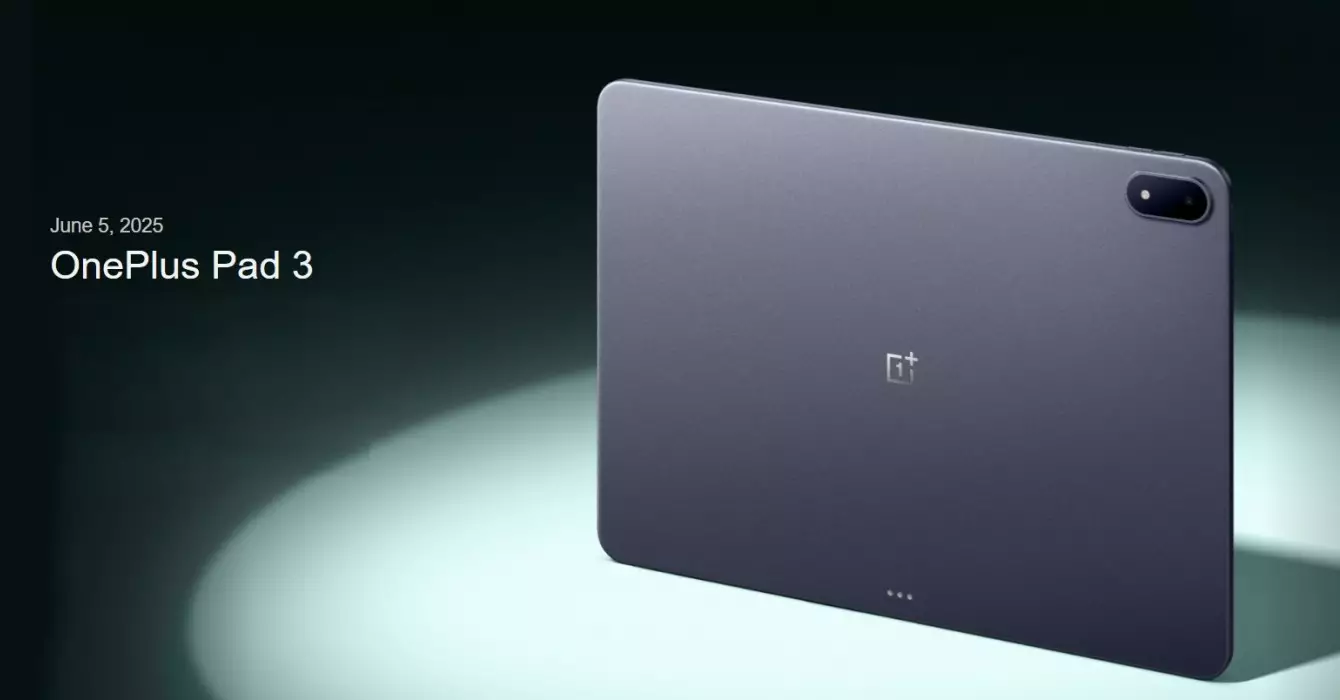
OnePlus is gearing up to launch its latest tablet, the OnePlus Pad 3, in select global markets on June 5. The company has officially confirmed the launch date and teased a glimpse of the tablet’s design, fueling excitement among tech enthusiasts. Powering the device will be Qualcomm’s flagship Snapdragon 8 Elite processor, promising top-tier performance and efficiency for users. Early indications suggest that the OnePlus Pad 3 might be a rebranded version of the OnePlus Pad 2 Pro, which debuted recently in China with a large 13.2-inch 3.4K LCD display and a robust 12,140mAh battery.

The upcoming tablet will launch globally with some enhanced features, including an upgraded Open Canvas multitasking interface that aims to improve productivity and allow seamless syncing with iOS devices. Available in a sleek Storm Blue finish, the OnePlus Pad 3 is already generating buzz through regional landing pages that have gone live in markets such as the US and Portugal. Customers in the US who pre-reserve the tablet will enjoy a $30 discount or even stand a chance to win a OnePlus 13R smartphone, adding value to the purchase.

Spec-wise, the OnePlus Pad 3 is expected to closely mirror the OnePlus Pad 2 Pro. It will likely feature a 13.2-inch LCD panel with an impressive 3,400 by 2,400 pixel resolution, a smooth 144Hz refresh rate, and support for Dolby Vision. Brightness could peak at around 900 nits, ensuring clear visibility even under bright conditions. Under the hood, the device may be equipped with up to 16GB of LPDDR5X RAM and 512GB of UFS 4.0 storage, running Android 15 customized with OnePlus’ ColorOS 15 for a refined user experience.

In terms of cameras and battery, the tablet is expected to come with a 13-megapixel rear shooter and an 8-megapixel front-facing camera suitable for video calls and content creation. The sizeable 12,140mAh battery promises long usage times and supports fast charging at 67W, minimizing downtime. Additionally, a sophisticated 34,857 square millimeter cooling system is likely to keep the device running smoothly during intensive tasks. Overall, the OnePlus Pad 3 appears poised to be a strong contender in the global tablet market when it launches next month.