Realme Confirms India Launch of GT 7 Dream Edition Alongside Standard GT 7

Realme is gearing up for the global launch of its GT 7 and GT 7T smartphones later this month, with India included among the key markets. Alongside these two models, the company has officially confirmed the release of a special Realme GT 7 Dream Edition. While detailed information about this Dream Edition remains limited, it is expected to feature a unique design that sets it apart from the standard GT 7, though it will likely share the same core specifications. The standard GT 7 model will be powered by the MediaTek Dimensity 9400e chipset, promising robust performance.

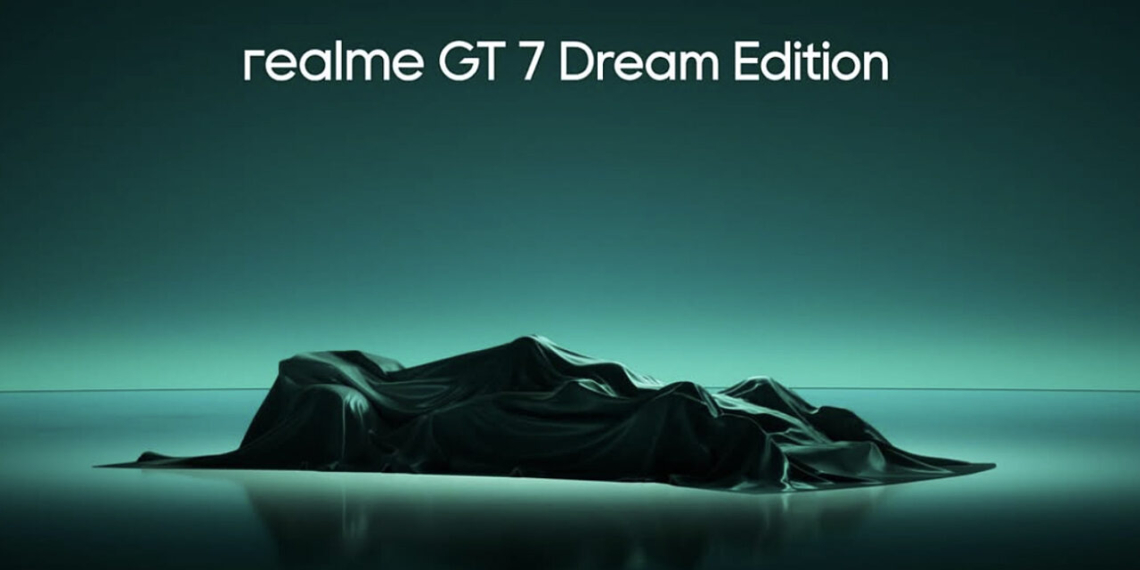
On Friday, Realme took to X (formerly Twitter) to tease the Indian launch of the GT 7 Dream Edition, revealing that the handset will be unveiled together with the standard GT 7 and GT 7T on May 27 at 1:30 PM IST. The teaser image hinted at a racing-inspired design, showing what appears to be a covered Formula 1 car, suggesting the special edition may draw design cues from motorsport themes. Additionally, the Dream Edition might offer exclusive customization options such as unique icons, themes, and packaging to enhance its appeal.

Following the brand’s tradition with special edition devices, the Realme GT 7 Dream Edition will likely differentiate itself with distinctive aesthetic elements while maintaining the same hardware and internal features as the regular GT 7. Realme has already announced that the GT 7 will come in two color variants: IceSense Blue and IceSense Black. The phone will be equipped with a large 7,000mAh battery supporting 120W fast wired charging, ensuring long usage and quick recharge times.

The Realme GT 7 is rumored to sport a 6.78-inch LTPS AMOLED display with a 1.5K resolution and a smooth 120Hz refresh rate. The screen is expected to deliver impressive brightness levels, reaching up to 6,000 nits at peak. For photography, the phone could feature a versatile triple rear camera setup including a 50-megapixel primary sensor, a 50-megapixel telephoto lens, and an 8-megapixel ultra-wide camera, offering users a wide range of shooting options.

Tipster Reveals Samsung Developing AI-Based Image-to-Video Technology

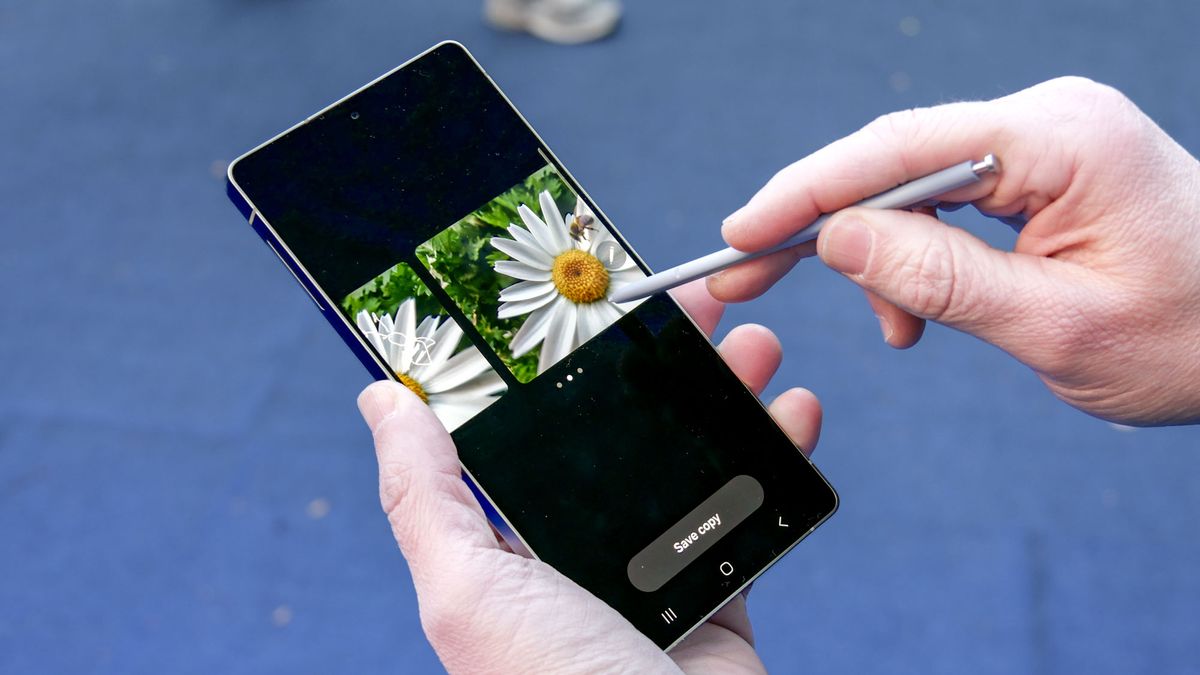
Samsung is reportedly developing an innovative AI-powered feature that can transform still images into short videos. According to a tipster, this new technology will enable users to convert any photo from their gallery into a few-second-long video clip. Although detailed information about how the feature will work remains scarce, it is expected to be integrated into Samsung’s Galaxy AI suite and may debut alongside the upcoming One UI 8.0 software update.

The tip about Samsung’s image-to-video capability came from PandaFlash on X (formerly Twitter), who revealed that the feature aims to generate brief videos using just a single image as input. This suggests an advancement beyond simple photo animation, potentially allowing for more dynamic and lifelike video content. However, specifics such as the AI model behind this tool or the range of effects it can produce have yet to be disclosed.

This development closely follows similar announcements from other brands, including the Honor 400 series, which introduced an AI feature capable of creating up to five-second videos from images. TikTok also recently launched “AI Alive,” a tool that animates photos in creative ways. Both of these features primarily enhance images by adding motion, rather than generating fully new video content from scratch. Honor’s solution is reportedly powered by Google’s Veo 2 video generation model, leading to speculation that Samsung might leverage the same technology given its recent partnership with Google on Galaxy S24’s Circle to Search feature.

If implemented, Samsung’s AI video generation tool would expand the multimodal capabilities of Galaxy AI, which already supports generating images from text or image prompts. Introducing video generation would mark a significant step forward for the platform, enabling more immersive content creation directly from users’ photo libraries. The feature is anticipated to arrive as part of the One UI 8.0 update, adding fresh AI-driven creativity tools to Samsung’s flagship ecosystem.

Windsurf Unveils SWE-1 AI Models for End-to-End Software Development

Windsurf, a pioneering AI platform known for its no-code or “vibe coding” approach, has launched a new series of AI models designed to revolutionize software engineering. The SWE-1 series, unveiled on Thursday, aims to go beyond simple code generation to handle complex development tasks that typically require human-level understanding and reasoning. This lineup includes three models: SWE-1, SWE-1-lite, and SWE-1-mini, each tailored to different user needs and scenarios. While the lite and mini versions are accessible to all Windsurf users, the advanced SWE-1 model is reserved for subscribers, with pricing and availability details still to be announced.

In a recent blog post, the California-based company explained that the SWE-1 models mark a significant shift in the capabilities of coding AI. Unlike most existing models that primarily focus on writing code that compiles and passes tests, SWE-1 is built to emulate broader software engineering functions. These include operating across command-line interfaces, interpreting user feedback, and managing tasks over extended periods—abilities that reflect the real-world workflows of software developers.

The SWE-1 frontier model, considered the flagship of the series, reportedly matches the performance of Anthropic’s Claude 3.5 Sonnet and includes advanced features such as tool-calling and complex reasoning. Windsurf also emphasized that their model will be offered at a lower price point compared to Anthropic’s equivalent, potentially making powerful AI coding assistance more accessible to developers.

On the other hand, SWE-1-lite serves as a lightweight option for routine coding needs, offering unlimited usage for users across all tiers. The SWE-1-mini focuses on low-latency performance, making it ideal for real-time coding tasks where quick response times are critical. Together, these models aim to cater to a broad spectrum of developers, from casual users to those requiring more sophisticated AI-driven engineering support.