TDK Prepares Slim Batteries Tailored for AI-Powered iPhones

TDK is gearing up to launch a new generation of batteries designed to support smartphones handling AI-related tasks, just as major client Apple prepares to release a slimmer iPhone model. The Tokyo-based company plans to begin shipping its third generation of silicon-anode batteries by the end of June, ahead of its initially planned September timeline. This early shipment could allow smartphone manufacturers to incorporate these advanced batteries into thinner devices set to launch later this year.

The company’s CEO, Noboru Saito, expressed optimism about the progress and timing, suggesting that some handset makers might adopt the new battery technology sooner than expected. TDK’s innovation focuses on replacing the conventional graphite anode with silicon, which allows the batteries to store 15% more energy within the same physical space. This advancement supports the trend of creating slimmer devices without compromising battery life, a critical factor as AI features increasingly demand more power.

Recent smartphone releases reflect this shift toward thinner designs enabled by better battery technology. For instance, Samsung unveiled its Galaxy S25 Edge, which is notably slimmer than its predecessor, the S25 Ultra, while offering enhanced AI-driven camera features. Similarly, Apple is anticipated to introduce the iPhone 17 Air, showcasing a fresh industrial design that emphasizes reduced thickness and may set the stage for future slim devices from the company.

Both Apple and Samsung are significant customers for TDK, accounting for roughly 10% each of the company’s total revenue. While TDK has not revealed the pricing or specific clients for the new batteries, CEO Saito mentioned that the company is willing to supply this technology to any customer who recognizes its benefits. This move could further accelerate the adoption of silicon-anode batteries across the smartphone industry, particularly as AI capabilities become more integral to mobile devices.
Nothing Phone 2 Receives Update Featuring Privacy Space, Enhanced Stability, and Up-to-Date Security Patch

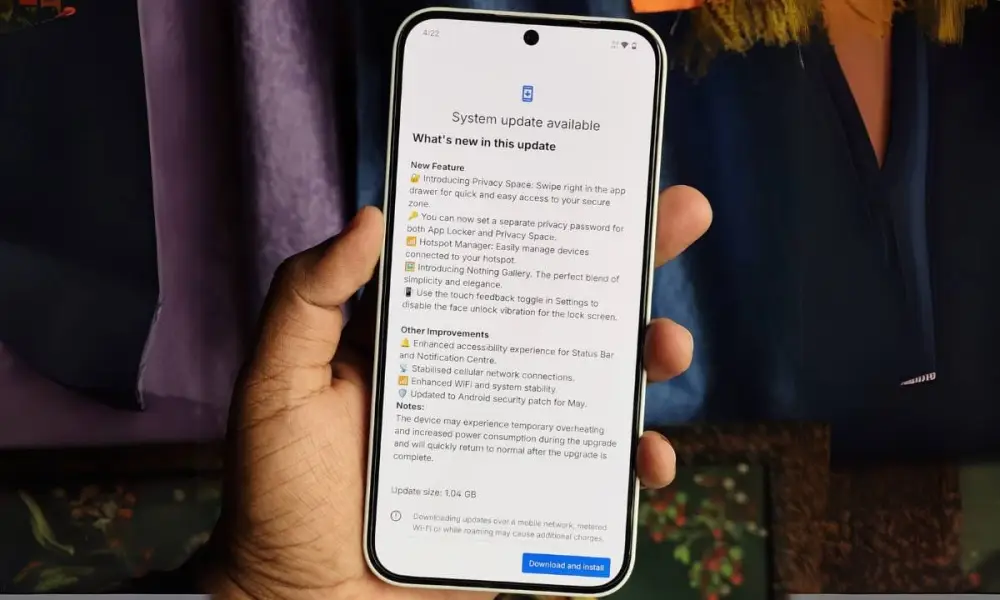
Nothing has begun rolling out a new operating system update for its flagship Nothing Phone 2, introducing a mix of fresh features alongside performance and stability enhancements. Among the most notable additions is the new Privacy Space feature, designed to function like a digital safe where users can securely store sensitive apps and data away from prying eyes. Alongside this, Nothing has launched its native Nothing Gallery app, which serves as an alternative media manager to Google Photos, offering improved search capabilities and editing tools.

The update is being distributed gradually worldwide, and users can check for it by navigating to Settings > System > System Updates and selecting Download and Install. Nothing announced the rollout via its official X (formerly Twitter) account, highlighting Privacy Space’s ability to hide apps such as banking, finance, or social media applications. Users activate this feature with a simple swipe from the app drawer, and it requires a separate password to access, ensuring a higher level of privacy and security. This addition builds on Android 15’s Private Space functionality, which the Phone 2 lacked in its earlier Android 15-based Nothing OS 3.0 update from December 2024.

Besides Privacy Space, the new Nothing Gallery app brings advanced features like enhanced search, filters, markup tools, and personalized suggestions, making it easier for users to organize and edit their photos and videos. The update also introduces a toggle to disable the face unlock vibration feedback on the lock screen, giving users more control over their device’s tactile responses. These refinements show Nothing’s focus on improving the overall user experience with small but impactful tweaks.

Under the hood, the update packs various performance and stability improvements. The launcher animations have been optimized to speed up app launches, cellular network connections have been stabilized, and Wi-Fi performance has been enhanced for more reliable connectivity. Additionally, accessibility features for the Status Bar and Notification Center have been improved, further rounding out a comprehensive update designed to refine both the phone’s usability and security.

Google One Surpasses 150 Million Subscribers Fueled by AI Enhancements

Alphabet’s Google One subscription service recently hit a major milestone, surpassing 150 million subscribers worldwide. This marks a significant growth of 50% since February 2024, when the service had just reached 100 million users. Google One offers cloud storage along with a suite of artificial intelligence-powered features that appeal to consumers looking for enhanced capabilities beyond simple file storage.

In February 2024, Google introduced a premium $19.99 per month plan that includes advanced AI tools unavailable to free users or those on lower-priced tiers. This new AI-focused subscription tier has already attracted millions of subscribers, highlighting the increasing demand for AI-powered services. While Google continues to offer more affordable storage-only plans, it is clear that the AI features are a key driver of recent growth in Google One’s user base.

Google One is a strategic part of Alphabet’s broader plan to diversify its revenue streams beyond advertising, which currently accounts for over 75% of the company’s annual revenue. With the rise of AI technologies and shifting user behaviors, Alphabet is investing heavily in subscription services like Google One to build more sustainable and varied sources of income in the future.

This growth in subscriptions comes amid increasing competition in the AI space, including the rise of AI chatbots like OpenAI’s ChatGPT and Google’s own Gemini. These technologies are reshaping how people search and interact online, challenging Alphabet’s dominance in the search engine market. For instance, Apple’s Safari browser recently experienced a drop in search volumes for the first time ever, as Apple prepares to launch AI-powered search features, signaling a new front in the ongoing competition between tech giants.