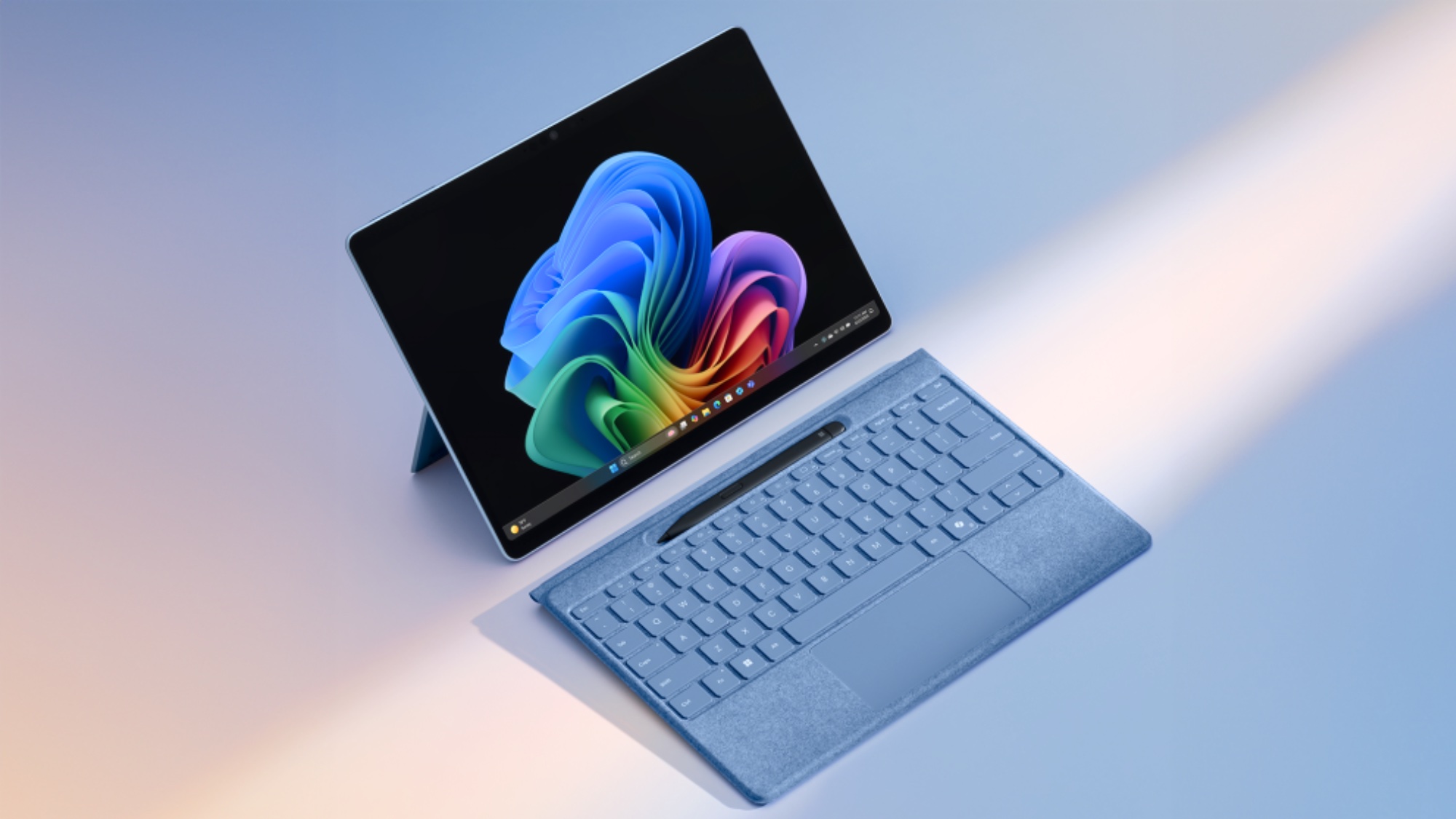
Microsoft Surface Pro and Surface Laptop Featuring ARM-Based Chips Expected to Arrive in 2026

Microsoft is reportedly planning to introduce Arm-based processors from AMD in its next-generation Surface devices, according to recent leaks. These new models are expected to succeed the Surface Laptop 7 and Surface Pro 11, potentially launching in 2026. This move would mark a shift for Microsoft, which currently offers Surface products powered by Qualcomm’s Snapdragon X series chips as well as Intel’s x86 processors. The upcoming Arm-powered devices could come at a more affordable price point, aiming to attract users looking for budget-friendly options with efficient performance.

Details shared on the NeoGAF forums suggest that AMD is developing a new Arm-based APU, codenamed Sound Wave, specifically for Microsoft’s Surface lineup. This chip is said to be manufactured using TSMC’s advanced 3nm fabrication process, promising improvements in power efficiency and performance. The Sound Wave processor is expected to feature two high-performance cores alongside four efficiency cores, along with a 128-bit LPDDRx-9600 RAM controller. Reports indicate that Surface laptops with this APU might come equipped with 16GB of RAM, targeting users who require a balance of power and efficiency.

If these rumors hold true, the addition of AMD’s Arm-based chips could significantly expand the range of Windows on Arm (WoA) devices available next year. While Microsoft has offered Snapdragon-powered Surface devices for several years, this would be the first time AMD chips appear in a Surface PC since the company’s previous use of AMD hardware. The new processors could help Microsoft diversify its portfolio by offering a mix of affordable, low-power laptops alongside its premium Intel-based lineup.

This development also reflects a broader industry trend towards Arm architectures, which provide improved battery life and energy efficiency compared to traditional x86 chips. By adopting AMD’s Sound Wave processors, Microsoft could better compete in the growing market for lightweight, portable devices designed for everyday productivity and casual use. For customers, this means more choice and potentially lower prices without sacrificing performance or battery life.
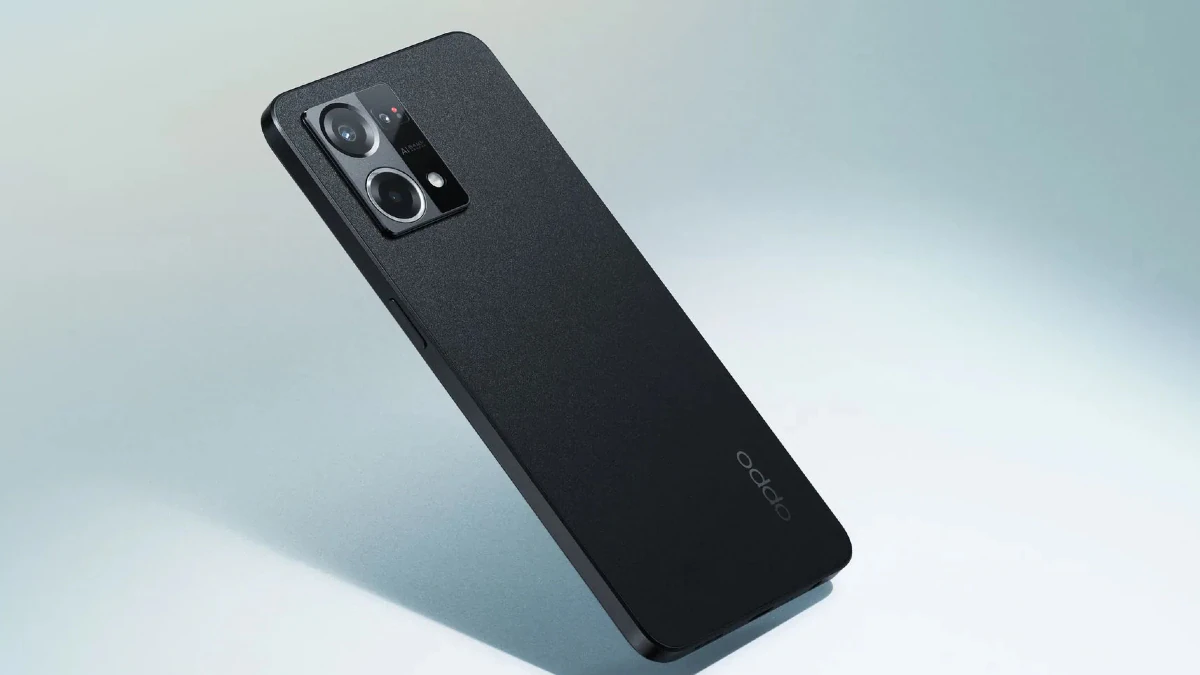

Oppo A5 5G, A5, and A5x Surfaced Online with Detailed Specs and Colour Variants

Oppo has officially listed the A5, A5 5G, and A5x models on its website, revealing a comprehensive look at the design, specifications, and available configurations of these budget-friendly smartphones. All three models sport a large 6.67-inch display, with the A5 and A5x offering up to a 90Hz refresh rate, while the A5 5G model bumps it up to 120Hz for a smoother experience. Battery life will not be an issue, as each phone is equipped with a hefty 6,000mAh battery paired with support for 45W fast wired charging, ensuring prolonged usage and quick top-ups.

Under the hood, the Oppo A5 5G is powered by the MediaTek Dimensity 6300 chipset, a popular mid-range SoC for 5G-enabled devices. The Oppo A5 and A5x, on the other hand, are driven by the Snapdragon 6s Gen 1 4G chipset, making them slightly more oriented towards 4G connectivity. This distinction highlights Oppo’s strategy to cater to different user needs depending on their network requirements. Both chipsets are paired with ample RAM and storage options, providing flexibility for various usage patterns.

In terms of memory and storage, the Oppo A5 comes in configurations ranging from 6GB to 8GB of RAM, coupled with 128GB to 256GB of internal storage. It’s available in Aurora Green, Midnight Purple, and Mist White. The A5 5G offers 4GB to 8GB RAM with 128GB to 256GB storage options, available in Aurora Green and Mist White. Meanwhile, the A5x comes with slightly smaller options starting at 4GB RAM and 64GB storage, and offers Laser White and Midnight Blue as color variants. These choices give consumers multiple price and performance points to consider.

The Oppo A5 runs on Android 15 with the company’s ColorOS 15.0 skin on top, featuring a 720×1604 HD+ display protected by Corning Gorilla Glass 7i. Photography-wise, the A5 includes a dual rear camera setup with a 50MP main sensor and a 2MP depth sensor, supported by a 5MP front-facing camera for selfies. The phone also carries an IP65 rating for dust and splash resistance, making it a durable option for everyday use. Overall, Oppo’s A5 series aims to balance strong battery life, solid performance, and affordable pricing in a competitive segment.

Meta Requests Court to Dismiss FTC’s Monopoly Allegations Due to Insufficient Evidence

Meta Platforms, the parent company of Facebook, has requested a federal judge to dismiss the ongoing antitrust case brought by the U.S. Federal Trade Commission (FTC). The FTC alleges that Meta holds an illegal monopoly in the social media market, particularly through its acquisitions of Instagram and WhatsApp. However, Meta argues that the agency has failed to provide sufficient evidence to support these claims in the trial, which has been unfolding since mid-April in Washington, D.C.

The FTC’s case centers on the idea that Meta, formerly known as Facebook, unlawfully maintained its dominance by purchasing potential competitors, thereby stifling competition in the social media space. The agency seeks to reverse these acquisitions, which occurred over ten years ago, aiming to restore competition. Meta counters this by asserting that these acquisitions did not create a monopoly, and instead, the company has faced growing competition, especially from newer platforms like TikTok.

During the trial, Meta highlighted evidence showing that WhatsApp, one of its acquisitions, did not have ambitions to become a direct competitor to Facebook at the time of purchase. Furthermore, Meta presented testimony suggesting that Instagram actually experienced significant growth following its acquisition. Meta also stressed that the FTC failed to demonstrate a clear distinction between various social media apps focused on friends-and-family sharing — such as Facebook, Instagram, and Snapchat — and TikTok, a platform that Meta claims has pushed it to innovate and adapt.

If the judge grants Meta’s motion to rule on the current evidence, the trial could conclude much sooner, potentially ending before June. However, the court could also decide to let the trial continue with both parties presenting further evidence. As the legal battle continues, the outcome could have significant implications for how major tech companies operate and acquire rivals in the competitive social media landscape.