SpaceX Boosts Global Connectivity with Launch of 26 More Starlink Satellites
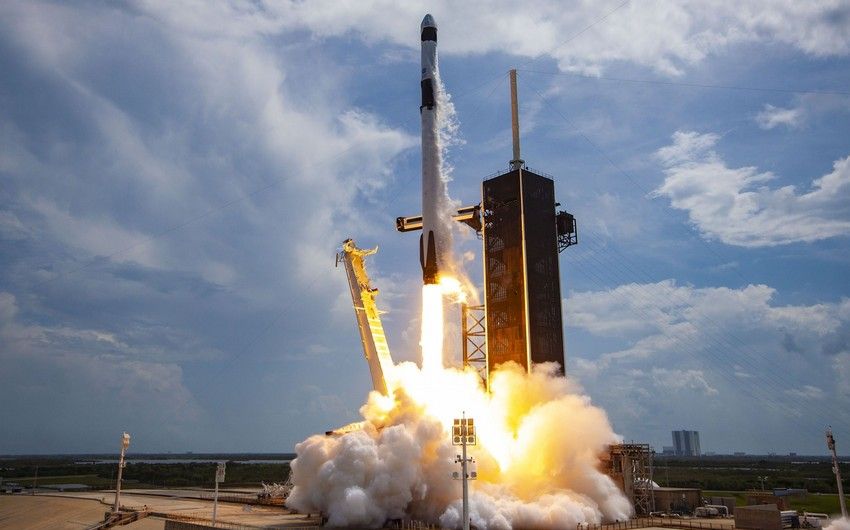
SpaceX successfully completed another milestone in its mission to expand global internet access, launching 26 additional Starlink satellites into low Earth orbit on Thursday night, June 12. The launch took place at 9:54 p.m. EDT from Launch Complex 4 East at Vandenberg Space Force Base in California. Roughly an hour after liftoff, the satellites were deployed into orbit, pushing the total number of active Starlink satellites to over 7,600—further solidifying SpaceX’s dominance in satellite-based broadband services.
The mission, designated as Starlink Group 15-6, was powered by a Falcon 9 rocket whose first-stage booster (B1081) made its 15th flight—another testament to SpaceX’s unmatched reusability strategy. After successfully completing its mission, the booster executed a precise landing on the droneship Of Course I Still Love You, stationed in the Pacific Ocean. With SpaceX’s record for booster reusability standing at 28 flights, the company continues to push the boundaries of cost-effective and sustainable orbital launches.
This particular mission marked SpaceX’s 72nd Falcon 9 launch of the year, with 53 of those specifically dedicated to Starlink. The expanding satellite network is designed to deliver high-speed internet across the globe, with new capabilities like direct-to-cell service already being tested. These advancements aim to improve connectivity in underserved and remote regions, allowing users with compatible smartphones or compact satellite dishes to access internet and messaging services without traditional infrastructure.
Looking ahead, SpaceX is not only reinforcing Starlink’s global footprint but also paving the way for next-gen applications such as real-time communications for emergency services and in-flight Wi-Fi for airlines. With dozens more launches planned, the Starlink megaconstellation is rapidly shaping the future of broadband—bringing connectivity to corners of the world that were previously out of reach.