
U.S. Secretly Embeds Trackers in AI Chip Shipments to Detect Diversions to China

U.S. authorities have placed hidden location trackers in select shipments of advanced AI chips to monitor potential illegal diversions to China. The tactic, previously unreported, targets high-risk shipments and aims to enforce export restrictions on companies like Nvidia, AMD, Dell, and Super Micro. Trackers are embedded in packaging and sometimes inside the servers themselves, enabling investigators to track products and build cases against violators. The Department of Commerce, FBI, and Homeland Security Investigations may all be involved. While U.S. officials see it as a law enforcement tool, Chinese authorities have criticized such measures as attempts to control technology access.

Amazon Expands Same-Day Delivery to Perishable Foods to Compete with Instacart and Walmart

Amazon Prime subscribers can now receive perishable items—including strawberries, milk, meats, and frozen meals—on the same day they order, as the company expands its fast-delivery service. The option is free for Prime members on orders over $25 and available to non-members for a $12.99 fee. Previously, perishable groceries were delivered via Amazon Fresh or Whole Foods, often requiring an additional subscription fee.

The service is currently available in over 1,000 U.S. cities, with plans to expand to 2,300 by year-end. Analysts say the lower order threshold and inclusion of groceries in Prime could attract more members and pressure competitors like Instacart, Walmart+, DoorDash, and Uber Eats. Amazon has invested $4 billion to expand same-day and next-day delivery across rural U.S. communities.

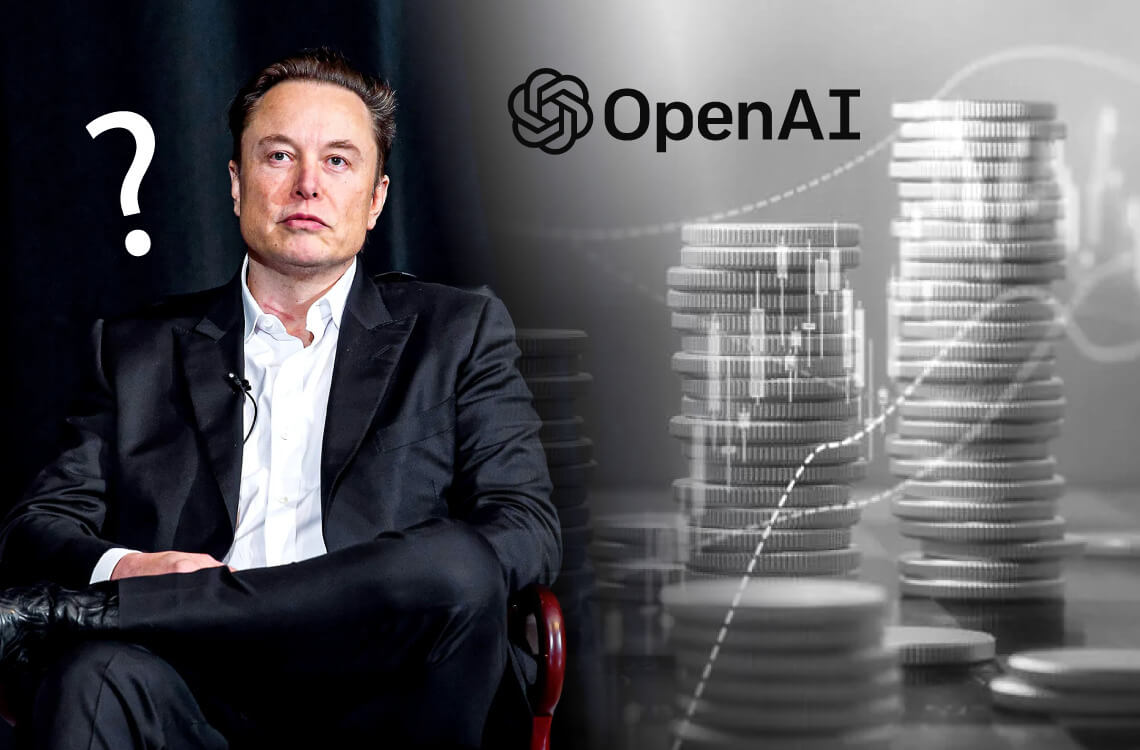
Court Denies Musk’s Bid to Dismiss OpenAI Harassment Claims

A federal judge has rejected Elon Musk’s attempt to dismiss OpenAI’s claims that he conducted a “years-long harassment campaign” against the AI startup he co-founded in 2015. U.S. District Judge Yvonne Gonzalez Rogers ruled that Musk must face allegations that he sought to harm OpenAI through press statements, social media posts, legal claims, and a “sham bid” for the company’s assets.

Musk originally sued OpenAI and CEO Sam Altman over the company’s shift to a for-profit model, claiming it strayed from its mission of developing AI for humanity’s benefit. OpenAI countersued in April, alleging fraudulent business practices under California law. The judge found the countersuit legally sufficient to proceed. A jury trial is scheduled for spring 2026.