
Sony Moves 2.5M PS5 Consoles in Q1 FY2025, Boosts Profit Outlook
PS5 Sales Up 4% Year-on-Year in Latest Quarter Devamını Oku

PS5 Sales Up 4% Year-on-Year in Latest Quarter Devamını Oku

Tesla CEO Elon Musk announced that the company will streamline its AI chip research to concentrate primarily on developing inference chips designed to run AI models and enable real-time decision-making. This follows reports that Musk ordered the disbandment of the in-house Dojo supercomputer team, with its leader, Peter Bannon, leaving the company.
The Dojo supercomputer, built around custom training chips, was originally created to process vast data from Tesla electric vehicles to train its autonomous driving software. Musk stated on X that it no longer makes sense for Tesla to split resources between two distinct AI chip designs. Instead, all efforts will now focus on Tesla’s AI5, AI6, and subsequent chips, which are optimized for inference tasks and still capable of training AI models effectively.
Analysts, including Morgan Stanley’s Adam Jonas, had previously valued the Dojo supercomputer at $500 billion in 2023, viewing it as a key growth driver for Tesla beyond vehicle sales, comparable to Amazon’s cloud business. It remains unclear how this restructuring will impact Tesla’s valuation.
Industry-wide, tech companies are consolidating custom chip development to reduce latency, power consumption, and costs while focusing on fewer architectures. Tesla’s recent restructuring includes executive departures, job cuts, and a strategic pivot toward AI-driven self-driving technology and robotics, with Musk aiming for synergy across his technology ventures.
Musk has announced plans for next-generation AI5 chips targeted for production by the end of 2026 and revealed a $16.5 billion contract with Samsung Electronics to supply AI6 chips. These chips are expected to power Tesla’s autonomous vehicles and Optimus humanoid robots, with potential for broader AI applications due to their substantial compute capabilities.
According to Bloomberg, around 20 Dojo team members have already left to join the startup DensityAI, while remaining staff are being reassigned within Tesla to other compute and data center projects.
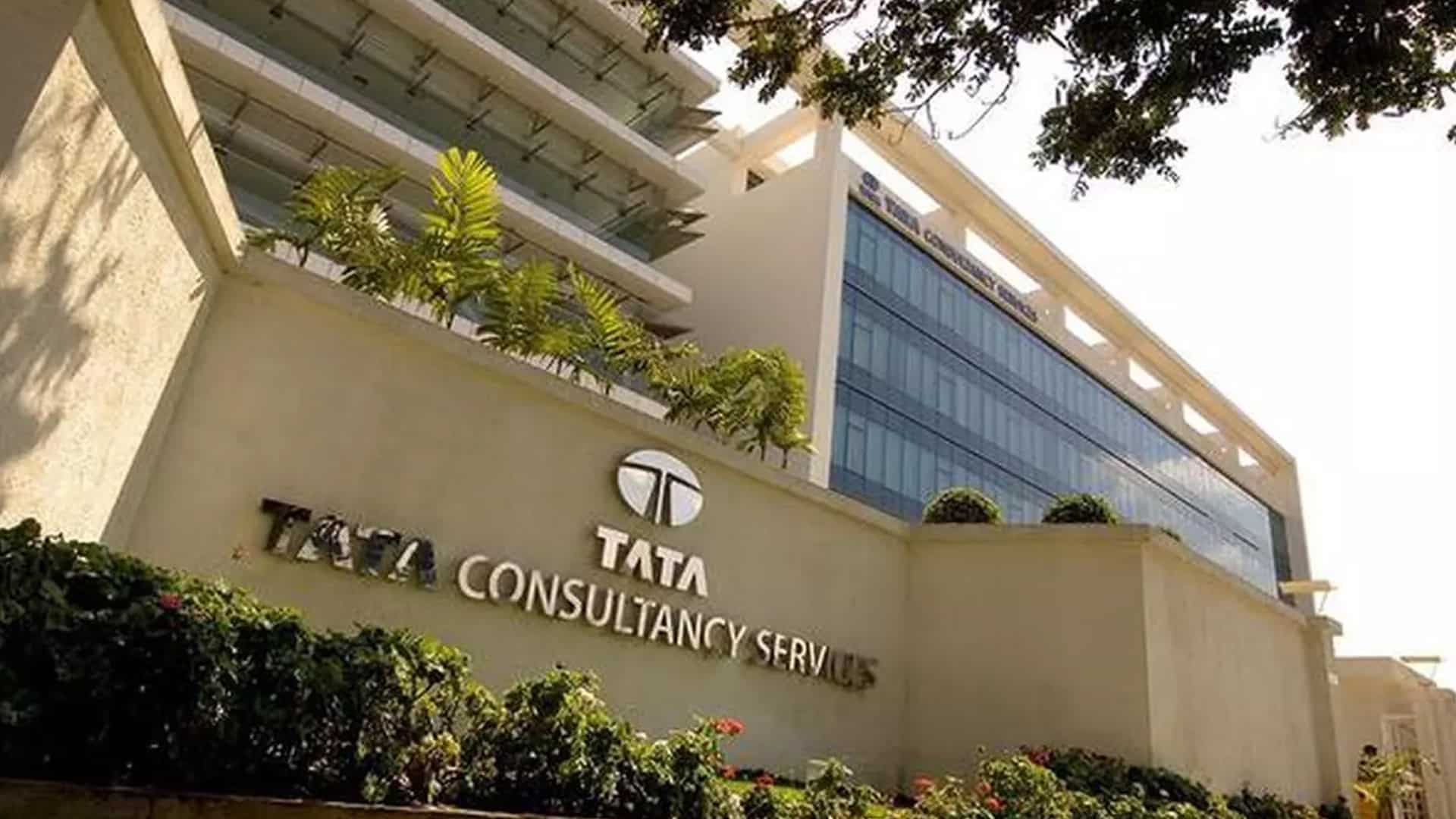
Indian IT giant Tata Consultancy Services (TCS) recently announced layoffs of over 12,000 employees, marking the largest workforce reduction in its history and signaling a broader AI-fueled shakeup expected to affect up to half a million jobs in India’s $283 billion outsourcing industry over the next two to three years.
Though TCS attributes the layoffs—about 2% of its workforce—to skill mismatches rather than direct AI impacts, experts see this move as the beginning of significant structural changes in a sector that employs 5.67 million people and contributes more than 7% to India’s GDP. AI technologies are increasingly automating roles across coding, manual testing, and customer support, reducing the need for labor-intensive processes.
Industry veterans and analysts warn that the most vulnerable employees include mid-career managers with limited technical skills, software testers, bug finders, and infrastructure support staff. Gaurav Vasu, founder of tech market intelligence firm UnearthInsight, estimates that 400,000 to 500,000 professionals could be laid off in the next few years due to skill gaps, with around 70% of the layoffs impacting workers with 4-12 years of experience.
The layoffs may also have broader economic repercussions, potentially dampening consumer spending in sectors like tourism, luxury retail, and real estate investments due to reduced disposable incomes among affected workers.
TCS and other major Indian IT firms such as Infosys, HCLTech, Tech Mahindra, Wipro, LTIMindtree, and Cognizant collectively employ hundreds of thousands of mid- to senior-level professionals who may face increased risk as AI adoption intensifies. Cost optimization demands from clients, alongside AI-driven productivity improvements, are pressuring IT companies to deliver more with fewer employees.
TCS, which had over 613,000 employees before the layoffs, said it is “future-ready” by investing in new technologies, AI adoption, new markets, and realigning its workforce. However, it has not clarified the extent to which AI automation directly influenced the layoffs or how displaced employees will be redeployed.
The layoffs and other internal policies have negatively impacted employee morale, with some mid-career staff citing difficulties in finding new jobs and dissatisfaction over bonuses, bench time policies, and project assignments.
The Indian outsourcing sector, a key driver of economic mobility since the 1990s, now faces a pivotal moment as AI and automation reshape how work is done. Industry body Nasscom described the sector as being “at an inflection point,” while former Tech Mahindra CEO CP Gurnani emphasized that unlike past technological shifts, AI demands individuals to reinvent and reskill themselves to stay relevant.