Chime Surpasses Revenue Forecasts in First Earnings After Blockbuster IPO

Chime reported second-quarter revenue that exceeded Wall Street expectations, marking a strong debut earnings report following its highly successful U.S. IPO in June. The digital banking firm generated $528 million in revenue for the three months ended June 30, up 37% from a year earlier and above analysts’ average forecast of $495.2 million, according to LSEG data.

The strong performance was driven by growing demand for Chime’s low-cost, digital-first financial services, which appeal especially to younger U.S. customers seeking alternatives to traditional banks with high fees and limited flexibility. Average revenue per active member rose 12% year-over-year to $245.

Purchase volume, representing transactions through Chime-branded debit and credit cards, increased 18% to $32.4 billion. The company’s CEO, Chris Britt, described the quarter as a “breakout” period, citing accelerating growth, expanding margins, and consistent product execution.

Chime’s offerings include a secured credit card for credit building, early direct deposit access, small-dollar loans, and a deposit sweep program that spreads funds across partner banks. Its payments-based banking model targets everyday Americans who often rely on debit transactions and have limited credit histories.

Gross profit for the quarter rose to $461 million from $333.7 million a year earlier, reflecting both higher transaction activity and consumer resilience in spending despite broader economic uncertainty. Since its IPO, Chime’s shares have risen about 25%, though they experienced minor volatility in after-hours trading.
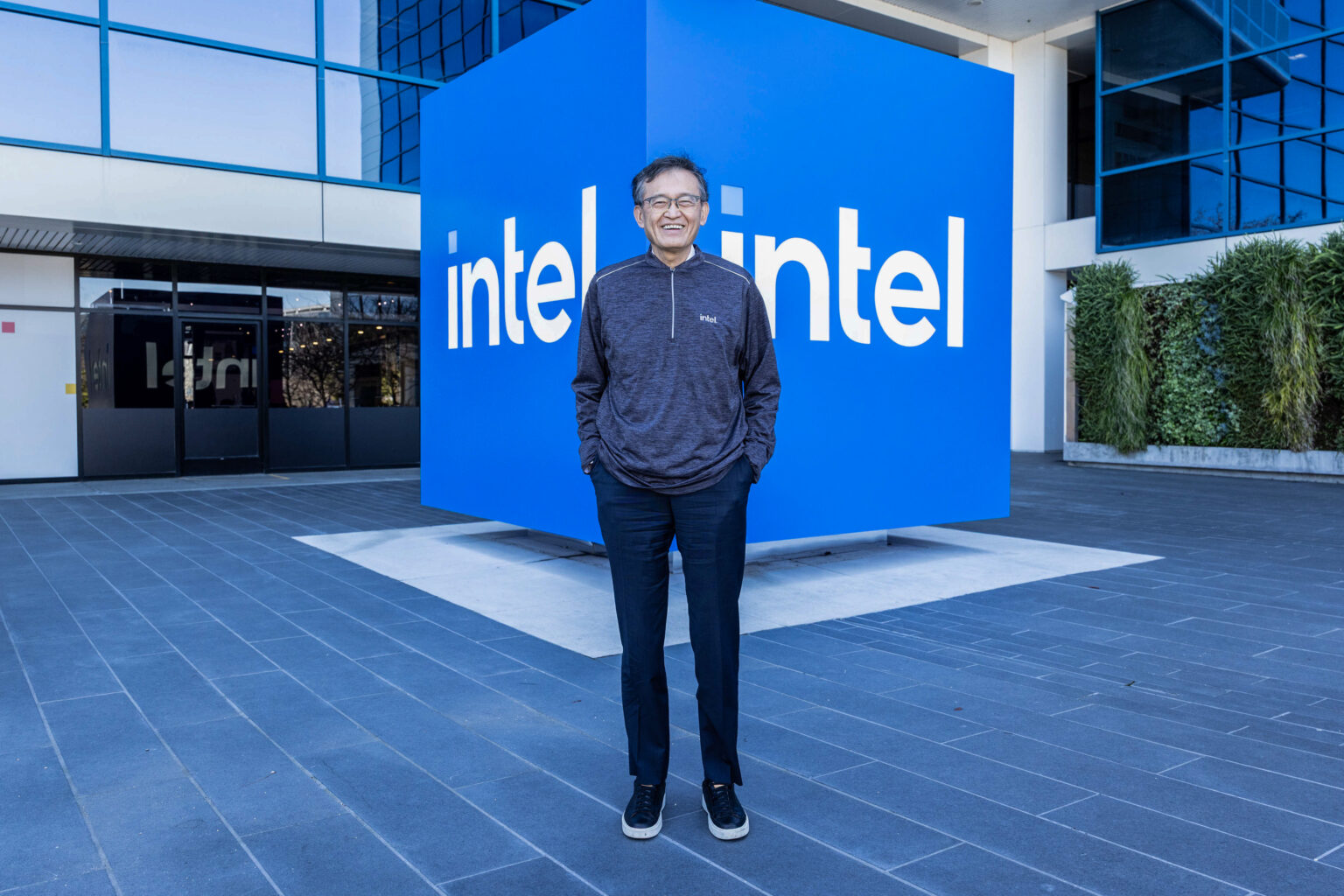

Trump’s Call for Intel CEO Lip-Bu Tan’s Resignation Sparks Mixed Reactions

U.S. President Donald Trump has called for the immediate resignation of Intel CEO Lip-Bu Tan, citing concerns over his extensive investments in Chinese technology companies — including at least eight with reported links to China’s People’s Liberation Army. The demand comes just months after Tan took over leadership of the struggling semiconductor giant.

According to an April Reuters investigation, Tan’s decades-long career includes hundreds of investments in Chinese firms, both personally and through venture funds he founded. On Wednesday, Reuters also reported that Senator Tom Cotton had raised questions about Tan’s ties to China and a recent criminal case involving his former company, Cadence Design Systems.

Reactions from analysts and investors have been sharply divided. Some view Tan’s knowledge of China’s semiconductor industry as an invaluable asset for Intel and the U.S., while others see Trump’s intervention as a sign of escalating political pressure and market uncertainty.

Key reactions:

  • Anshel Sag, Moor Insights & Strategy – Criticized Trump’s call, arguing that Tan’s deep understanding of China’s semiconductor capabilities could benefit Intel and the U.S., making him more valuable rather than less.

  • David Wagner, Aptus Capital Advisors – Said Trump’s move reflects his broader push to bring business back to the U.S., noting the momentum from the recent Apple deal.

  • Ryuta Makino, Gabelli Funds – Suggested Trump’s motives may be tied to Intel’s manufacturing strategy and possible deals with TSMC, calling it “very much a political move.”

  • Blake Anderson, Carson Group – Warned that such political disputes highlight Intel’s reliance on external factors for its manufacturing turnaround, increasing long-term uncertainty.

  • Shiraz Ahmed, Sartorial Wealth – Noted that Trump has a history of publicly criticizing corporate leaders and predicted it will not be the last such intervention.

  • Phil Blancato, Ladenburg Thalmann – Called it a troubling precedent for presidents to dictate corporate leadership, but acknowledged Trump’s opinion carries weight. He added that Intel’s problems extend beyond its CEO and require “real, radical change.”

The Intel board has yet to respond publicly, but the controversy underscores the growing intersection of geopolitics and corporate governance in the U.S. technology sector.

Bumble shares drop as AI revamp fails to reverse paying user decline

Bumble’s stock tumbled 17% on Thursday after the dating app operator posted another quarterly drop in paying users, raising doubts about its AI-driven turnaround plan and long-term growth outlook.

The company revealed that total paying users fell 8.7% year-on-year to 3.8 million in Q2, despite efforts to enhance match quality and connect users with similar engagement levels and intentions.

In contrast, rival Hinge — owned by Match Group — has been outperforming thanks to its broader international presence and more competitive AI tools, which provide personalized matches and boost engagement. Analysts note that Hinge’s emphasis on authentic profiles and creative prompts has helped sustain stronger user retention rates.

Bumble is still in the early stages of its strategy to improve user experience, introducing AI-powered features to bolster trust and safety. However, analysts warn that the tighter verification measures could slow user and payer growth in the short term.

Citi analysts noted that visibility into future user and payer trends remains low, and that increased marketing and R&D spending could put pressure on margins into 2026.

Shares of the Austin-based company are down over 6% this year, currently trading at 7.96 times projected earnings for the next 12 months, compared with Match Group’s 14.64.