
Emerson Electric Raises Profit Forecast on Lower Tariff Costs, Strong Demand

Engineering solutions firm Emerson Electric (EMR.N) on Wednesday slightly increased its 2025 adjusted profit per share forecast to $6, citing reduced tariff-related cost risks and robust demand for its intelligent devices segment. Despite the positive outlook, the company’s shares fell over 7% in premarket trading.

Emerson’s intelligent devices business saw revenue rise 4% to $3.13 billion during the quarter, driven by increased demand for measurement, analytical components, and pressure-relief and safety valves. Overall quarterly net sales grew 4% to $4.55 billion, slightly below analyst expectations of $4.59 billion.

The company reported a third-quarter adjusted profit of $1.52 per share, narrowly beating the consensus estimate of $1.51 per share. Emerson attributed its updated sales guidance of approximately 3.5% growth to pricing actions supported by reduced tariff expense exposure.

Headquartered in St. Louis, Missouri, Emerson remains optimistic about steady growth supported by market demand and easing trade-related costs.
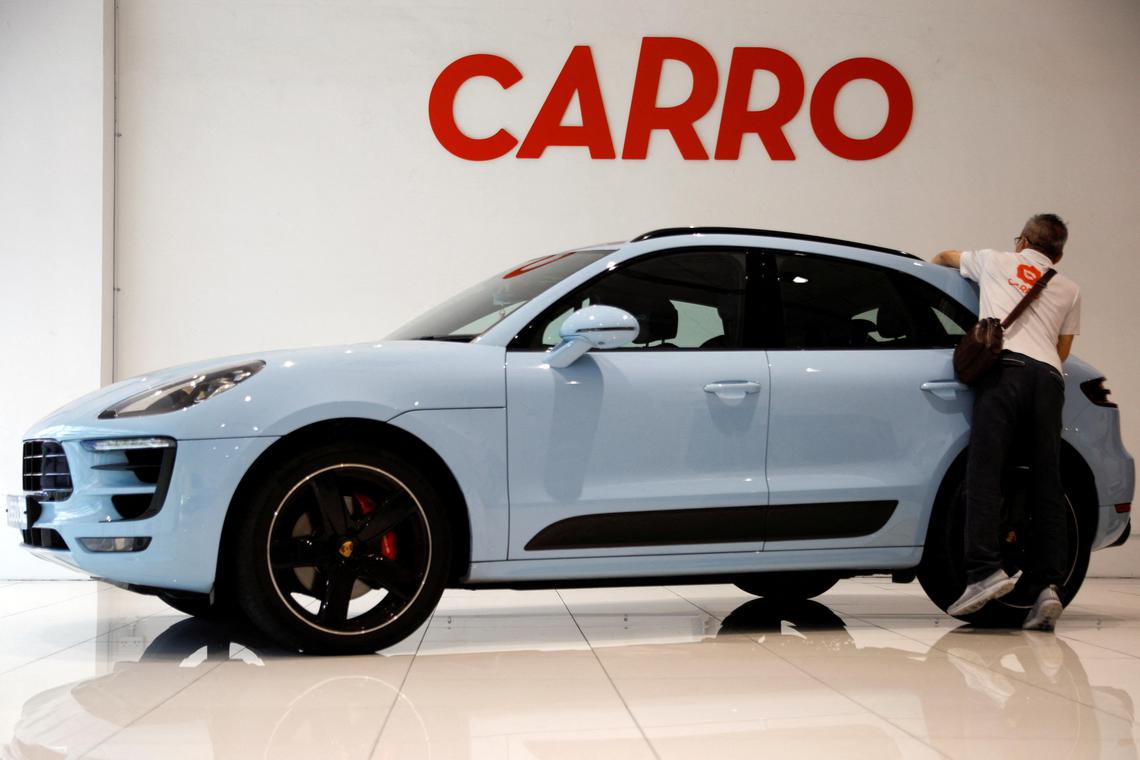
Singapore’s Carro Eyes US IPO with $3 Billion+ Valuation

Singapore-based Carro, the largest used-car online marketplace in Southeast Asia, is preparing for a U.S. initial public offering as early as 2026, targeting a valuation exceeding $3 billion and potentially raising up to $500 million, sources familiar with the matter told Reuters.

If successful, Carro’s IPO would be the largest Southeast Asian U.S. listing since SEA’s $989.3 million debut in 2017 and rank as the third largest Southeast Asian tech IPO in the U.S., according to LSEG data. It would also mark the first major automotive tech and AI-driven commerce startup from Singapore to go public in the U.S.

Carro is on track to generate $100 million in annual EBITDA by its fiscal year ending March 2026, one source said. The IPO size remains subject to change based on market conditions.

Founded in 2015, Carro operates a digital platform facilitating vehicle buying and selling for consumers and dealers, while providing insurance, financing, and after-sales services. It has expanded across the Asia-Pacific region, including Malaysia, Indonesia, Thailand, Japan, Taiwan, and Hong Kong.

With a workforce of over 4,500 employees, Carro has raised more than $1 billion in combined debt and equity funding from investors like Temasek, SoftBank, and other sovereign funds.

A successful IPO could open doors for other Southeast Asian unicorns such as Carsome, Traveloka, and Xendit to pursue U.S. listings. Meanwhile, Chinese companies continue to seek U.S. public markets, attracted by potentially higher valuations despite geopolitical challenges.

Snap Shares Plunge as Ad Glitch and Competition Stall Growth

Snap’s (SNAP.N) shares fell nearly 21.5% in early trading on Wednesday following a weak quarterly performance and intensifying competition, highlighting its ongoing challenge to keep pace with AI-driven rivals.

The company’s slowest revenue growth in over a year was driven by advertisers cutting marketing budgets amid economic uncertainty and favoring larger platforms like TikTok and Meta’s Facebook and Instagram. A glitch in Snap’s ad-buying platform, which caused ads to be delivered at discounted rates, also contributed to the slowdown. Although Snap’s revenue met estimates, it was a significant drop from the double-digit growth seen over the past five quarters. Snap’s market value could fall by approximately $3.24 billion if losses persist.

Analysts at MoffettNathanson noted advertisers prefer platforms with direct access to purchase-ready users, diverse marketing tools, and clear ROI metrics — areas where Snap currently lags.

Snap’s performance contrasts with competitors Meta and Reddit, which reported strong second-quarter results, driving their shares up by 30.3% and 21.8% respectively this year, compared to Snap’s 12% decline. Following the results, at least 14 brokerages cut Snap’s price target, bringing the median to $9.

Snap is betting on its Sponsored Snaps video ad format, rolled out more broadly in June across the U.S. and other markets, which has driven increased user engagement and actions.

Morgan Stanley analysts said, “For Snap to capitalize on improvements in engagement, it must better demonstrate ad efficacy to advertisers and reduce barriers to adopting its products.”