U.S. Agency Approves OpenAI, Google, and Anthropic for Federal AI Vendor List

The U.S. General Services Administration (GSA) has approved OpenAI’s ChatGPT, Google’s Gemini, and Anthropic’s Claude as official AI vendors for federal agencies, the agency announced Tuesday. This move supports the Trump administration’s push to expand AI adoption across government sectors.

The approvals come as part of a broader AI blueprint released on July 23, which seeks to ease environmental regulations and increase AI exports to allied countries to help the U.S. maintain its technological edge over China.

With the GSA’s approval, these AI tools will be accessible to federal agencies through a platform that streamlines contracts and usage terms. The agency emphasized that it prioritizes AI models that ensure truthfulness, accuracy, transparency, and freedom from ideological bias.

President Donald Trump has described the AI race as a defining challenge of the 21st century. His administration’s AI plan includes around 90 recommendations focused on promoting U.S. AI software and hardware exports, while rolling back state laws seen as restrictive to AI innovation.

This approach contrasts sharply with the Biden administration’s “high fence” policies, which placed more stringent safeguards on AI use within federal agencies, including monitoring and assessing AI’s impact on the public. Biden also signed an executive order aimed at fostering competition, protecting consumers, and combating misinformation—measures that were later rescinded by Trump.
Shein and Temu Outpace Global Retail Giants in South Africa’s Fashion Market

China-founded e-commerce retailers Shein and Temu have rapidly captured a combined 3.6% share of South Africa’s retail clothing, textile, footwear, and leather (CTFL) market, generating sales worth 7.3 billion rand ($405 million) in 2024, according to a new report.

Shein entered South Africa in 2020, with Temu following in 2024. Both companies have disrupted the local retail sector through aggressive pricing strategies, targeted marketing, and exploiting tax loopholes that initially gave them a competitive advantage over domestic retailers. The tax loopholes were closed last year after calls from local retailers and regulators.

The Localisation Support Fund (LSF) report highlighted a decline in domestic retailers’ market share of the CTFL sector, dropping from 75.3% in 2011 to 74% in 2024. Meanwhile, established international brick-and-mortar brands such as H&M, Zara, and Cotton On collectively hold a 3.4% share.

Shein and Temu together now control 3.6% of the overall CTFL market and a significant 37.1% of South Africa’s e-commerce CTFL market. Shein alone accounts for 28% of online ladies’ CTFL sales.

Sean Mercer, principal consultant at BMA, emphasized the speed of their rise: “Those international retailers have acquired this market share over 13 years, and Shein and Temu have managed to match and surpass this in just five years.”

Autopilot Verdict Hits Tesla’s Robotaxi Ambitions, Raises Safety Concerns

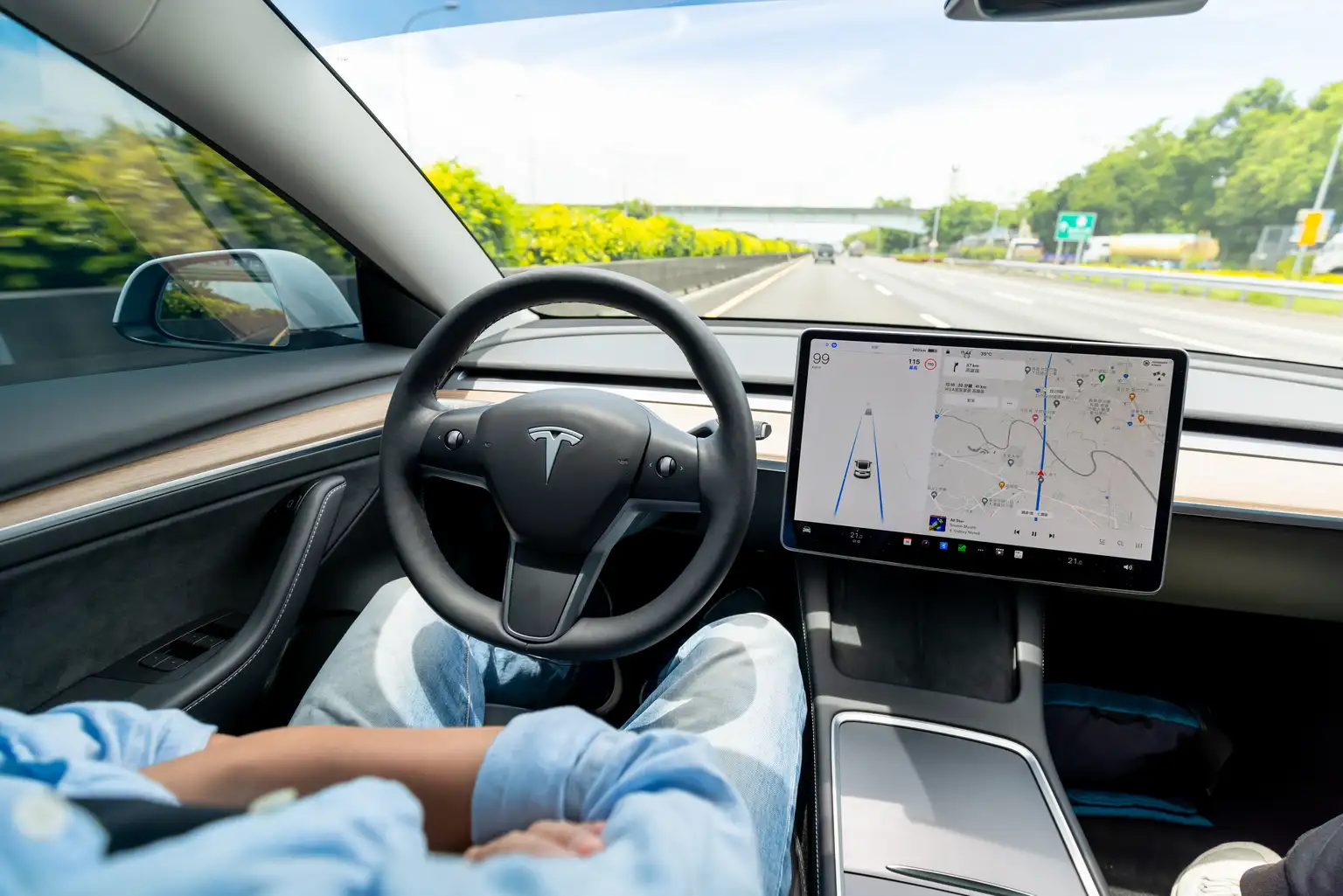
A Florida jury has ordered Tesla (TSLA.O) to pay approximately $243 million in damages following a fatal 2019 crash involving a Model S equipped with Autopilot driver-assistance software. The verdict, which found Tesla’s Autopilot system defective, poses a significant setback to CEO Elon Musk’s plans to rapidly expand the company’s robotaxi network across the U.S.

Tesla maintains that the driver was solely at fault and plans to appeal the decision. This ruling comes amid ongoing federal investigations and recalls linked to Tesla’s autonomous driving technology. It could intensify regulatory scrutiny, making it harder for Tesla to convince state authorities that its self-driving tech is safe and ready for broad deployment.

Experts say the verdict may increase pressure on regulators to impose stricter safety checks before approving autonomous vehicle services. Legal and industry analysts warn the ruling threatens Musk’s goal of offering robotaxi service to half of the U.S. population by year-end, a critical component as Tesla faces slowing demand for its older electric vehicle models and backlash over Musk’s political views.

Palantir’s software underpins Tesla’s robotaxi plans. Success will depend on earning regulators’ and consumers’ trust in the Full Self-Driving (FSD) software, an advanced system capable of city street navigation and autonomous maneuvers, building on the original Autopilot system used primarily on highways.

Tesla’s FSD updates have continued since 2019. Analysts at Piper Sandler noted that the verdict does not directly affect the latest versions of Tesla’s FSD software.

Regulatory and Industry Context:
Developing safe, fully autonomous vehicles has proven more challenging and costly than anticipated. Many companies, such as General Motors’ Cruise unit, have faced setbacks or changed strategy. Musk’s approach relies mainly on cameras and AI rather than expensive sensors like lidar and radar used by rivals such as Waymo and Zoox.

Tesla launched a limited robotaxi trial in June in Austin, Texas, deploying about a dozen Model Y SUVs monitored by safety drivers. Musk aims to rapidly scale this service nationwide, targeting coverage of half the U.S. population within months, contrasting with Waymo’s cautious multi-year rollout.

Tesla is currently seeking regulatory approval in multiple states, including California, Nevada, Arizona, and Florida. Officials have not commented on the verdict’s impact.

Case Details:
The lawsuit concerned a crash where a Tesla Model S, with Autopilot engaged, ran a stop sign and collided with a parked Chevrolet Tahoe. The driver admitted distraction but no alerts were received before the incident. The jury found Autopilot had a defect and held Tesla partly liable.

Tesla has historically won or settled most Autopilot-related lawsuits out of court. This verdict stands out and may influence several pending cases.

Investors and legal experts warn the ruling could delay regulatory progress and damage Tesla’s image at a critical time for its autonomous vehicle ambitions.