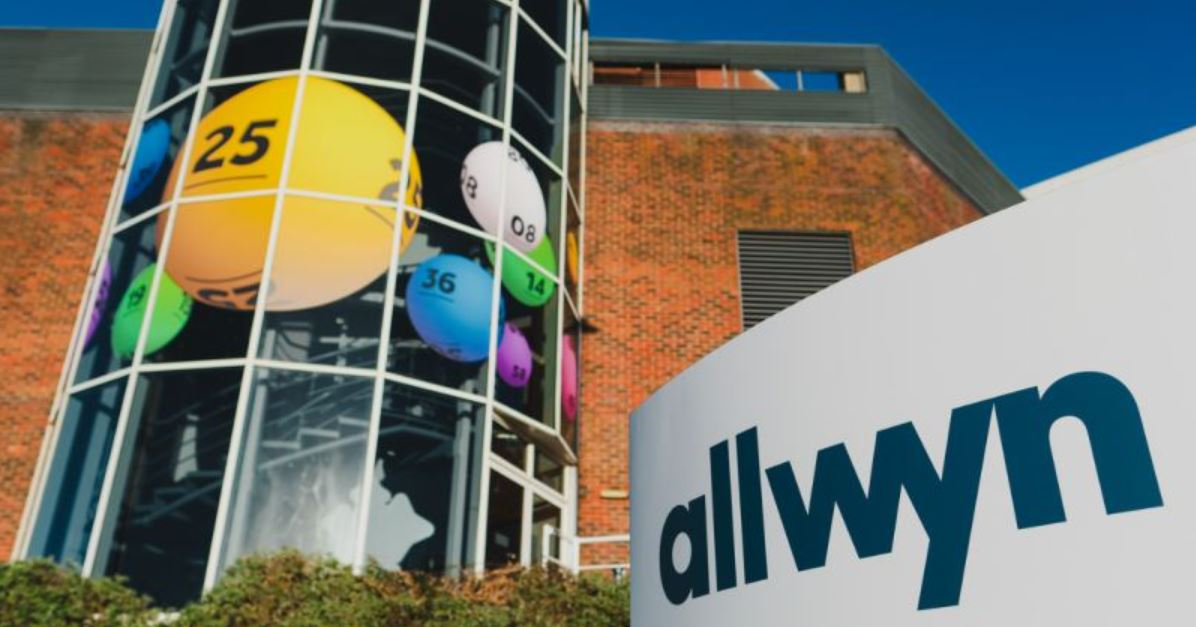
Allwyn acquires $1.6B stake in PrizePicks to fuel U.S. gaming expansion

European lottery operator Allwyn announced it will buy a 62% majority stake in U.S.-based daily fantasy sports company PrizePicks in a deal valuing the firm at $1.6 billion. The acquisition marks a major step in Allwyn’s efforts to move beyond traditional lottery games and tap into the fast-growing U.S. digital gaming market.

The deal, set to close in the first half of 2026, positions PrizePicks as Allwyn’s flagship platform in the U.S. PrizePicks CEO Mike Ybarra said Allwyn’s backing would help accelerate nationwide growth: “We are in 45 states now. It’s my prediction that we will be in 50 states across the board, and this will be broadly accepted and regulated in the United States.”

Allwyn, part of Czech billionaire Karel Komarek’s KKCG investment group, has been diversifying aggressively. Beyond running lotteries in the UK, Italy, Austria, Greece, and the Czech Republic, it holds stakes in Kaizen Gaming (Betano brand) and Novibet, and manages the Illinois State Lottery through its U.S. arm. Earlier this year, it also announced a partnership with Formula One.

The PrizePicks acquisition reflects a push into higher-growth digital sectors, even as 90% of Allwyn’s revenues still come from lotteries. The transaction structure includes performance-based milestones that could raise PrizePicks’ enterprise value from $2.5 billion to $4.15 billion over three years.

Industry analysts note the move comes amid rapid U.S. gaming expansion since the 2018 repeal of PASPA, which legalized sports betting. Unlike sports betting, daily fantasy sports (DFS) are classified as a “game of skill,” allowing PrizePicks to operate in more states. The company is also exploring non-sports prediction markets, such as music and entertainment awards, and is investing in AI tools to enhance user decision-making.

Still, regulators have raised concerns about consumer protection as gamified platforms drive higher engagement, especially among younger users. Some U.S. states have imposed fines or opened inquiries into compliance practices. Bankers advising on the deal highlighted that iCasino (online casino gaming), still restricted to a handful of states, could eventually double the size of the regulated market if more states legalize it.

Allwyn plans to finance the PrizePicks stake with cash and debt, signaling its commitment to becoming a more diversified global gaming powerhouse.


Netflix teams up with AB InBev for global beer and TV co-marketing deal

Netflix and Anheuser-Busch InBev (AB InBev) have struck a global co-marketing partnership that will bring together two leisure giants: beer and streaming. The collaboration aims to link Netflix’s top series with AB InBev’s best-known beer brands through campaigns, packaging, and event tie-ins.

The deal will highlight shows like The Gentlemen (UK drama) and Culinary Class Wars (South Korea) with limited-edition beer packaging and online promotions. While financial terms weren’t revealed, both companies signaled it as a long-term push to merge entertainment and social drinking occasions.

AB InBev, whose portfolio includes Budweiser, Stella Artois, and Corona, will also advertise during Netflix’s growing slate of live programming, including the NFL’s Christmas Day broadcast. Future collaborations will extend to global sports spectacles such as the 2027 Women’s World Cup.

Netflix, which launched its advertising tier less than two years ago, already reaches over 94 million users worldwide. The company sees this ad-supported tier as a major growth engine, especially as live sports give it access to large, sponsor-friendly audiences.

Marcel Marcondes, AB InBev’s Global CMO, said the partnership plays into natural habits: “Streaming is a social and shared experience — it’s an occasion where beer and entertainment come together.”

This move underlines how Netflix is expanding beyond just content production to build partnerships that link its cultural reach with brands looking for mass exposure.

China tells brokers to pause real-world asset tokenisation in Hong Kong

China’s securities regulator (CSRC) has quietly advised several domestic brokerages to halt their real-world asset (RWA) tokenisation activities in Hong Kong, according to sources familiar with the matter. The move highlights Beijing’s caution as Hong Kong accelerates its push to become a regional hub for digital assets.

What’s happening

  • At least two major Chinese brokerages received informal instructions in recent weeks to pause RWA tokenisation businesses offshore.

  • RWA tokenisation converts traditional assets — like stocks, bonds, funds, and real estate — into blockchain-based digital tokens.

  • Regulators are concerned about risk management and whether firms’ claims are backed by “strong, legitimate businesses.”

Market reaction

  • Shares in Chinese brokerages with Hong Kong exposure slumped:

    • Guotai Junan International fell 7.25%

    • GF Securities dropped 2%

  • The broader Hang Seng Index closed down 0.9%.

Regulatory backdrop

  • China banned cryptocurrency trading and mining in 2021, citing financial stability risks.

  • While Hong Kong has rolled out a stablecoin regime and tokenisation “sandbox” (Project Ensemble), Beijing has kept its stance restrictive.

  • Last month, regulators told major Chinese brokers to stop publishing research endorsing stablecoins, signalling unease about speculative hype.

  • The HKMA confirmed it is conducting a legal review of tokenisation, initially focused on bonds.

Virtual asset enthusiasm in Hong Kong

  • GF Securities (HK unit) launched yield-generating “GF tokens” in June, tied to USD, HKD, and offshore RMB.

  • CMBI recently helped Shenzhen Futian Investment raise 500 million yuan through an RWA-based digital bond.

  • Seazen Group, a Chinese property developer, set up an institute in Hong Kong to explore tokenisation.

  • HKMA said 77 firms have expressed interest in applying for a stablecoin license as of August 31.

Global context

  • The RWA market is worth about $29 billion today and could exceed $2 trillion by 2030, according to industry forecasts.

  • Hong Kong wants to capture this growth, but Beijing’s intervention shows cross-border limits remain.

  • It’s unclear how long the CSRC’s guidance will stay in place or whether it will become a formal restriction.