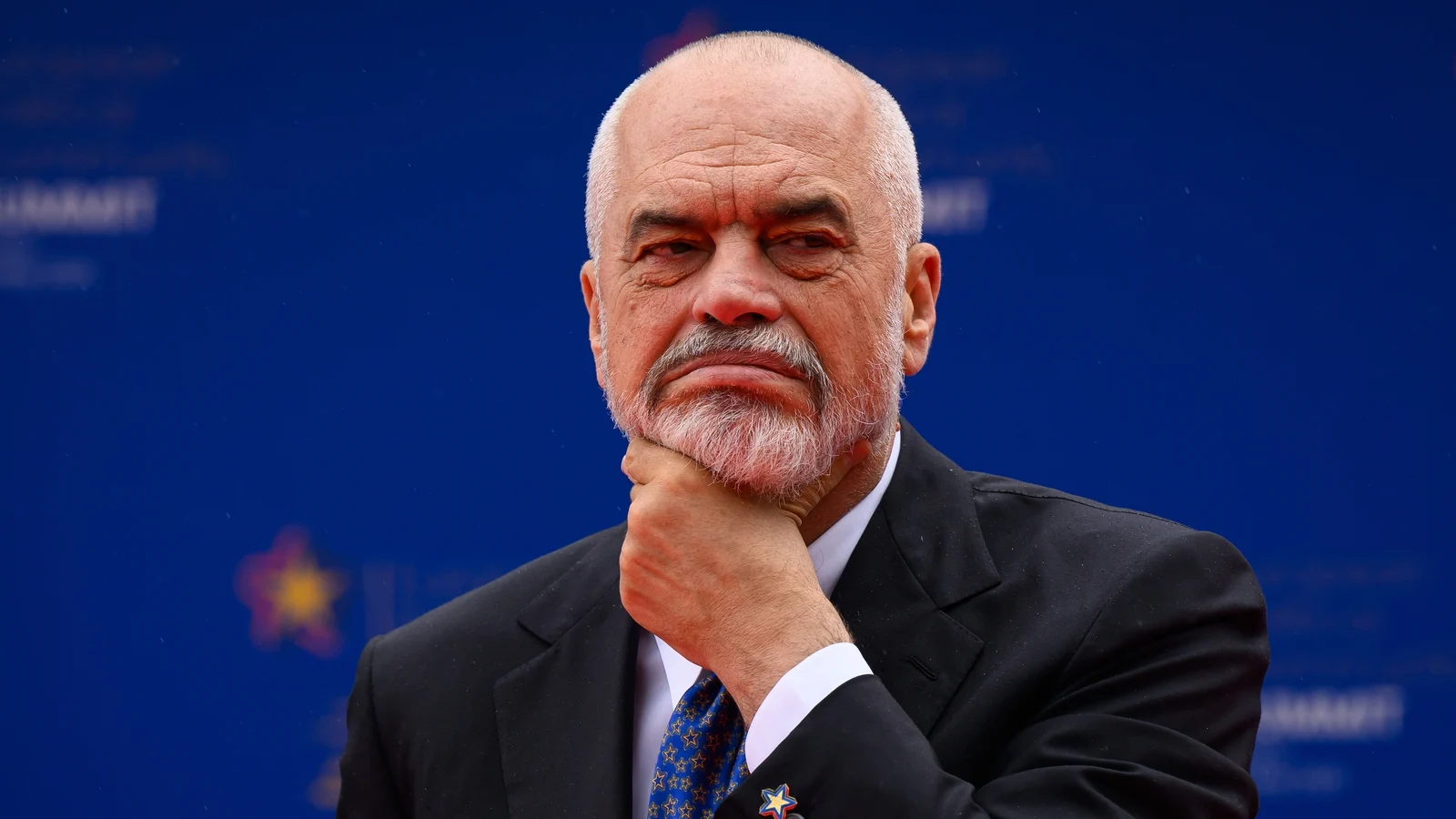
Albania Appoints AI Bot “Diella” as Minister to Oversee Public Procurement

Albania has broken political ground by appointing an AI-generated bot named Diella as its new minister of public procurement, tasked with awarding and managing government tenders.

Prime Minister Edi Rama, beginning his fourth term, introduced Diella on Thursday, describing her as the first cabinet member to exist only virtually. “Diella will make Albania a country where public tenders are 100% free of corruption,” he said.

Public procurement has long been one of Albania’s most corruption-prone areas, tied to scandals involving money laundering by organized crime networks. Experts say graft within state contracts has also slowed Albania’s EU accession ambitions, which Rama hopes to achieve by 2030.

Who is Diella?

  • The name means “sun” in Albanian.

  • She debuted earlier this year as a virtual assistant on the e-Albania platform, helping citizens and businesses access official documents.

  • Diella appears dressed in traditional Albanian attire, provides support via voice commands, and can issue documents with electronic stamps, reducing bureaucratic bottlenecks.

Skepticism and Risks

While Rama hailed Diella’s incorruptibility, critics have raised questions about:

  • The extent of human oversight, which the government has not clarified.

  • The potential for AI manipulation or hacking, which could undermine the anti-corruption mission.

  • Public skepticism — one social media user quipped, “Even Diella will be corrupted in Albania.”

Political Context

The new parliament, elected in May, is set to convene on Friday, though it remains uncertain if Rama’s government lineup will be formally approved immediately.

If implemented effectively, Diella could mark a world-first experiment in AI-led governance. But whether an algorithm can untangle entrenched corruption in Albania remains an open question.
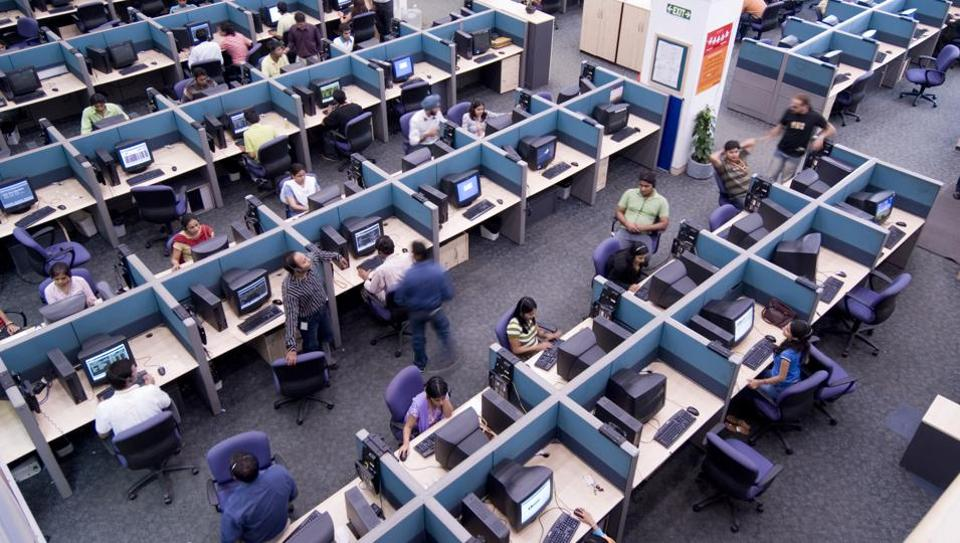

India’s IT Sector Faces Uncertainty as U.S. Considers Outsourcing Tax

India’s $283 billion IT industry is bracing for turbulence after U.S. lawmakers introduced a proposal to impose a 25% tax on outsourcing, a move that could reshape decades of cross-border technology contracts. Analysts and lawyers warn the bill could delay deals, trigger renegotiations, and heighten regulatory risks for a sector that makes up over 7% of India’s GDP.

The Proposal

Republican Senator Bernie Moreno introduced the HIRE Act, which would:

  • Impose a 25% tax on U.S. companies that outsource IT services abroad.

  • Bar companies from claiming outsourcing payments as tax-deductible expenses.

  • Funnel revenue into U.S. workforce development.

In some scenarios, combined federal, state, and local taxes could raise outsourcing costs to as much as 60%, according to EY India’s Jignesh Thakkar.

Why It Matters

India’s IT giants — including TCS, Infosys, HCLTech, Tech Mahindra, Wipro, and LTIMindtree — count Apple, Citigroup, FedEx, Cisco, and Home Depot among their major U.S. clients. Outsourcing has long been criticized in the U.S. for shifting jobs overseas, but it remains vital to companies facing domestic labor shortages.

The bill comes at a difficult time for Indian IT firms already struggling with weak revenue growth as inflation, tariffs, and deferred tech spending weigh on their U.S. business.

Industry Reaction

Analysts expect a wave of lobbying and legal challenges if the bill advances. “A bill like this would probably face a lot of backlash from U.S. companies that rely heavily on outsourcing,” said Sophie Alcorn, CEO of Alcorn Immigration Law.

Others anticipate dilution: “More likely is a narrowed or delayed version of the bill,” said Phil Fersht of HFS Research.

Still, the uncertainty is already affecting contracts. “When political noise turns into regulatory risk, clients quickly insert contingencies, reopen pricing and demand delivery flexibility,” said Saurabh Gupta of HFS Research, warning that signing and renewal cycles will slow.

Global Capability Centers at Risk

The proposed tax could also impact U.S. firms’ global capability centers (GCCs) in India, which have evolved from low-cost back offices into innovation hubs for R&D, finance, and operations. “It will be hard to pull back from existing work, but new set-ups and expansion may get impacted,” said Yugal Joshi of Everest Group.

Outlook

Experts note the U.S. still lacks sufficient skilled tech labor, meaning outsourcing remains a structural necessity. As Bharath Reddy of CAM put it: “The lack of availability of appropriate human capital in the U.S. will continue as a problem — one that can be addressed in the near future only through outsourcing.”

GE Vernova to Sell Proficy to TPG for $600 Million, Refocus on Grid Software

GE Vernova announced Thursday it will sell its Proficy industrial software unit to private equity firm TPG for $600 million, with plans to reinvest the proceeds into its grid software business.

Proficy, which represents about 20% of GE Vernova’s electrification software revenue, helps manufacturers monitor and optimize production. In 2024, the company’s electrification segment generated $7.55 billion in revenue.

The sale comes as GE Vernova, spun off from General Electric last year, works to manage higher costs tied to tariffs and inflation. The company has projected an additional $300–$400 million in costs for 2025 and is raising prices and streamlining operations to protect margins.

CEO Scott Strazik said at a Morgan Stanley conference that while Proficy is a valuable business, GE Vernova sees more strategic upside in grid-focused technology. “Indirectly, we are going to reinvest the proceeds into the grid software business,” he said.

Deal Details

  • The transaction is expected to close in the first half of 2026.

  • TPG will acquire and control Proficy through TPG Capital, its U.S. and European private equity platform.

  • GE Vernova will retain a board observer seat and could receive additional proceeds depending on future outcomes and conditions.

  • The sale will establish Proficy as a standalone software company under TPG ownership.

Market Context

Analysts said the divestiture reflects GE Vernova’s efforts to monetize undervalued assets while channeling resources into growth areas like grid modernization. RBC Capital Markets analyst Christopher Dendrinos called the move “strategic,” noting the strong demand for manufacturing and electrification investments.

Shares of GE Vernova fell 3.2% to $622.77 after the announcement.

The company is also boosting its supply chain capacity, including a $600 million upgrade to U.S. factories announced in January, to keep pace with rising global electricity demand.