
MacKenzie Scott trims Amazon stake by 42%, shedding $12.5 billion in shares

MacKenzie Scott, the billionaire philanthropist and ex-wife of Amazon founder Jeff Bezos, has cut her stake in the e-commerce giant by 42% over the past year, according to a Bloomberg News report citing a recent regulatory filing.

Scott now holds 81.1 million Amazon shares as of September 30, down by about 58 million shares from the previous year. Based on Tuesday’s closing price, the sale represents roughly $12.55 billion in stock.

The filing also revealed that Bezos still beneficially owns more than 964 million Amazon shares, including 81.1 million over which he has sole voting authority. Amazon did not respond to requests for comment, and Reuters was unable to independently verify the filing.

Scott received her Amazon holdings in 2019 as part of her divorce settlement, amounting to a 4% stake valued at $36 billion at the time. Since then, she has become one of the world’s most active philanthropists, donating more than $19.25 billion to over 2,450 non-profit organizations through her charitable platform, Yield Giving.

Her large-scale giving efforts have focused on education, gender equality, racial justice, and community-based initiatives, often made without conditions or publicity — a sharp contrast to the structured foundations of many billionaires.

‘Bitcoin Jesus’ Roger Ver settles U.S. tax evasion charges in $49.9 million deal

Roger Ver, the early cryptocurrency investor known as “Bitcoin Jesus,” has reached a $49.9 million settlement with the U.S. Department of Justice (DOJ) to resolve allegations of mail fraud and tax evasion, according to a court filing on Tuesday.

Ver entered a deferred prosecution agreement in federal court in Los Angeles that will allow him to avoid prison time if he complies with the deal’s conditions. The arrangement, which comes under the Trump administration, provides that the indictment will be dismissed after one month, provided Ver abides by the agreement. The settlement covers his tax liability, civil penalties, and interest owed to the Internal Revenue Service (IRS).

The case accused Ver, 46, of evading at least $48 million in taxes following his 2014 decision to renounce U.S. citizenship after becoming a citizen of St. Kitts and Nevis. He was arrested in Spain in April 2024 and later extradited to the U.S. The DOJ alleged that Ver concealed ownership of significant bitcoin holdings and failed to pay exit taxes required under federal law.

Ver was represented by Christopher Kise, a lawyer who has also represented Donald Trump, while the DOJ’s lead official on the case, Ketan Bhirud, previously represented Ivanka Trump in private litigation.

In a statement, Ver said he was “grateful this case has been dismissed” and thanked the administration for its “leadership and professionalism.” A vocal libertarian and former Bitcoin.com CEO, Ver became one of the earliest advocates of cryptocurrency adoption, earning his moniker for his evangelical promotion of bitcoin in its early years.

Japan’s Renesas weighs $2 billion sale of timing unit amid semiconductor reshuffle

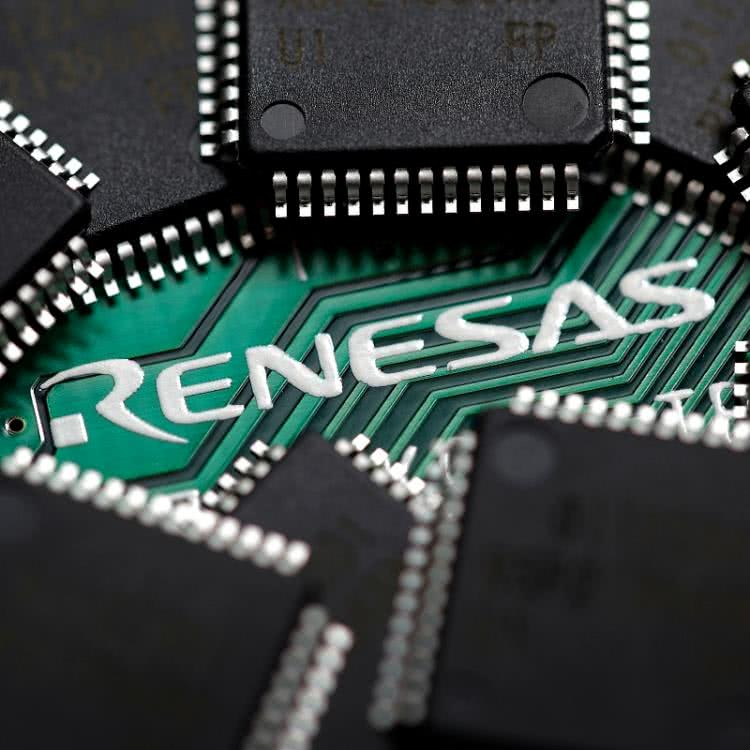
Renesas Electronics Corp., one of Japan’s largest semiconductor makers, is considering a sale of its timing division in a deal that could value the business at nearly $2 billion, according to people familiar with the matter.

The company has hired JPMorgan to advise on the potential divestment, which remains in its early stages. Sources said the process is expected to attract bids from major chipmakers, including Texas Instruments in the United States and Germany’s Infineon Technologies. None of the companies involved have commented publicly on the talks.

Renesas’ timing division produces specialized integrated circuits (ICs) that handle clock, timing, and synchronization functions — essential components for data centers, telecommunications systems, and 5G network infrastructure. These chips act as the “metronome” for electronic systems, ensuring precise coordination of data flow in high-speed environments.

The move comes as global demand for chips powering AI-driven data centers and networking infrastructure continues to soar. Selling the unit could allow Renesas to raise capital and sharpen its focus on core markets, particularly automotive and industrial semiconductors — areas where it is a major global supplier.

Renesas has expanded aggressively in recent years through acquisitions to build a broader portfolio of analog and power management chips. The possible divestment reflects a wider industry trend of portfolio consolidation, as chipmakers seek to streamline operations and concentrate on growth areas.