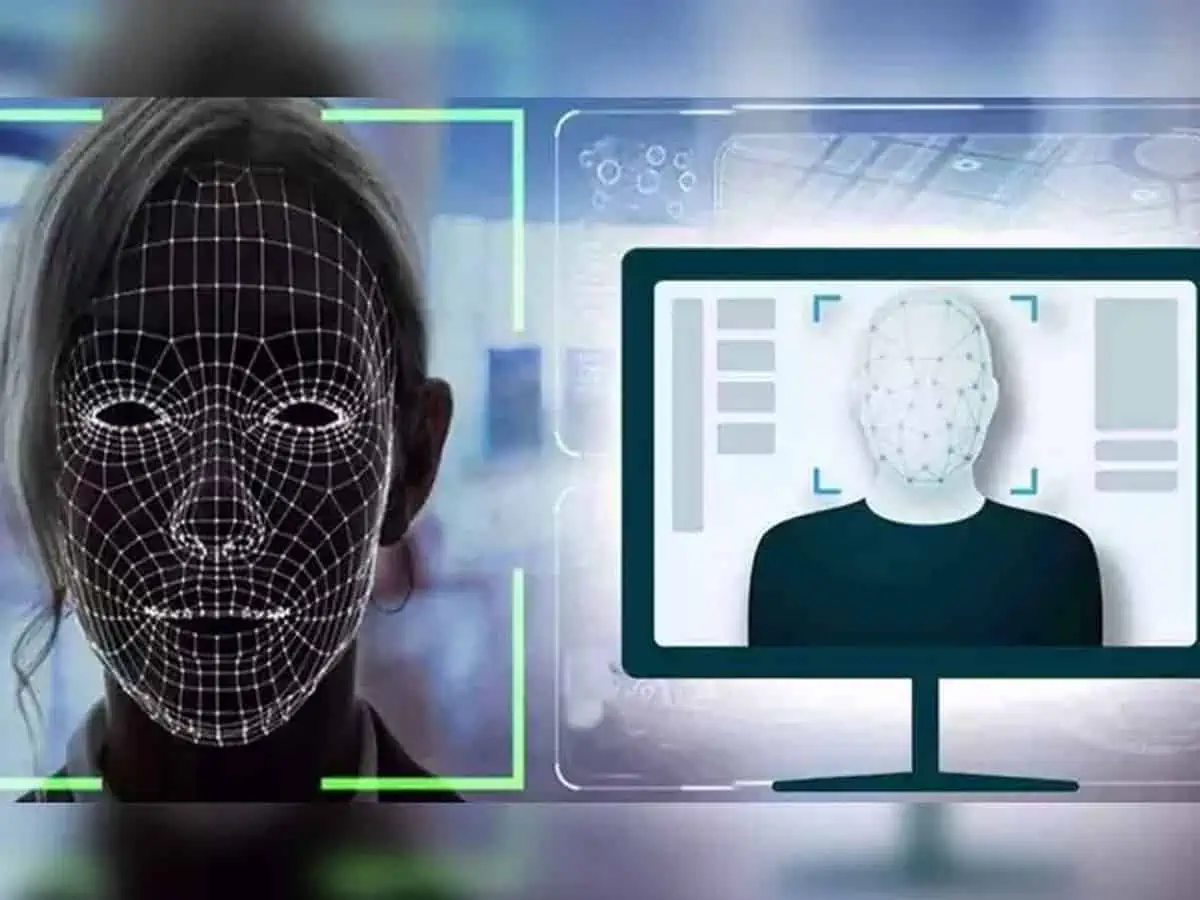
Denmark Moves to Ban AI Deepfakes, Giving Citizens Copyright Over Their Own Likeness

Denmark is preparing to pass one of the world’s toughest laws against AI-generated deepfakes, aiming to give citizens new legal rights over their appearance, voice, and likeness online. The bill — expected to pass early next year — would make it illegal to share or distribute deepfake content without a person’s consent, extending copyright protections to individuals.

The proposed legislation follows growing concern about the rapid spread of deepfakes — hyper-realistic AI-generated videos, images, or audio that impersonate real people. Danish Culture Minister Jakob Engel-Schmidt said the move is essential to protect both private citizens and democracy itself, warning that political deepfakes could “undermine our democracy” by spreading falsehoods.

Under the new law, Danes would be able to demand takedowns of AI-generated content that misuses their likeness, while parody and satire would remain protected. Major tech platforms that fail to remove harmful deepfakes could face significant fines, although individuals are unlikely to face criminal penalties.

Experts have praised the move as a landmark step. “When people ask, ‘what can I do to protect myself from being deepfaked,’ the answer right now is basically nothing,” said Henry Ajder, a generative AI researcher and founder of Latent Space Advisory. “Denmark is one of the first governments to change that.”

The Danish proposal mirrors similar measures abroad. The United States recently criminalized the sharing of non-consensual intimate deepfakes, while South Korea introduced harsh penalties for deepfake pornography. Denmark’s initiative could now influence European Union policy, with France and Ireland reportedly showing interest in adopting similar laws.

For victims like Marie Watson, a Danish video game streamer whose photos were digitally altered and shared online, the legislation comes too late to undo the damage but offers hope for future protection. “When it’s online, you’re done. You can’t do anything,” she said. “It’s out of your control.”
Pony.ai Shares Fall 12% in Hong Kong Debut as Autonomous Rivals WeRide Also Slide

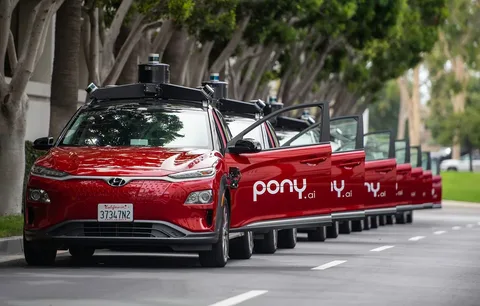
China’s leading autonomous driving startup Pony.ai saw its shares drop more than 12% on Thursday in its Hong Kong debut, while rival WeRide fell nearly 13%, reflecting investor caution toward the fast-evolving self-driving sector.

Pony.ai raised HK$6.71 billion (about $860 million) and WeRide HK$2.39 billion through their initial public offerings, both of which come as Chinese tech firms increasingly seek dual listings in Hong Kong amid geopolitical uncertainty and stricter U.S. regulations.

Both Guangzhou-based firms are investing heavily in Level 4 autonomous driving — vehicles that can operate without human intervention under specific conditions. Pony.ai CEO James Peng said proceeds would help expand autonomous parking and charging infrastructure, while WeRide’s CEO Tony Xu Han said funds would support AI development and data center expansion.

The companies have already launched robotaxi services in several Chinese cities and plan to expand to new regions including the Middle East, Europe, and Singapore, though full regulatory approvals remain pending.

The listings come at a delicate time for Chinese tech firms facing mounting U.S. restrictions. A new rule effectively bans Chinese technology in connected vehicles, complicating Pony.ai and WeRide’s ambitions to partner with Uber for robotaxi operations in the U.S.

“The dual listings are about risk mitigation,” said Tu Le, managing director at Sino Auto Insights. “They acknowledge it will take significant capital — and a market outside the U.S. — for these firms to succeed.”

The weak debut mirrored declines in New York, where WeRide shares dropped 5.2% and Pony.ai fell 2% the previous day. Still, analysts said the Hong Kong listings will help both companies secure Asia-based funding and reinforce the city’s growing image as a tech hub.

Experts Divided Over Whether AI Boom Is the Next Big Bubble

The record-breaking wave of artificial intelligence investments has sparked fierce debate across global markets, with opinions divided over whether the sector is inflating into a bubble reminiscent of the early 2000s dot-com frenzy.

According to Bank of America Global Research, 54% of surveyed fund managers now believe AI stocks are in a bubble, compared to 38% who disagree. The discussion has gained urgency as companies pour hundreds of billions into AI infrastructure, data centers, and startups, pushing valuations to new extremes.

The Bank of England warned that a sharp market correction tied to fading AI optimism could ripple through the global financial system. “The risk of a sharp market correction has increased,” its Financial Policy Committee said in an October update.

Singapore’s GIC investment chief Bryan Yeo also described “a little bit of a hype bubble” in the venture space, saying startups labeled as AI firms are being valued “at huge multiples” of modest revenue.

Amazon founder Jeff Bezos offered a nuanced view, saying industrial bubbles often leave lasting benefits even if many investors lose money. “When the dust settles and you see who are the winners, society benefits from those inventions,” he said.

Others, such as Goldman Sachs economist Joseph Briggs and ABB CEO Morten Wierod, argue the AI investment surge remains justified given long-term potential — though both caution about bottlenecks in infrastructure and human resources.

By contrast, Michael Burry — famed for predicting the 2008 financial crisis — has bet against high-flying AI stocks like Nvidia and Palantir, warning that the boom mirrors past speculative manias.

IMF chief economist Pierre-Olivier Gourinchas agreed that a correction could come but emphasized it would likely be contained. “This is not financed by debt,” he said, meaning any fallout would primarily hurt equity investors.

OpenAI CEO Sam Altman echoed that sentiment, admitting that investors may be “overexcited” and predicting that “someone is going to lose a phenomenal amount of money.”

Yet, UBS strategists note that even among those who believe in an AI bubble, about 90% are still invested — a sign of the sector’s magnetic pull despite growing caution.