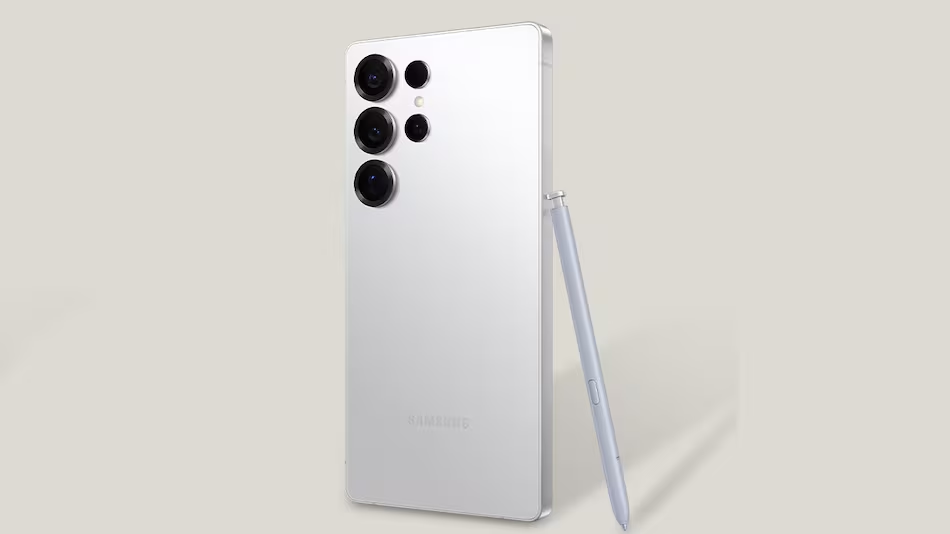
Samsung Galaxy S26 Series Could See Price Increase Amid Rising Component Costs: Report

The upcoming Samsung Galaxy S26 series is expected to launch at higher prices than the current Galaxy S25 lineup, according to recent reports. The price increase is being attributed to rising costs for essential components used in the devices, including chipsets and memory modules. Industry insiders suggest that this could affect all three expected models: the standard Galaxy S26, Galaxy S26+, and Galaxy S26 Ultra.

South Korean media outlet ETNews cites sources familiar with Samsung’s plans, noting that the company is carefully balancing manufacturing costs with competitive pricing. The rising component prices are forcing manufacturers worldwide to reconsider pricing strategies, and Samsung appears to be adjusting its flagship lineup accordingly. While the exact price hike has not been disclosed, analysts expect a noticeable increase compared to the Galaxy S25 series.

The Galaxy S26 series is anticipated to be unveiled at Samsung’s Galaxy Unpacked event, tentatively scheduled for late February 2026. This timing is slightly later than the company’s usual launch cycle, but it aligns with the broader trend of technology firms managing supply chain pressures and ensuring product readiness. Fans and potential buyers are watching closely, as these premium smartphones have historically set benchmarks for performance and innovation in the Android ecosystem.

Despite the price adjustments, Samsung aims to maintain healthy profit margins while delivering top-tier features, including upgraded displays, cameras, and internal hardware. The move highlights how component cost fluctuations continue to impact flagship smartphone pricing globally, signaling that buyers may need to budget more for the next generation of Galaxy devices.
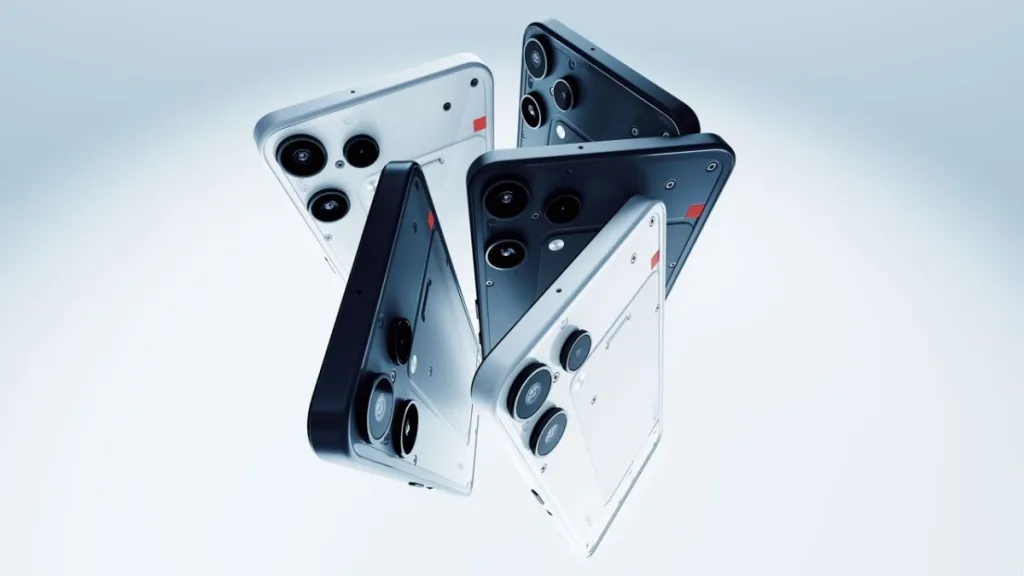
Nothing Phone 3a Lite Users Can Now Remove Meta Apps Following Backlash Over Preinstalled Software

Nothing Phone 3a Lite users will soon gain full control over pre-installed Meta apps, following criticism of the budget handset for shipping with software such as Facebook, Instagram, and TikTok. Until now, users could only disable these apps, which many argued contradicted Nothing’s promise of a clean, minimalist software experience. The upcoming Nothing OS 4.0 beta will allow users to completely uninstall Meta services, giving them greater freedom to manage their devices.

Nothing co-founder Akis Evangelidis addressed the issue in a community post, confirming that the ability to remove Meta apps will roll out later this month. He emphasized that while flagship models will continue to ship bloatware-free, mid-range and budget devices like the Phone 3a Lite may include select third-party apps by default. The new update aims to balance user choice with the company’s need to support partnerships with app providers.

The backlash emerged after users discovered that the Phone 3a Lite not only included Meta apps but also three background components—Meta App Installer, Meta App Manager, and Meta Services—which were not removable initially. Many users expressed frustration that these apps were preloaded, arguing it undermined the device’s advertised lightweight and streamlined software philosophy.

By introducing full uninstall options in the Nothing OS 4.0 beta, the company is taking steps to restore trust among its community while maintaining compatibility with essential apps on its budget phones. This update reflects a broader industry trend of giving users more control over pre-installed software, particularly on devices that prioritize minimalism and performance.

China’s WeRide Aims to Raise $308 Million in Hong Kong Listing Amid Autonomous Driving Boom

Chinese self-driving technology company WeRide plans to raise about $308 million through a Hong Kong stock market listing, according to a Bloomberg report on Tuesday. The Guangzhou-based firm is expected to price its shares at HK$27.10 each, valuing the offering at HK$2.39 billion.

WeRide, which went public on Nasdaq in October 2024, is selling 88.3 million shares, with a maximum price of HK$35 per share, according to its prospectus filed on October 27. The offering is led by Morgan Stanley and China International Capital Corp (CICC), which were also involved in the company’s U.S. listing.

The move comes as growing investor enthusiasm for next-generation mobility companies fuels renewed interest in autonomous driving technologies. At the same time, many U.S.-listed Chinese firms are pursuing dual or secondary listings in Hong Kong to diversify funding sources and hedge against geopolitical and regulatory risks linked to U.S.-China tensions.

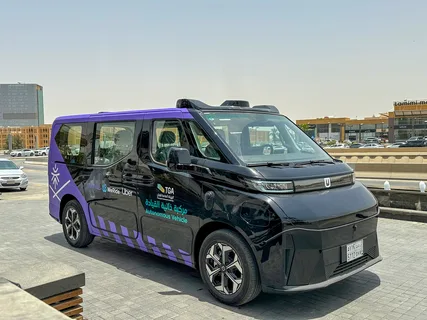
Founded in 2017, WeRide develops autonomous vehicle systems and operates robotaxi services in China and abroad. The company’s Hong Kong debut follows rival Pony AI, which set the final price for its own Hong Kong listing at HK$139 per share this week.

WeRide declined to comment on its final offer price when contacted by Reuters.