Uber Shares Drop 8% as Legal Costs Undercut Profit and Holiday Outlook Disappoints

Uber’s shares fell 8% on Tuesday after the company reported weaker-than-expected operating profit and issued a cautious outlook for the upcoming holiday quarter. The setback overshadowed otherwise strong growth in both its rides and delivery businesses, which continue to benefit from rising demand and its Uber One membership program.

The ride-hailing giant posted an operating income of $1.11 billion for the third quarter, below analyst expectations of $1.61 billion, according to Visible Alpha. Uber attributed the shortfall to legal and regulatory expenses but did not disclose details. Its guidance for adjusted profit in the fourth quarter — between $2.41 billion and $2.51 billion — also fell short of Wall Street’s projections.

Despite the profit miss, revenue rose 20% year-over-year to $13.47 billion, surpassing analyst estimates of $13.28 billion. Gross bookings climbed to $49.74 billion, beating expectations, driven by a 29% jump in delivery sales and a 20% rise in mobility revenue.

CEO Dara Khosrowshahi said the Uber One program continues to boost customer engagement, noting that users who use both rides and delivery services spend three times more than single-service customers. However, only about 20% of users currently utilize both, leaving significant room for growth.

The earnings disappointment comes despite Uber’s strong year-to-date performance, with its stock up more than 60% before Tuesday’s drop. Investors, however, remain focused on whether the company can sustain profitability while managing mounting legal challenges and regulatory scrutiny.
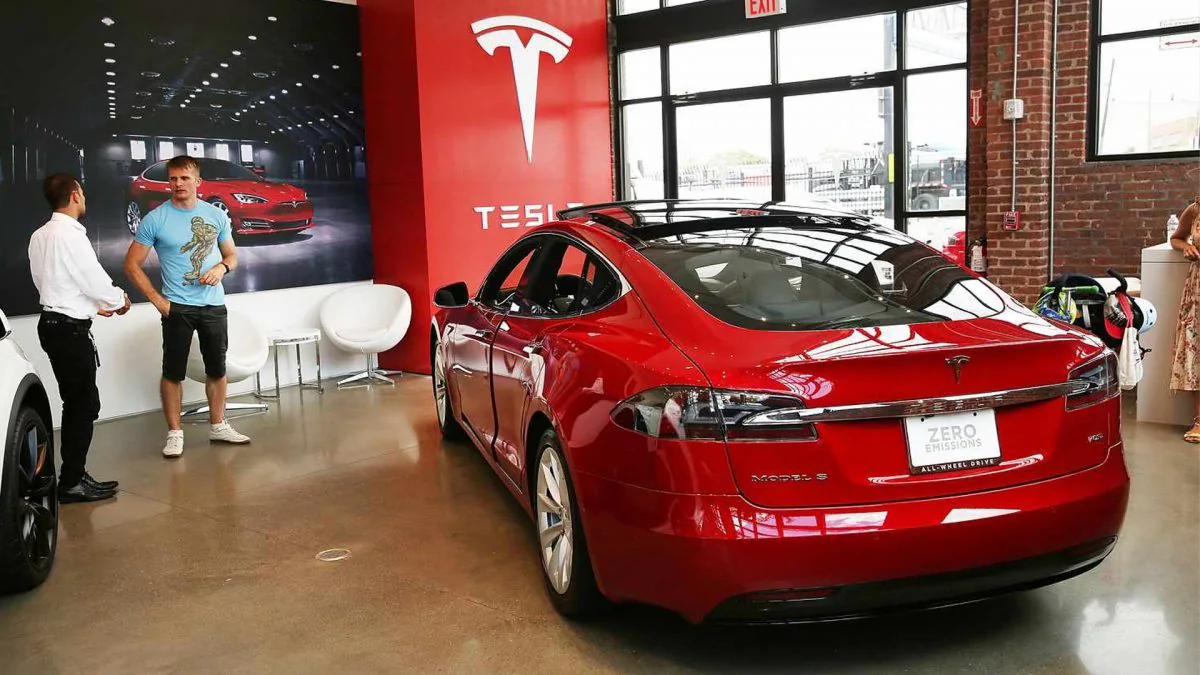

Norway’s $2.1 Trillion Wealth Fund to Vote Against Elon Musk’s $1 Trillion Tesla Pay Deal

Norway’s sovereign wealth fund, the world’s largest, announced Tuesday that it will vote against Tesla CEO Elon Musk’s proposed $1 trillion compensation package — potentially the largest CEO pay deal in corporate history. The vote will take place at Tesla’s annual general meeting on November 6.

Tesla’s board is urging shareholders to approve the plan, warning that rejecting it could prompt Musk to leave the $1.5 trillion automaker. The proposal, however, has drawn criticism from investors and proxy advisory firms who say the package is excessive and could give Musk disproportionate control.

The Norwegian fund, officially known as Norges Bank Investment Management (NBIM), said while it recognizes the “significant value created” under Musk’s leadership, it is concerned about the award’s overall size, potential shareholder dilution, and Tesla’s heavy reliance on Musk’s role. NBIM also confirmed it would vote against Tesla’s general employee compensation plan and two of three board members up for re-election, including Kathleen Wilson-Thompson and Ira Ehrenpreis.

Musk’s proposed deal would grant him stock awards worth up to $1 trillion over 10 years, though Reuters estimates the actual value after cost deductions could total around $878 billion. The package would only fully vest if Tesla’s market value climbs to $8.5 trillion — roughly six times its current valuation.

Despite opposition from major investors, the pay deal is expected to pass due to broad shareholder support and Musk’s own 13.5% voting stake.

Amazon’s $38 Billion OpenAI Deal Signals Major Comeback in the AI Race

Amazon has struck a $38 billion cloud deal with OpenAI, marking a significant win for the company’s Amazon Web Services (AWS) division and a major step toward reclaiming lost ground in the artificial intelligence boom. The agreement comes after Amazon had faced mounting criticism for lagging behind rivals Microsoft and Google in securing AI partnerships and deploying consumer-facing language models.

After years of dominance in the cloud industry, Amazon’s market share slipped to 29% by September — down from 34% before ChatGPT’s debut in 2022, according to Synergy Research Group. The new partnership with OpenAI, however, suggests AWS is regaining momentum. The deal will allow OpenAI to use Amazon’s infrastructure, including its custom-built Trainium chips, to train next-generation models.

Analysts said the collaboration, though smaller than OpenAI’s $250 billion commitment with Microsoft’s Azure or Oracle’s $300 billion deal, is strategically vital for Amazon. “It’s a key first step in Amazon’s effort to partner with a company that will spend over a trillion dollars on computing power in the coming years,” said Mamta Valechha of Quilter Cheviot.

The announcement sent Amazon’s shares up 5%, hitting a record high. The company has recently expanded its AI footprint, including the launch of Project Rainier, an $11 billion AI data center in Indiana where models from startups like Anthropic are being trained. CEO Andy Jassy is also pushing a leaner management structure to boost efficiency, as Amazon plans to spend around $125 billion in capital expenditures this year — outpacing Alphabet’s $93 billion.

Analysts expect the OpenAI partnership to increase AWS’s backlog by about 20% in the fourth quarter, potentially adding $40 billion in future revenue.