
Samsung Galaxy S26 Series Rumored to Include Slimmer Model With Rebranded Name

Samsung’s plans for its upcoming Galaxy S26 series may include a new ultra-slim handset, following mixed reception to the Galaxy S25 Edge. Released in May, the S25 Edge was celebrated for its slim 5.8mm profile, making it the slimmest phone in the Galaxy S lineup. Despite its design appeal, reports suggest that weaker-than-expected sales led to uncertainty about a direct successor. However, recent leaks indicate that Samsung is not abandoning the concept of a slim flagship but is instead preparing a rebranded, even thinner model for the next generation.

According to a post on X (formerly Twitter) by user @SPYGO19726, the device — internally codenamed “More Slim” — could feature a remarkable 5.56mm thickness, surpassing the S25 Edge and even edging past the 5.6mm iPhone Air in slimness. The leak hints that Samsung may be revamping its slim-series strategy, introducing a thinner device under a fresh name rather than continuing the “Edge” branding. This approach could help differentiate the model from previous slim handsets while attracting attention for its innovative design.

The rumored “More Slim” device is expected to sport a 6.6-inch Dynamic AMOLED 2X LTPO 2.5 display with an adaptive 120Hz refresh rate, ensuring smooth visuals without sacrificing energy efficiency. To complement its slim profile, the phone may pack a 4,300mAh lithium polymer battery, slightly larger than the one in the S25 Edge, offering improved endurance despite the reduced thickness. The device is tipped to run on Samsung’s Exynos 2600 chipset, promising flagship-level performance within an ultra-thin chassis.

If these leaks hold true, Samsung could be positioning this new slim model as a standout in the Galaxy S26 lineup — combining cutting-edge design, high refresh-rate display technology, and solid performance. By creating a thinner, rebranded version of the Edge series, Samsung seems to be balancing aesthetic appeal with practical upgrades, potentially appealing to users who value both style and functionality in a premium smartphone.

New One UI 8.5 Leak Reveals Samsung’s AI-Driven Priority Notifications Feature

Samsung is set to enhance the notification experience on its Galaxy smartphones with a new AI-powered feature called Priority Notifications. Expected to arrive with the One UI 8.5 update, this feature aims to streamline alerts by automatically identifying and highlighting the most important notifications at the top of the panel. By combining Galaxy AI’s intelligent filtering with user customization options, Samsung hopes to make the notification system both smarter and less cluttered. The update is anticipated to launch alongside the Galaxy S26 series early next year, promising a more organized and efficient way for users to stay on top of essential alerts.

Recent leaks reveal how Priority Notifications might function in practice. Initially spotted in a non-functional form in a previous firmware leak, the feature has now been seen working in a new leaked build, as reported by SammyFans. This leak provides a clear preview of the interface and operations, showing how the system elevates important alerts above others for easy visibility. The feature appears designed to give users a smoother experience when managing notifications, reducing the chances of missing critical messages or alerts.

According to the leaks, Priority Notifications will leverage Galaxy AI to determine which alerts are likely to be important. Notifications deemed high-priority will automatically appear at the top of the notification panel, making them immediately noticeable. Meanwhile, less urgent notifications remain below, allowing users to quickly scan for what matters most without being overwhelmed by a cluttered list of alerts. This approach blends automation with intelligent filtering to optimize the way notifications are displayed.

In addition to AI-driven prioritization, users will likely have the ability to customize which apps can send high-priority notifications. This ensures that personal preferences are respected, giving full control over what gets highlighted. By combining automated intelligence with user choice, Samsung appears to be creating a notification system that balances convenience, efficiency, and flexibility — a small but meaningful upgrade that could significantly improve day-to-day smartphone interactions.

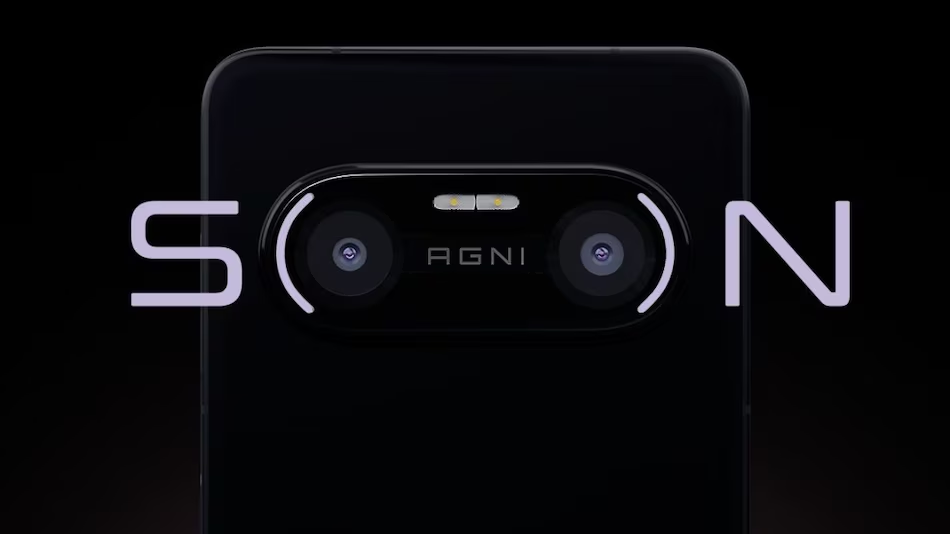
Lava Agni 4 Teased With Dual Rear Cameras, Certification Listing Hints at Battery Details

Lava is gearing up to launch its next-generation smartphone, the Lava Agni 4, in India this November as the successor to the Agni 3 5G. The company has begun teasing key features of the device, generating excitement among fans of its gaming-focused lineup. One of the most notable highlights is the dual rear camera system, housed in a horizontal pill-shaped module that is reminiscent of recent designs from other popular smartphones. The teaser showcases the cameras along with a dual-LED flash and “AGNI” branding, hinting at a design that balances both style and functionality.

In a separate development, the Lava Agni 4 has appeared on the IECEE certification website under the model number LBP1071A, suggesting that its launch is imminent. The listing reveals a 7,000mAh lithium polymer battery, a substantial increase over the 5,000mAh battery found in the Lava Agni 3. If accurate, this upgrade could significantly enhance endurance, making the Agni 4 ideal for extended gaming sessions or heavy multimedia use. It also underscores Lava’s focus on delivering devices with robust battery performance to meet the demands of its target audience.

On the hardware front, the Lava Agni 4 is expected to feature a 6.78-inch Full HD+ display with a 120Hz refresh rate, providing smooth visuals for both gaming and everyday tasks. Under the hood, the device is rumored to be powered by the MediaTek Dimensity 8350 chipset, paired with UFS 4.0 storage, which should ensure fast data access and overall system responsiveness. This combination of display, processing power, and storage technology positions the Agni 4 as a competitive contender in the mid-to-high-end segment of the Indian smartphone market.

For photography, the Agni 4’s dual rear camera setup is said to include two 50-megapixel sensors, offering versatility and high-resolution imaging for a variety of scenarios. Alongside the upgraded battery and enhanced display, these camera improvements make the Lava Agni 4 a well-rounded device for users who value both performance and media capabilities. With its launch just around the corner, the Agni 4 appears set to build on the strengths of its predecessor while introducing meaningful upgrades across design, performance, and battery life.