Grab to Invest $60 Million in Remote Driving Startup Vay as It Eyes Autonomous Future

Grab Holdings announced on Monday that it will invest $60 million in Vay Technology, a remote driving startup, as part of its strategy to expand into autonomous vehicle services. The news sent Grab’s shares up more than 6% in premarket trading.

The Singapore-based company said the investment aligns with its long-term vision to blend traditional ride-hailing with emerging autonomous and remote driving technologies.

“The future of mobility in Southeast Asia will be a hybrid model that relies on the expertise of our driver-partners alongside autonomous vehicles and remote driving services,” said Grab CEO Anthony Tan.

Under the terms of the deal, Grab could invest up to $350 million more within the first year if Vay meets certain milestones — including growth in consumer revenue, expansion across U.S. cities, advancements in technology and safety standards, and additional regulatory approvals.

Vay Technology, founded in Germany and headquartered in the U.S., operates a unique “teledriving” model, where human operators remotely steer vehicles to customers, who then drive the cars themselves. The firm launched its first commercial service in Las Vegas in January 2024, marking a major step toward scalable remote mobility solutions.

Grab’s move underscores the growing race among ride-hailing giants like Uber and Lyft to integrate autonomous and semi-autonomous technologies into their fleets — a shift that could redefine the global mobility industry over the next decade.

Tsavorite Secures $100 Million in Pre-Orders for Next-Gen AI Chips

AI startup Tsavorite Scalable Intelligence announced it has secured over $100 million in pre-orders from enterprises and cloud providers across the U.S., Asia, and Europe for its next-generation AI chips, designed to scale complex artificial intelligence workloads efficiently.

The company said demand has been particularly strong for its Omni Processing Unit (OPU) — a new compute architecture that integrates CPU, GPU, memory, and connectivity into a single device. This unified design allows the hardware to be reconfigured for diverse applications, addressing challenges in power efficiency, scalability, and cost that have become central to AI infrastructure development.

Founded in 2023 by former Intel and semiconductor industry veterans, Tsavorite aims to deliver its first AI chips and enterprise-class AI systems by next year. These devices will support agentic AI workflows — autonomous, multi-step AI processes that require high efficiency and interoperability between compute layers.

“We’ve built the first truly composable, developer-friendly AI platform that delivers step-change gains in efficiency, cost, and scale from edge to hyperscale,” said CEO Shalesh Thusoo.

The company is partnering with Samsung Foundry, using its SF4X platform solution to fabricate the OPU. Tsavorite declined to reveal its valuation or total funding raised so far, but analysts say the pre-orders highlight surging demand for specialized AI chips that can handle increasingly complex data center workloads.

Southeast Asia’s Digital Economy Sees Slower Private Funding Growth Despite AI Boom

Private funding for Southeast Asia’s digital economy rose 15% year-on-year to $7.7 billion in the 12 months to June 2025, lagging the global private investment growth rate of 25%, according to a new report by Google, Temasek Holdings, and Bain & Company.

While the figure marks an improvement from 2024, it remains about 70% below the region’s 2021 record high of $27 billion, reflecting a slower recovery from the post-pandemic investment cooldown.

The report found that funding is increasingly concentrated in late-stage rounds, with the share of seed-to-Series B deals dropping from around 30% to 20% over the past year.

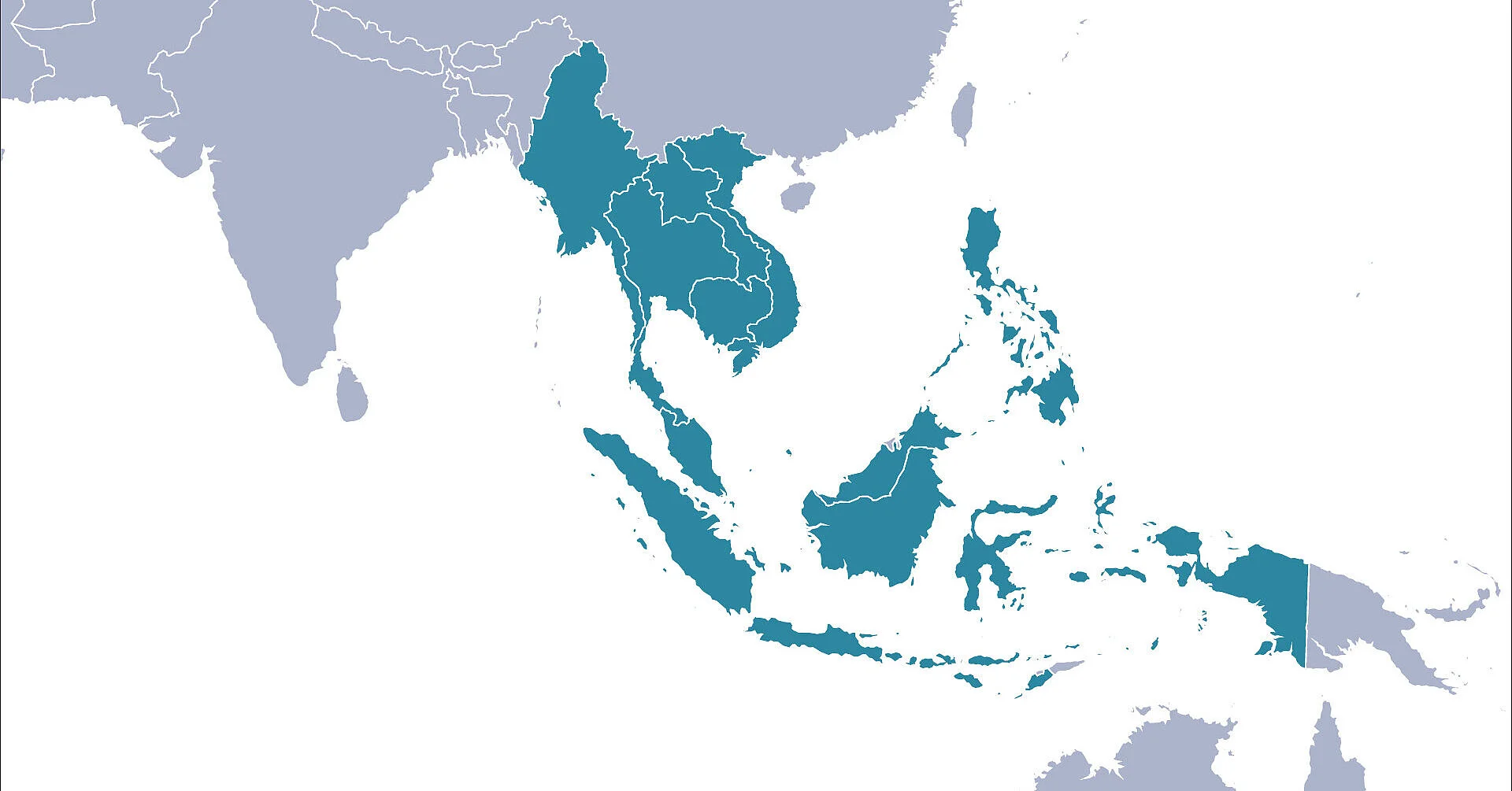
This year’s edition expanded its coverage to include Brunei, Cambodia, Laos, and Myanmar, alongside Indonesia, Thailand, Vietnam, Singapore, Malaysia, and the Philippines — a region of nearly 700 million people and one of the world’s fastest-growing internet markets, driven by a young population and rising smartphone use.

Despite the funding slowdown, AI startups remain a bright spot, attracting 32% of all private capital in the region during the first half of 2025 — up slightly from 30% in the second half of 2024. Over 680 AI startups secured more than $2.3 billion, with Singapore hosting more than 495 of them.

The report also highlighted rapid data center expansion, as countries rush to build infrastructure for the AI boom. Data center capacity in Southeast Asia is expected to grow 2.8 times, surpassing the 2.2 times growth forecast for the wider Asia-Pacific.

Malaysia leads this expansion, with 2,415 MW of new capacity planned — more than half the region’s total 4,620 MW — attracting major investments from Microsoft, Amazon, Google, Tencent, Huawei, and Alibaba.

Meanwhile, TikTok plans to invest $4 billion in data hosting facilities in Thailand, while Google and Amazon are each investing $1 billion and $5 billion respectively in the country, underscoring the growing competition in Southeast Asia’s digital infrastructure landscape.