TSMC Posts Record Profit, Projects Strong Growth Amid AI Surge

Taiwan Semiconductor Manufacturing Co. (TSMC) has reported a record quarterly profit, signaling robust demand for chips, particularly those used in artificial intelligence (AI) processing. The world’s largest contract chipmaker posted a 57% increase in net income, reaching T$374.68 billion ($11.4 billion) for the quarter ending December 31, 2024. This performance matched analyst expectations, with revenue climbing 39% year-on-year.

Looking ahead, TSMC is projecting significant revenue growth in the first quarter of 2025, with a forecast of approximately 37% growth, bringing in between $25 billion and $25.8 billion. For the full year, the company expects a revenue increase between 20% and 30%, driven by strong AI demand.

Despite a thriving business, TSMC faces challenges from U.S. technology restrictions targeting China. The Biden administration’s recent announcement of tighter controls on AI chip exports has raised concerns, although TSMC’s CEO, C.C. Wei, expressed confidence that these restrictions would be manageable. Wei noted that the company is applying for special permits for clients affected by these curbs and is optimistic about securing approval.

TSMC is also expanding its global footprint with ongoing construction of new fabrication plants (fabs) in the U.S., Japan, Germany, and Taiwan. The company expects its capital expenditure for 2025 to reach between $38 billion and $42 billion, a potential increase of 41%.

The AI boom has significantly boosted TSMC’s stock, making it Asia’s most valuable company. Its stock price surged 81% last year, outperforming the broader market, which saw a 28.5% gain. On Thursday, ahead of the earnings call, TSMC’s shares rose by 3.8%.
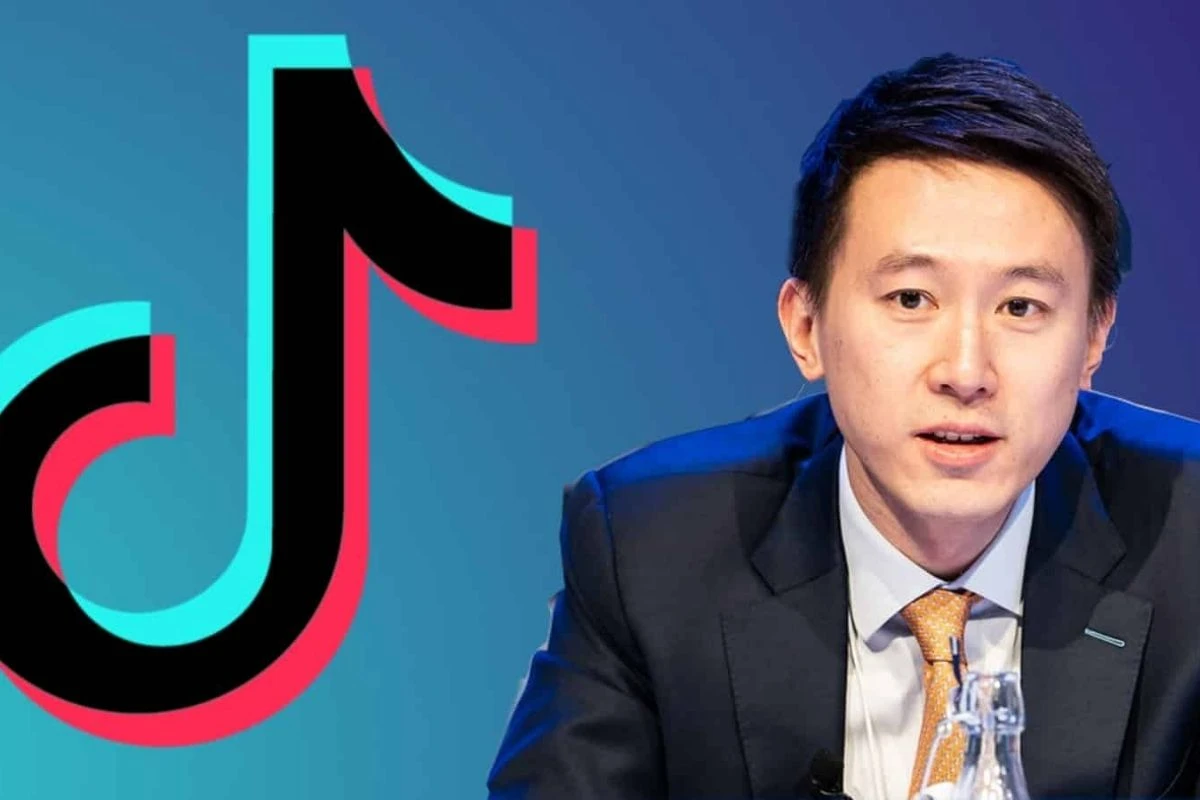
 

TikTok CEO Shou Zi Chew to Attend Trump Inauguration Amid US Ban Uncertainty

Shou Zi Chew, the CEO of TikTok, is set to attend U.S. President-elect Donald Trump’s inauguration, as reported by The New York Times. According to sources, Chew has been invited to sit in a position of honor during the event, traditionally reserved for former presidents, family members, and other distinguished guests.

TikTok and its Chinese parent company, ByteDance, have not yet commented on this development. The announcement comes at a time of significant uncertainty for the app in the U.S. Despite having over 170 million American users and generating an estimated $20 billion in revenue by 2025, TikTok faces the imminent threat of a ban due to national security concerns.

The U.S. government has mandated that ByteDance must divest its U.S. operations by January 19, or face a nationwide ban on the app. The law, signed by President Joe Biden last April, has triggered a legal battle, with the U.S. Supreme Court currently deliberating whether to uphold or pause the ban.

There are also reports that Trump is considering issuing an executive order that would delay the shutdown by 60 to 90 days, although the legal framework for such a move remains unclear. TikTok has made plans to shut down its U.S. operations on Sunday unless there is a last-minute intervention.

As the situation continues to unfold, the future of TikTok in the U.S. remains uncertain, with both the company and lawmakers exploring various potential solutions.


US Targets Chinese Companies Over AI Chips and Military Concerns

The Biden administration has blacklisted more than two dozen Chinese entities, including Zhipu AI, a prominent developer of large language models, and Sophgo, a company implicated in using Taiwan Semiconductor Manufacturing Company (TSMC) chips for Huawei’s AI processors. This move is part of the U.S.’s ongoing efforts to curb China’s access to advanced technology, particularly in the fields of artificial intelligence (AI) and military applications.

The U.S. Commerce Department added 25 Chinese companies, along with two Singapore-based companies, to its Entity List, effectively restricting their access to U.S. goods and technology without special licenses, which are typically denied. Zhipu AI, backed by major investors like Alibaba and Tencent, was blacklisted for its involvement in advancing China’s military AI capabilities. Sophgo, which supplied a chip found in Huawei’s Ascend 910B AI system, also came under scrutiny for its role in supporting Huawei’s AI ambitions, a company already restricted since 2019.

In response, Zhipu AI denied the allegations, claiming the decision lacked factual basis and wouldn’t significantly impact its operations. Similarly, Sophgo, an affiliate of Bitmain, a leading bitcoin mining equipment supplier, also rejected claims of any direct ties with Huawei.

The U.S. also implemented stricter rules for the export of semiconductors, specifically those used in AI applications, particularly targeting advanced chips at or below 14 or 16 nanometer nodes. The new regulations aim to prevent these chips from being used in military technologies or high-tech surveillance systems, further tightening restrictions on Chinese companies like Changxin Memory Technologies, a major DRAM producer.

The expanded controls also hold chipmakers accountable for ensuring that their products do not end up in the hands of restricted entities, including companies potentially linked to Huawei’s operations.

These moves are part of broader efforts by the U.S. to limit China’s access to critical technology, especially in areas like AI and advanced military systems, and to curtail the risk of sensitive technologies being diverted to entities like Huawei.