
Honda and Nissan Set to Merge in 2026 as Negotiations Begin: Reports

Honda Motor and Nissan Motor are in the early stages of finalizing a merger agreement, with talks expected to gain momentum in the coming weeks. According to reports from Japanese media, the two automakers are aiming to combine their operations by 2026. The merger would see the creation of a holding company, led by a president appointed by Honda. Negotiations between the two companies are set to begin later this week, and both automakers are anticipated to hold a press conference on Monday to provide further details after their respective board meetings.

On Monday morning, executives from Honda, Nissan, and Mitsubishi Motor Corp., Nissan’s junior partner, were spotted entering and leaving Japan’s transportation ministry. It is believed that they were there to inform officials about the launch of formal merger talks. However, when approached for comments, the executives remained tight-lipped, and spokespeople for both Honda and Nissan also declined to offer any immediate statements.

Reports suggest that the merger, which could see Nissan and Honda pool their resources in the face of growing competition in the global automotive market, is set to be officially finalized by 2026. According to the Yomiuri newspaper, the holding company resulting from the merger would be listed on the stock market, with Nissan’s shares experiencing a decline of up to 2.6% following the news. In contrast, Honda’s stock saw a slight increase of 2.1%. However, both companies have experienced significant declines in their stock prices over the course of the year, with Nissan’s share value dropping around 21%, and Honda’s down by 14.4% since January.

Both Honda and Nissan are grappling with serious challenges in an increasingly competitive market, particularly from the rapid rise of electric and hybrid vehicles produced by Chinese manufacturers. In response to these pressures, the two companies are exploring a merger as a means of strengthening their position in the automotive industry by pooling resources, sharing technology, and collaborating on research and development. This strategic move could help both companies better compete with newer entrants in the electric vehicle market while mitigating the financial strain they are currently experiencing.
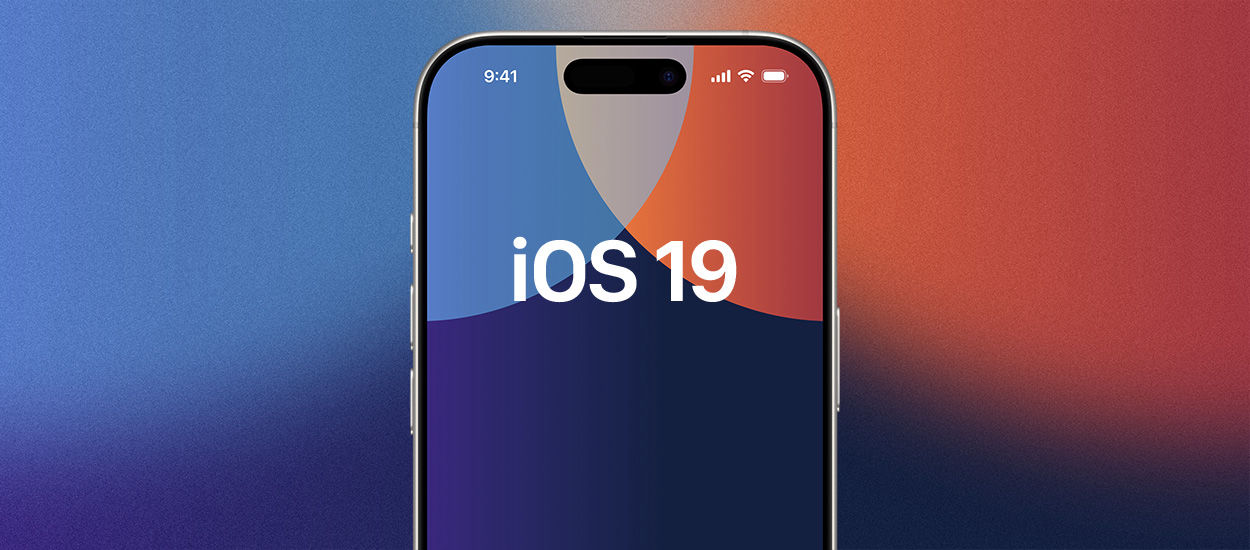

iOS 19 to Be Compatible with iPhone SE 2020 and All Devices Running iOS 18, Report Says

Apple is currently developing iOS 19, the next major update for iPhones, with a planned release set for late 2025. A recent report has shed light on which devices will be compatible with the new operating system. According to the details, iOS 19 will be supported by all iPhones currently running iOS 18, meaning that the latest models, such as the iPhone 16 series and iPhone 15 series, will receive the update when it rolls out. This move highlights Apple’s commitment to ensuring that a wide range of devices, including older models like the iPhone SE (2020), can benefit from the latest features and improvements.

The report, sourced from the French publication iphonesoft, suggests that iOS 19 will be a comprehensive update for the iPhone lineup. This compatibility list indicates that Apple plans to support a wide range of devices, ensuring users of both flagship and older iPhone models can continue to enjoy new features. For iPhone owners, this means that their current devices, as long as they’re running iOS 18, should be able to upgrade to iOS 19, extending the lifespan of their smartphones and offering a seamless user experience.

However, the situation is a bit different for iPadOS 19. According to the same report, iPadOS 19 will likely drop support for the iPad (7th generation). This model, which uses Apple’s A10 Fusion chip, will be excluded from the update since the new iPadOS is expected to require devices with at least the A12 chip. This marks a distinction between iPhone and iPad support, as Apple’s tablets will not be as widely compatible with the new update compared to the iPhone lineup. This change could impact users of older iPad models who might not be able to access the latest features and enhancements.

Despite this, iOS 19’s broad compatibility with iPhone models is a positive step for users who want to keep their devices up to date with the latest software without needing to upgrade to newer hardware. By supporting devices like the iPhone SE (2020), Apple is ensuring that even older models will continue to receive updates, helping users get the most out of their current devices. As we approach the fall of 2025, more details will likely emerge, especially regarding the specific features and improvements iOS 19 will bring to compatible devices.

Biodegradable Microbeads Could Serve as Eco-Friendly Alternative to Plastic Exfoliants in Skincare

Researchers have recently developed a biodegradable microbead made from a polymer, offering a promising solution to replace plastic exfoliants commonly used in skincare products. These new beads, which break down into sugar and amino acid-like substances, provide an eco-friendly alternative to the plastic microbeads that have raised environmental concerns in recent years. Published in Nature Chemical Engineering on December 6, the study highlights the potential of these polymer-based microbeads to deliver effective exfoliation results while being safer for the environment. Made from poly(β-amino ester), the microbeads have shown to provide the same benefits as plastic alternatives but without the long-lasting environmental impact.

Ana Jaklenec, a biomedical engineer at MIT, explained that this breakthrough could encourage the materials industry to explore more sustainable, non-microplastic alternatives. While the polymer is already utilized in medical applications like drug delivery, its use in skincare products marks an exciting new avenue for innovation. The success of these biodegradable microbeads may inspire further research into developing environmentally responsible ingredients for the cosmetic industry, which has been under increasing pressure to reduce its reliance on harmful plastics.

In terms of performance, the new microbeads have been put to the test using pig skin samples to evaluate their cleaning effectiveness. When mixed with soap foam, the polymer-based beads were able to remove 74% of permanent marker ink after just 50 wipes, outperforming soap foam alone, which only removed 38%. Additionally, the beads were highly efficient at removing eyeliner, clearing twice as much as regular soap. These results demonstrate that the biodegradable microbeads can effectively replace plastic alternatives without compromising on cleaning power.

Another key advantage of the new polymer microbeads is their biodegradability. Degradation tests revealed that more than 94% of the polymer broke down into harmless sugar-like and amino acid-like molecules within two hours when exposed to boiling water. This rapid breakdown process makes the beads an ideal choice for use in personal care products, ensuring that they won’t contribute to long-term pollution in water systems or ecosystems. The successful development of these biodegradable microbeads represents a step forward in making the beauty and personal care industry more sustainable.