Apple to Pay $95 Million to Settle Siri Privacy Lawsuit

Apple Inc. has agreed to pay $95 million to settle a class-action lawsuit alleging its Siri voice assistant violated users’ privacy by unintentionally recording private conversations and sharing them with third parties, such as advertisers.

The preliminary settlement was filed on Tuesday in the federal court in Oakland, California, and awaits approval from U.S. District Judge Jeffrey White. Plaintiffs in the case claimed that Siri routinely recorded conversations without users’ consent when triggered unintentionally by “hot words” like “Hey, Siri.”

Allegations and Examples

Users reported that these unauthorized recordings led to targeted ads. For instance, two plaintiffs said discussions about Air Jordan sneakers and Olive Garden resulted in related advertisements. Another claimed to have received ads for a surgical treatment after discussing it privately with a doctor.

The class-action period covers Siri-enabled devices purchased between September 17, 2014, and December 31, 2024, beginning with the rollout of the “Hey, Siri” feature.

Settlement Details

Tens of millions of users are eligible for compensation, with potential payouts of up to $20 per device, including iPhones and Apple Watches. Apple has denied any wrongdoing but agreed to the settlement to resolve the claims.

The plaintiffs’ lawyers may request up to $28.5 million in legal fees and $1.1 million for expenses from the settlement fund.

Apple has not yet commented on the settlement.

Context and Broader Implications

The $95 million settlement represents about nine hours of profit for Apple, which reported a net income of $93.74 billion in its most recent fiscal year.

This lawsuit follows a trend of scrutiny over voice-activated assistants and user privacy. A similar case is pending against Google for its Voice Assistant, filed in the same judicial district as the Apple case. Both lawsuits are being handled by the same legal teams.

The case against Apple is Lopez et al. v. Apple Inc., U.S. District Court, Northern District of California, No. 19-04577.
 

Do Kwon Pleads Not Guilty to U.S. Fraud Charges in $40 Billion Crypto Collapse

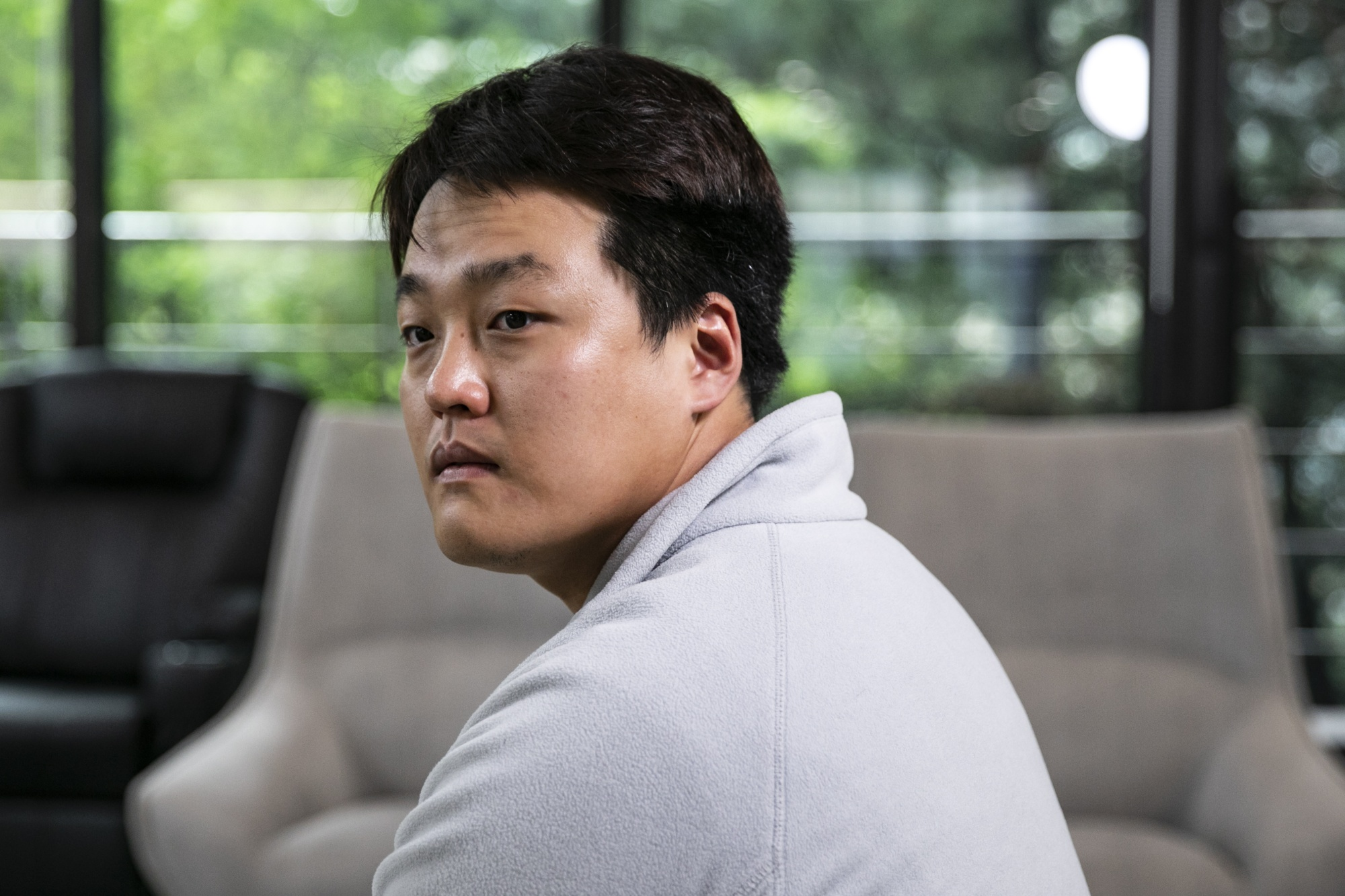
Do Kwon, the South Korean founder of Terraform Labs, pleaded not guilty on Thursday to U.S. fraud charges related to the collapse of his cryptocurrencies TerraUSD and Luna, which resulted in an estimated $40 billion in losses in 2022. The plea followed Kwon’s extradition from Montenegro earlier this week.

Federal prosecutors in Manhattan unsealed a nine-count indictment against Kwon, charging him with securities fraud, wire fraud, commodities fraud, and conspiracy to commit money laundering. The allegations stem from claims that Kwon deceived investors about the stability and mechanisms of TerraUSD, a so-called stablecoin intended to maintain a value of $1.

Court Proceedings

At the hearing before U.S. Magistrate Judge Robert Lehrburger, Kwon, 33, appeared in casual attire as his lawyer, Andrew Chesley, entered the plea. Kwon was ordered to remain detained, as his legal team did not request bail. He is scheduled to return to court on January 8.

Prosecutors allege that in 2021, Kwon falsely claimed that the “Terra Protocol,” a computer algorithm, restored TerraUSD’s value when it dipped below its $1 peg. In reality, prosecutors assert, a high-frequency trading firm secretly purchased millions of dollars worth of TerraUSD to artificially stabilize its price. These actions allegedly misled retail and institutional investors, driving up the value of Luna, a related cryptocurrency, to $50 billion by early 2022.

When TerraUSD’s value plummeted again in May 2022, prosecutors said efforts to support its price failed, leading to a crash that impacted other cryptocurrencies, including Bitcoin, and caused widespread market disruption.

Legal and Financial Fallout

In June, Kwon agreed to an $80 million civil fine and a ban on crypto transactions as part of a $4.55 billion settlement with the U.S. Securities and Exchange Commission (SEC). The SEC had previously identified Jump Trading as the firm that supported TerraUSD’s price in 2021, though prosecutors have not named it in the current case.

Terraform Labs declared bankruptcy in January 2023, and Kwon faced additional legal troubles in Montenegro, where he was detained on forgery charges in March 2023 before being extradited to the U.S.

Industry-Wide Reckoning

Kwon is among several cryptocurrency leaders facing legal scrutiny following the 2022 downturn in digital asset prices. Sam Bankman-Fried, founder of FTX, is appealing his conviction and 25-year sentence for defrauding customers out of $8 billion, while Alex Mashinsky, former CEO of Celsius Network, recently pleaded guilty to fraud charges.

As one of the most high-profile cases in the crypto sector, Kwon’s trial is expected to serve as a critical test of accountability in the rapidly evolving cryptocurrency market.


IBM and GlobalFoundries Settle Legal Disputes Over Contract and Trade Secrets

IBM and GlobalFoundries announced on Thursday that they have resolved their legal disputes, settling lawsuits involving allegations of contract breaches and trade secret misuse. The confidential settlement, outlined in a joint statement, will enable the two companies to “explore new opportunities for collaboration.”

The lawsuits stemmed from GlobalFoundries’ 2015 acquisition of IBM’s semiconductor manufacturing facilities. In 2021, IBM filed a lawsuit in New York state court, claiming GlobalFoundries had violated a $1.5 billion agreement to produce high-performance chips for the tech giant.

In response, GlobalFoundries, majority-owned by Abu Dhabi’s Mubadala sovereign wealth fund, filed a countersuit in New York federal court in 2023. The company accused IBM of misappropriating its trade secrets and sharing proprietary chipmaking information with competitors, including Intel and Japan’s Rapidus consortium, during collaborative partnerships.

Intel has declined to comment on the settlement, while Rapidus did not respond to inquiries regarding the matter.

GlobalFoundries’ Strategic Positioning

GlobalFoundries has recently solidified its role in the semiconductor industry, benefiting from government incentives aimed at boosting domestic chip production. In November, the U.S. Commerce Department awarded the company a $1.5 billion subsidy to expand its manufacturing facilities in New York and Vermont.

This settlement marks the end of a contentious chapter between the two companies and signals a potential reset in their relationship. Both IBM and GlobalFoundries appear poised to focus on future collaboration as the semiconductor sector faces growing demand and geopolitical pressures.