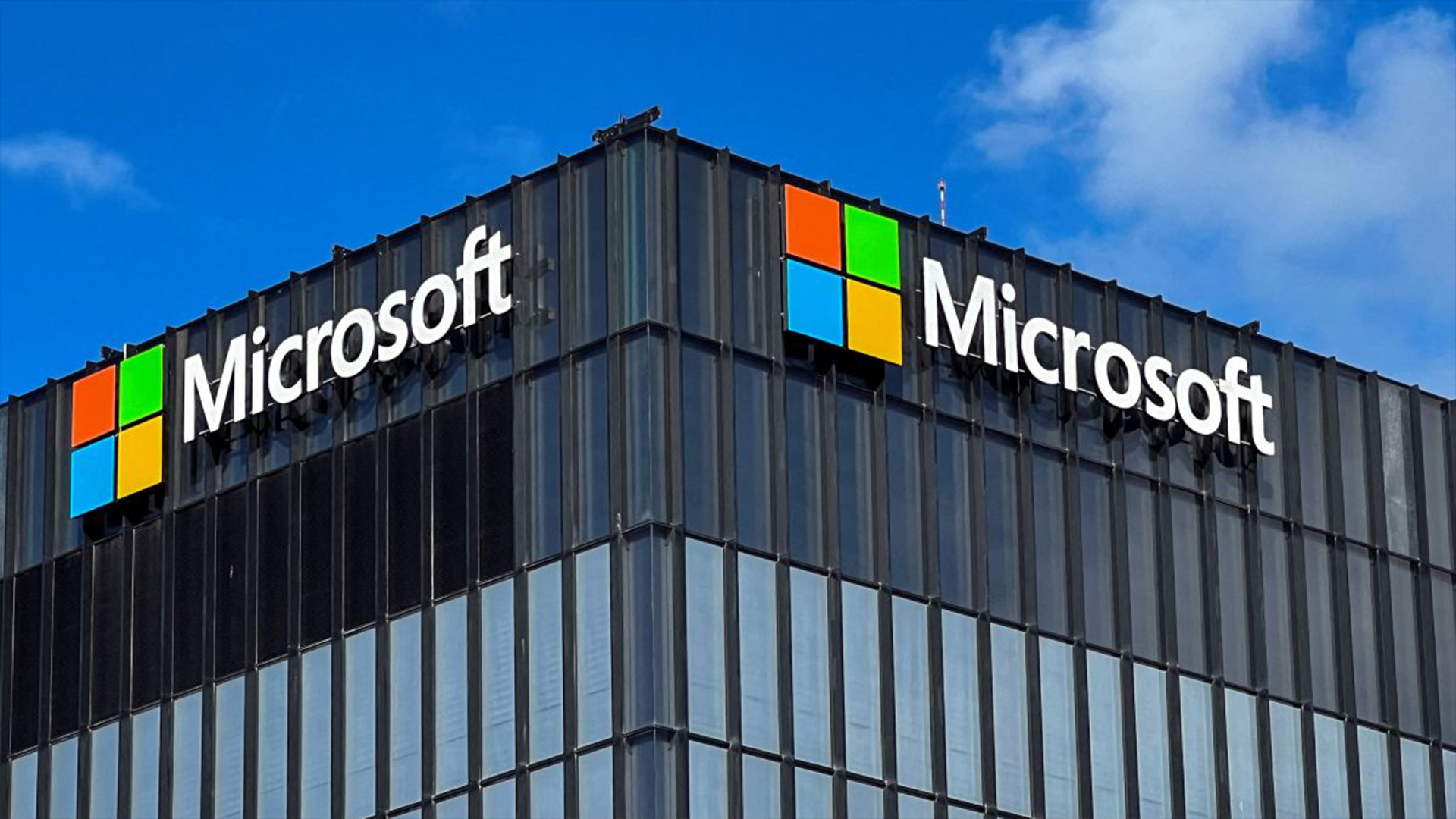
Microsoft and G42 to Add 200 MW of Data Center Capacity in $15 Billion UAE Investment Push

Microsoft and Abu Dhabi’s G42 announced plans on Wednesday to expand data center capacity in the United Arab Emirates by 200 megawatts, marking a major milestone in the U.S. tech giant’s $15 billion investment drive across the Gulf region.

The new capacity will be delivered through Khazna Data Centers, a G42 subsidiary, and is expected to begin operations before the end of next year, the companies said in a joint statement. The project forms part of a sweeping effort to transform the UAE into a global hub for artificial intelligence and cloud computing.

Microsoft said its total investment in the UAE will reach $7.3 billion between 2023 and the end of 2025, with another $7.9 billion planned for 2026 through 2029. The expansion underscores the deepening ties between the company and G42, following Microsoft’s $1.5 billion investment last year for a minority stake in the Abu Dhabi-based AI and cloud firm.

G42, backed by Mubadala, Silver Lake, and billionaire Ray Dalio’s family office, has emerged as one of the Middle East’s leading AI players. The UAE government has been channeling billions into the sector to boost economic diversification and technological self-reliance.

The companies also confirmed that the Trump administration has approved exports of Nvidia’s advanced chips for data centers in the Gulf country — a key step in enabling large-scale AI model training and cloud services.

“The expansion strengthens Microsoft Azure’s secure, scalable, and sovereign cloud infrastructure in the UAE,” the firms said.

Pinterest Shares Plunge 18% as Ad Competition and Tariff Pressures Hit Growth Outlook

Pinterest shares tumbled 18% on Wednesday after the company issued a weaker-than-expected revenue forecast, raising concerns that the image-sharing platform is losing ground to larger digital advertising rivals amid growing tariff-related pressures. If losses hold, the drop would wipe about $4.36 billion off Pinterest’s market value.

The sharp decline contrasts with strong third-quarter results from advertising heavyweights Alphabet, Meta, and Reddit, all of which reported robust ad spending fueled by AI-powered targeting and larger global reach. Analysts said Pinterest’s smaller scale and slower innovation pace are limiting its ability to compete effectively.

Chief Financial Officer Julia Donnelly cited weaker ad spending in the United States and Canada — Pinterest’s biggest markets — as retailers face thinner margins due to new tariffs. “Larger U.S. retailers are navigating tariff-related margin pressure,” Donnelly said, adding that China-based e-commerce giants such as Temu and Shein have also reduced marketing budgets after the removal of the “de minimis” import exemption.

Pinterest now expects revenue between $1.31 billion and $1.34 billion for the current quarter, with the midpoint slightly below analyst expectations of $1.34 billion, according to LSEG data.

“Performance has been fine, but we struggle to see a catalyst for growth,” said analysts at Piper Sandler. Morgan Stanley added that Pinterest “failed to deliver” in a market increasingly rewarding innovation and upward earnings revisions.

Despite Wednesday’s steep loss, Pinterest shares remain up 13.6% for the year — outpacing Meta’s 7.2% gain over the same period.

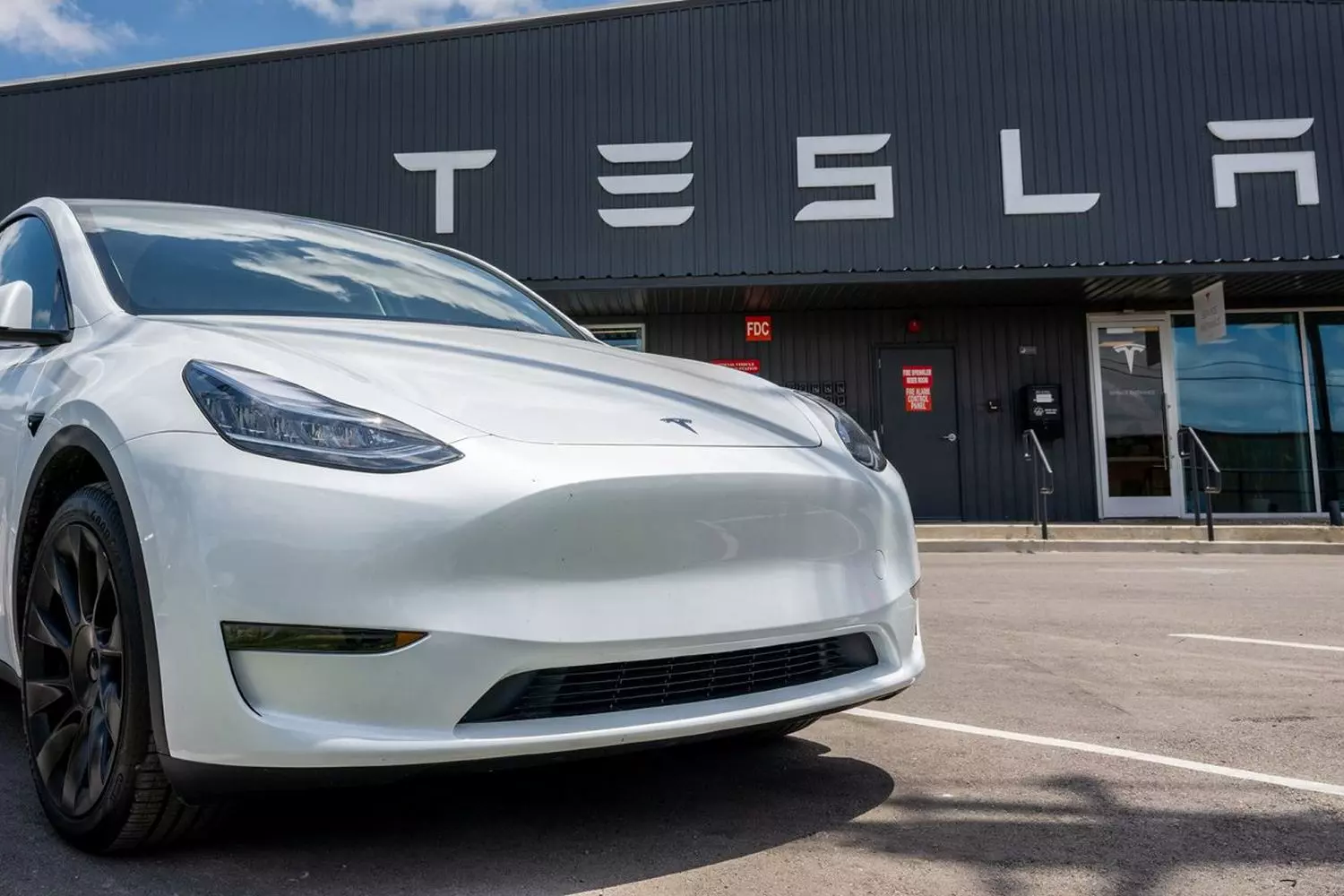
Tesla Board Warns Shareholders: Approve Musk’s Record Pay Deal—or Risk Losing Him

Tesla’s board of directors has issued its starkest message yet to investors: approve CEO Elon Musk’s nearly $878 billion stock-based compensation package—or risk his departure and a potential collapse in Tesla’s market value. Shareholders are set to vote on Thursday in what is shaping up to be one of the most consequential corporate pay decisions in history.

The proposal ties Musk’s potential payout to Tesla reaching an $8.5 trillion market capitalization over the next decade, a goal that would make him the first CEO in history to earn close to $1 trillion. Even if he falls short of some milestones, Musk would still collect tens of billions in stock awards.

Supporters argue that Musk’s leadership and vision justify the extraordinary package, crediting him with transforming Tesla into a $1.5 trillion company that dominates the electric vehicle sector and is pivoting toward artificial intelligence, robotaxis, and humanoid robots. “If the stock goes up sixfold, I’ll make a fortune too,” said investor Nancy Tengler. “Why should I care what Musk makes if he delivers?”

Critics, however, see the deal as a governance nightmare. The California Public Employees’ Retirement System (CalPERS) and Norway’s sovereign wealth fund have both announced they will vote against it, citing the concentration of power and shareholder dilution. Corporate governance expert Charles Elson said the board was being “held over a barrel by a superstar CEO.”

Board Chair Robyn Denholm has defended the deal, warning shareholders that without Musk, Tesla could “lose significant value.” Harvard professor Krishna Palepu argued that the proposal aligns Musk’s interests with shareholders, as he must achieve substantial growth before collecting the payout.

The outcome may hinge on Musk’s own 15% stake, which Texas law allows him to vote—unlike under Tesla’s prior Delaware incorporation. Critics say this, along with Texas’ new litigation rules that make it harder for investors to sue, stacks the deck in Musk’s favor.

“The board is facing a classic holdup,” said Cornell law professor Charles Whitehead. “They’ve bet the company on one man—and have no plan if he walks away.”