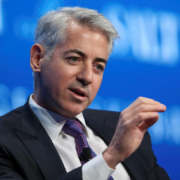
Ackman’s Pershing Square Takes Stake in Meta, Sells Hilton

Billionaire investor Bill Ackman has added Meta Platforms to his hedge fund portfolio while exiting its position in Hilton Worldwide Holdings, signaling a renewed focus on artificial intelligence-driven growth.

Ackman’s firm, Pershing Square Capital Management, invested roughly $2 billion—about 10% of its capital—into Meta late last year. The fund’s investment team said they believe Meta’s share price underestimates the long-term upside potential from AI, particularly in content recommendation systems, targeted advertising, and future AI-powered products such as digital assistants and wearables.

Despite investor concerns about Meta’s rising AI-related spending, Pershing Square argues the technology investments could strengthen engagement and revenue over time. Meta shares have declined modestly over the past year but have risen since the hedge fund initiated its position, according to client materials.

The move fits Ackman’s concentrated investment style. Known for holding a limited number of high-conviction positions, he previously invested in major technology names including Amazon and Alphabet. The shift away from Hilton and toward Meta highlights a broader trend among large investors rotating capital toward AI-linked opportunities.

US Lawmakers Urge Tighter Curbs on China Chip Tools

U.S. lawmakers are pressing for stricter export controls to limit China’s access to advanced semiconductor manufacturing equipment, warning that existing gaps pose risks to national security. In a bipartisan letter, senior members of the House called on the State and Commerce Departments to pursue broader, countrywide restrictions in coordination with allied nations.

House Select Committee on China Chairman John Moolenaar and House Foreign Affairs Committee Chairman Brian Mast urged tighter controls on key chipmaking tools and subcomponents that China cannot produce domestically. The letter was addressed to Secretary of State Marco Rubio and Commerce Secretary Howard Lutnick, and called for restrictions not only on new equipment sales but also on servicing existing tools operating in Chinese facilities.

Lawmakers argue that maintenance and software updates are critical for advanced chipmaking systems to remain operational, and limiting such support could slow China’s semiconductor progress. The request comes amid concerns that Beijing is accelerating imports of foreign-made equipment essential for producing high-end chips.

The debate has intensified following reports that Chinese researchers have developed a prototype lithography machine modeled on extreme ultraviolet systems produced by ASML. EUV lithography tools are considered crucial for manufacturing the most advanced chips used in artificial intelligence, smartphones, and defense systems.

Congressional leaders have asked the administration to provide a strategy briefing within a month outlining how it plans to secure allied cooperation on expanded export controls. The move reflects growing bipartisan consensus in Washington that semiconductor supply chains remain a central front in U.S.–China technological competition.

Musk Says xAI Reorganized, Resulting in Layoffs

Elon Musk said xAI has undergone a reorganization that resulted in layoffs, as the artificial intelligence company moves to streamline operations during a period of rapid expansion. In a post on X, Musk said the restructuring was aimed at improving execution speed but required “parting ways with some people.”

The changes come shortly after SpaceX announced plans to acquire xAI in a deal that would create a combined entity valued at approximately $1.25 trillion, with ambitions to pursue a public listing later this year. The merger is expected to support Musk’s broader strategy, including plans to deploy large-scale data centers in space.

Leadership shifts have also followed the restructuring. xAI co-founders Tony Wu and Jimmy Ba confirmed their resignations this week, bringing the number of original founders who have left the company to half of its initial twelve.

The reorganization signals a pivotal moment for xAI, which has been scaling its AI models and infrastructure amid intense global competition. The company’s next phase will likely focus on integrating operations with SpaceX while maintaining momentum in the fast-moving AI sector.