
NFL Eyes Nontraditional Media Partners for Live Games

The National Football League plans to hold talks with media companies outside its traditional broadcast partners about selling rights to live games, according to comments by the league’s media chief to CNBC. The move reflects the NFL’s effort to evaluate new distribution models as digital platforms increasingly rival broadcast television.

NFL executive Hans Schroeder said the league is exploring conversations with companies that may not seek a full rights package but could be interested in airing a single live game. The goal, he said, is to understand all available options and determine the best approach for fans, teams, and the league’s long-term strategy.

The league has already taken steps in this direction. Last season, it sold rights to a Week One game to YouTube, owned by Google, reportedly for about $100 million, signaling how streaming platforms can now deliver audiences comparable to traditional broadcasters.

Looking ahead, the NFL is set to host a record nine international games next season and could create a new media package for some of those matchups as early as next year. The discussions highlight how shifting viewing habits are expanding the league’s options as it balances reach, revenue, and fan engagement.
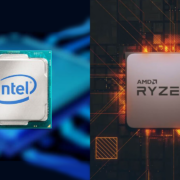

Intel, AMD Warn China Clients of Lengthy CPU Delays

Intel and AMD have notified customers in China of significant supply shortages for server central processing units, with delivery lead times stretching weeks—and in some cases months—according to people familiar with the matter. Intel has warned some clients that deliveries could take up to six months, while AMD has flagged delays of eight to ten weeks for certain products.

The constraints have pushed prices for Intel’s server CPUs in China up by more than 10% in general, sources said, as booming investment in artificial intelligence infrastructure strains not only AI accelerators but the broader supply chain. Shortages appear especially acute for Intel’s fourth- and fifth-generation Xeon processors, where deliveries are being rationed amid a backlog of unfulfilled orders.

Intel said rapid AI adoption has driven strong demand for “traditional compute,” adding that inventories are at their lowest in the first quarter but should improve from the second quarter through 2026. AMD said it has boosted supply capacity and remains confident in meeting global demand through supplier agreements, including its manufacturing partnership with TSMC.

China accounts for more than 20% of Intel’s revenue, with major customers including cloud and server providers such as Alibaba and Tencent. The shortages reflect manufacturing constraints, capacity prioritization for AI chips, and tight memory supply—pressures that are compounding challenges for AI developers and enterprise customers alike.

Big Tech’s Quarter in Four Charts: AI Spending and Cloud Growth

U.S. technology giants are sharply increasing spending as they double down on artificial intelligence, intensifying investor scrutiny over whether returns can justify lofty valuations. Companies including Alphabet, Microsoft, Amazon, and Meta Platforms are expected to pour more than $630 billion into AI-related investments this year, even as profitability gains lag the pace of outlays.

Capital spending highlights the scale of the push. Amazon is leading with plans for roughly $200 billion, followed by Alphabet at up to $185 billion and Meta at as much as $135 billion. Analysts warn that markets are increasingly unforgiving of heavy investment without clear signals of returns on invested capital.

Cloud performance shows divergent momentum. Google Cloud delivered the fastest growth in the December quarter, rising 48%, buoyed by adoption of its Gemini AI model. Amazon Web Services posted 24% growth, while Microsoft Azure grew 39%.

Profit trends were uneven as higher costs weighed on Amazon and Meta, while Microsoft reported its strongest profit growth in two years. Market capitalization reflected shifting sentiment: optimism around Gemini and partnerships tied to Apple’s Siri refresh helped Alphabet’s shares outperform peers in recent months. Together, the charts underscore a sector betting big on AI—while investors wait for clearer proof of payoff.