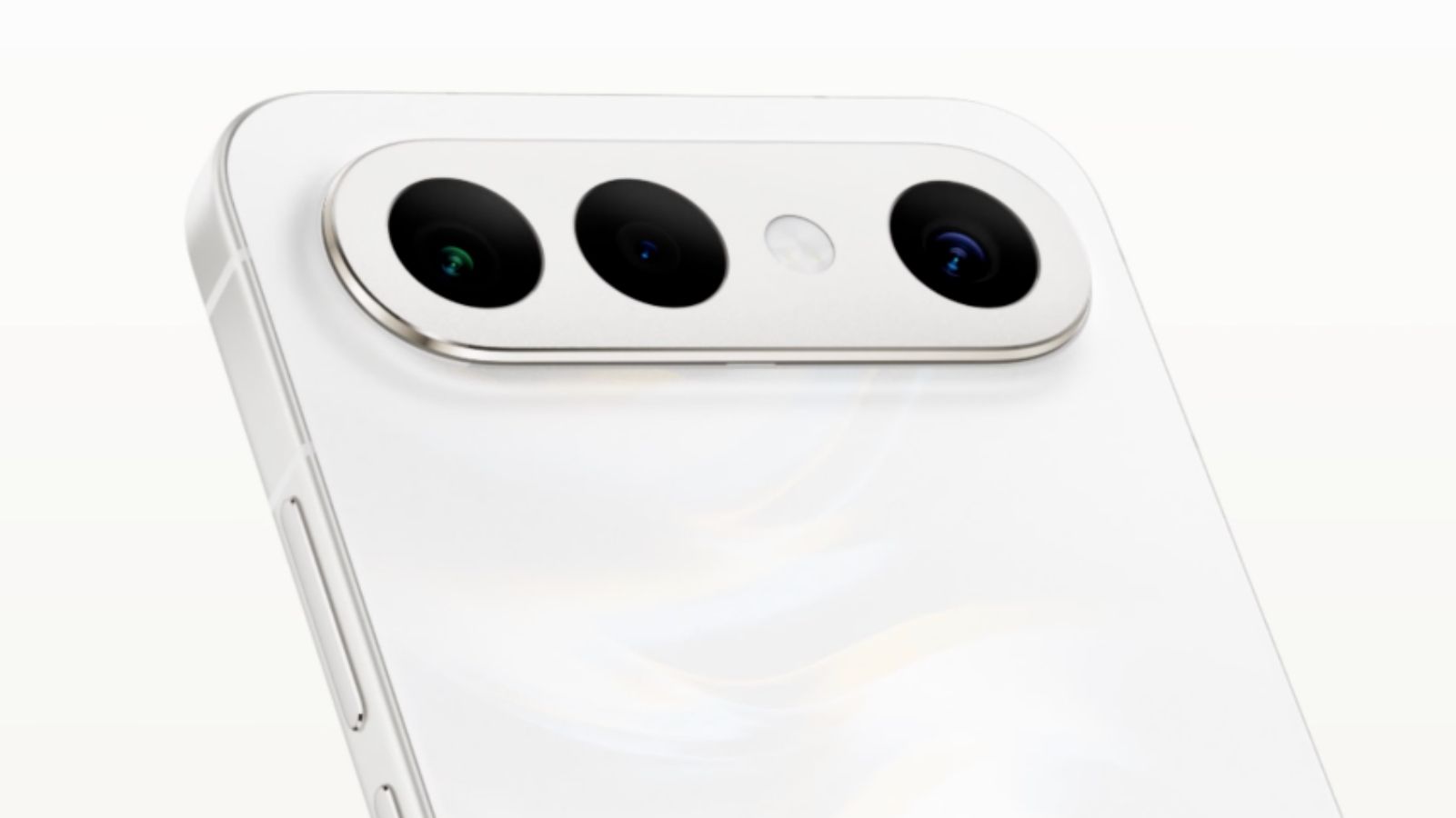
iPhone 18 Pro New Leak Reveals Bold New Colour Options for 2026

A fresh leak has stirred excitement around Apple’s next flagship, suggesting that the upcoming iPhone 18 Pro lineup could introduce a refined set of new colour options. While Apple has yet to make any official announcements, early renders shared by a known tipster hint at a design direction that blends familiarity with subtle changes. These preliminary visuals aren’t confirmed, but they offer a glimpse into what the next generation of Pro models might look like when they arrive later this year.

According to information circulated on Weibo by tipster WhyLab, the iPhone 18 Pro models may be available in three main finishes: grey, silver, and a striking dark red. The leak includes unofficial renders that showcase these colours, giving enthusiasts an early idea of Apple’s potential aesthetic choices. As with most early leaks, the final product could differ, but the consistency of these claims is adding weight to the speculation.

The dark red variant, in particular, is drawing attention. Apple has largely avoided bold colours in its Pro lineup in recent years, sticking instead to more muted, premium tones. A deeper red finish could mark a shift in that strategy, offering something more distinctive while still maintaining the high-end feel associated with the Pro series. Previous reports, including those from Bloomberg’s Mark Gurman, have also suggested that Apple has been experimenting with richer shades for upcoming models.

One possible reason behind this expanded colour palette could be tied to design changes introduced in recent generations. The move toward an aluminium unibody construction may allow Apple greater flexibility in producing new finishes compared to earlier materials. If these rumours hold true, the iPhone 18 Pro lineup could stand out not just for its performance upgrades, but also for a more expressive and varied design language.

Nvidia Invests $2 Billion in Marvell to Strengthen AI Ecosystem

Nvidia has invested $2 billion in Marvell Technology as part of a broader strategy to maintain its central role in the rapidly evolving artificial intelligence infrastructure market.

The investment is designed to improve compatibility between Marvell’s semi-custom AI chips and Nvidia’s ecosystem, including its networking technologies and processors. As more companies explore custom silicon to reduce reliance on Nvidia’s high-cost GPUs, the move helps ensure those alternatives still integrate within Nvidia-dominated data center environments.

Marvell specializes in custom chip design and advanced networking solutions, particularly in optical interconnects and silicon photonics — technologies critical for high-speed, energy-efficient data transfer in large-scale AI systems.

Through this partnership, Marvell will provide custom silicon and networking components compatible with Nvidia’s NVLink Fusion architecture, while Nvidia will supply CPUs, network interface cards and interconnect technologies.

The deal reflects a strategic shift: rather than competing directly with all custom chip providers, Nvidia is positioning itself as the foundational platform enabling diverse AI hardware ecosystems.

Major technology firms such as Alphabet and Meta Platforms are expected to collectively spend over $600 billion on AI infrastructure this year, significantly boosting demand for advanced semiconductors and networking hardware.

Following the announcement, Marvell shares rose around 7%, while Nvidia also recorded gains, signaling strong investor confidence in the partnership.

Intel Buys Back Ireland Plant Stake for $14.2 Billion

Intel will spend $14.2 billion to repurchase the 49% stake in its Ireland manufacturing facility that it previously sold to Apollo Global Management, regaining full ownership of the site.

The stake was originally sold in 2024 for $11.2 billion as part of a joint venture, providing Intel with liquidity during a period of financial pressure and heavy investment in global manufacturing expansion.

The facility, located in Leixlip near Dublin, is a key production site known as Fab 34. It manufactures advanced chips using Intel 4 and Intel 3 process technologies, including Core Ultra processors for personal computers and Xeon processors for data centers.

Intel’s decision to buy back the stake reflects improved financial conditions and renewed demand driven by artificial intelligence workloads. The company has been restructuring under CEO Lip-Bu Tan, focusing on cost discipline, asset optimization and regaining competitiveness in the semiconductor market.

The transaction will be funded through a combination of available cash and approximately $6.5 billion in new debt. Intel expects the move to enhance profitability and strengthen its credit profile starting in 2027.

The development also signals Intel’s strategic shift toward consolidating control over critical manufacturing assets as it ramps up next-generation technologies such as its 18A process node, which may eventually be offered to external clients.

Following the announcement, Intel shares rose more than 10%, reflecting investor confidence in the company’s turnaround strategy.