Google-Backed Isomorphic Labs Delays Clinical Trial Timeline

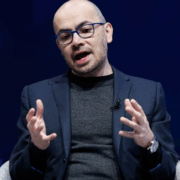
Isomorphic Labs, an artificial intelligence-driven drug discovery company backed by Google, now expects to begin its first clinical trials by the end of 2026, marking a delay from its earlier plans, founder and CEO Demis Hassabis said on Tuesday.

Speaking at the World Economic Forum in Davos, Hassabis said the revised timeline reflects the complexity of translating AI-designed drug candidates into human trials. Last year, he had indicated that Isomorphic aimed to have its first AI-developed medicines enter clinical testing by the end of 2025.

Founded in 2021, Isomorphic Labs was spun out of Google DeepMind, which Hassabis also leads. The company applies AI to accelerate drug discovery by improving how potential medicines are designed and evaluated.

Interest in AI-powered drug development has surged as pharmaceutical companies look to shorten research timelines and reduce costs. One of DeepMind’s most prominent achievements, AlphaFold, demonstrated AI’s potential by accurately predicting protein structures, a key challenge in biology.

Isomorphic raised $600 million in its first external funding round last year, led by Thrive Capital, underscoring strong investor confidence despite the longer path to clinical trials.

Mubadala Targets Opportunities in AI and Robotics, CEO Says

Abu Dhabi sovereign wealth fund Mubadala is stepping up its focus on artificial intelligence and robotics, identifying the convergence of the two as a key driver of future industrial growth, according to its group chief executive.

Speaking at the World Economic Forum in Davos, Khaldoon Al Mubarak said the intersection of AI and robotics could significantly reshape manufacturing and broader industry. He noted that the pace of technological change has shortened traditional investment horizons, making even five-year outlooks difficult to predict.

With assets of about $330 billion, Mubadala has expanded its technology portfolio in recent years, building positions across semiconductors, data centres, and AI infrastructure. Al Mubarak said robotics is becoming increasingly relevant as AI capabilities mature and begin to translate into physical automation.

Beyond industrial technology, Mubadala is also prioritising investments in life sciences, healthcare, and biotechnology, sectors the CEO said are likely to be transformed by AI-driven innovation. He added that the fund is preparing for a new phase of growth in Africa, as it looks to diversify geographically while aligning with long-term structural trends.

Oppo Reno 15 FS 5G Debuts With 6,500mAh Battery and 80W Charging

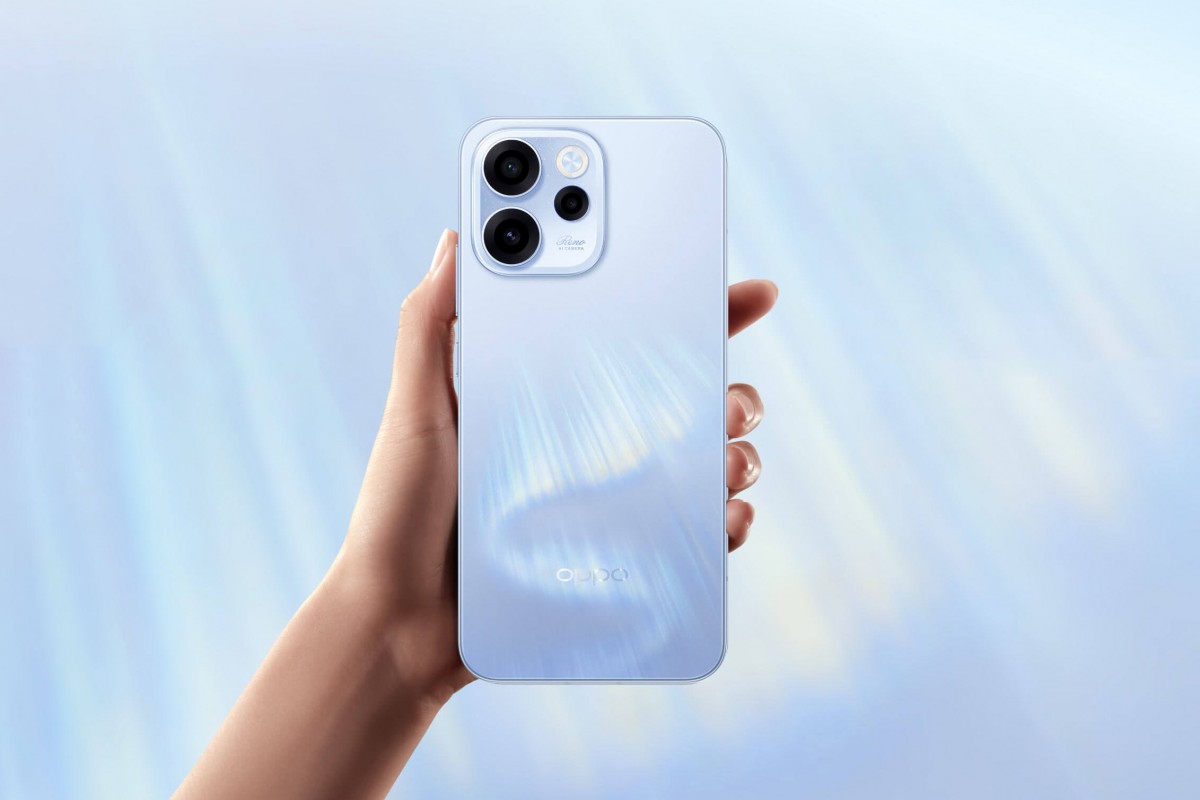
Oppo Reno15 FS launches with SD 6 Gen 1 and 6,500mAh battery - GSMArena.com  news

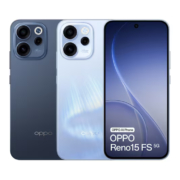
Oppo has officially expanded its smartphone portfolio in Europe with the launch of the Oppo Reno 15 FS 5G. The new handset joins the already crowded Reno 15 series, which includes multiple variants such as the Reno 15, Reno 15 Pro, Reno 15 Pro Max, Reno 15 Pro Mini, Reno 15C, and Reno 15F. While closely resembling the Reno 15F, the FS model introduces subtle differences aimed at users seeking premium features with ample storage.

The Reno 15 FS 5G is offered in a single configuration featuring 8GB of RAM and 512GB of internal storage, making it suitable for heavy multitasking and media consumption. Compared to the Reno 15F, the FS variant comes with a slightly smaller 6,500mAh battery, while still retaining support for 80W fast charging, ensuring quick top-ups despite the large battery capacity.

In terms of pricing and availability, the smartphone is already listed on Oppo’s official European websites. In Poland, the device is priced at PLN 1,599 (approximately Rs. 40,600), while customers in Italy can purchase it for EUR 469.99 (around Rs. 50,200). The handset is available in two stylish colour options — Aurora Blue and Twilight Blue — across select European markets.

On the specifications front, the Oppo Reno 15 FS 5G features a 6.57-inch Full-HD+ AMOLED display with a 120Hz refresh rate and 240Hz touch sampling rate. The screen offers up to 1,400 nits peak brightness, 100 percent DCI-P3 colour gamut coverage, and support for 10-bit colour depth, delivering up to 1.07 billion colours. For durability, the display is protected by Gorilla Glass along with AGC DT-STAR D+ glass, enhancing resistance against scratches and everyday wear.