Google Launches Multiple Open-Source Translation Models Following ChatGPT Translate

Google launches open AI translation models challenging ChatGPT Translate

Google has continued its aggressive push in the artificial intelligence (AI) space in 2026. Following a series of initiatives including a partnership with Apple, the launch of new shopping tools, the introduction of Personal Intelligence in Gemini, and the integration of a chatbot into its Trends website, the company is now focusing on the open community. Its latest move comes with the release of TranslateGemma, a set of multilingual AI models designed for translation across a wide range of languages, supporting both text and image (input only) modalities.

In a recent blog post, Google announced three different variants of the TranslateGemma models. These AI models are available for download through Google’s Hugging Face listing and Kaggle, and can also be accessed via Vertex AI, the company’s cloud-based AI hub. Google has released the models under a permissive licence, enabling both academic and commercial use cases, which encourages broader adoption and experimentation by developers and enterprises alike.

The TranslateGemma models come in three sizes: 4B, 12B, and 27B parameters. The smallest, 4B model, is optimized for mobile and edge deployment, while the 12B variant targets consumer laptops, balancing performance and efficiency. The largest, 27B model, provides maximum translation fidelity and can run locally on a single Nvidia H100 GPU or TPU, making it suitable for high-demand environments and research applications.

With this release, Google is aiming to democratize AI-powered translation and provide the developer community with robust, versatile tools. By making TranslateGemma models open-source and easy to deploy across different devices, Google is reinforcing its commitment to accessible AI and strengthening its position in the multilingual AI ecosystem. The move also highlights the growing importance of translation technology in enabling global communication and cross-cultural collaboration.

Lava Blaze Duo 3 Set to Launch in India; Company Teases Colour Variants Ahead of Release

Lava launches Blaze Duo 3 with dual displays, stronger performance and  aggressive pricing

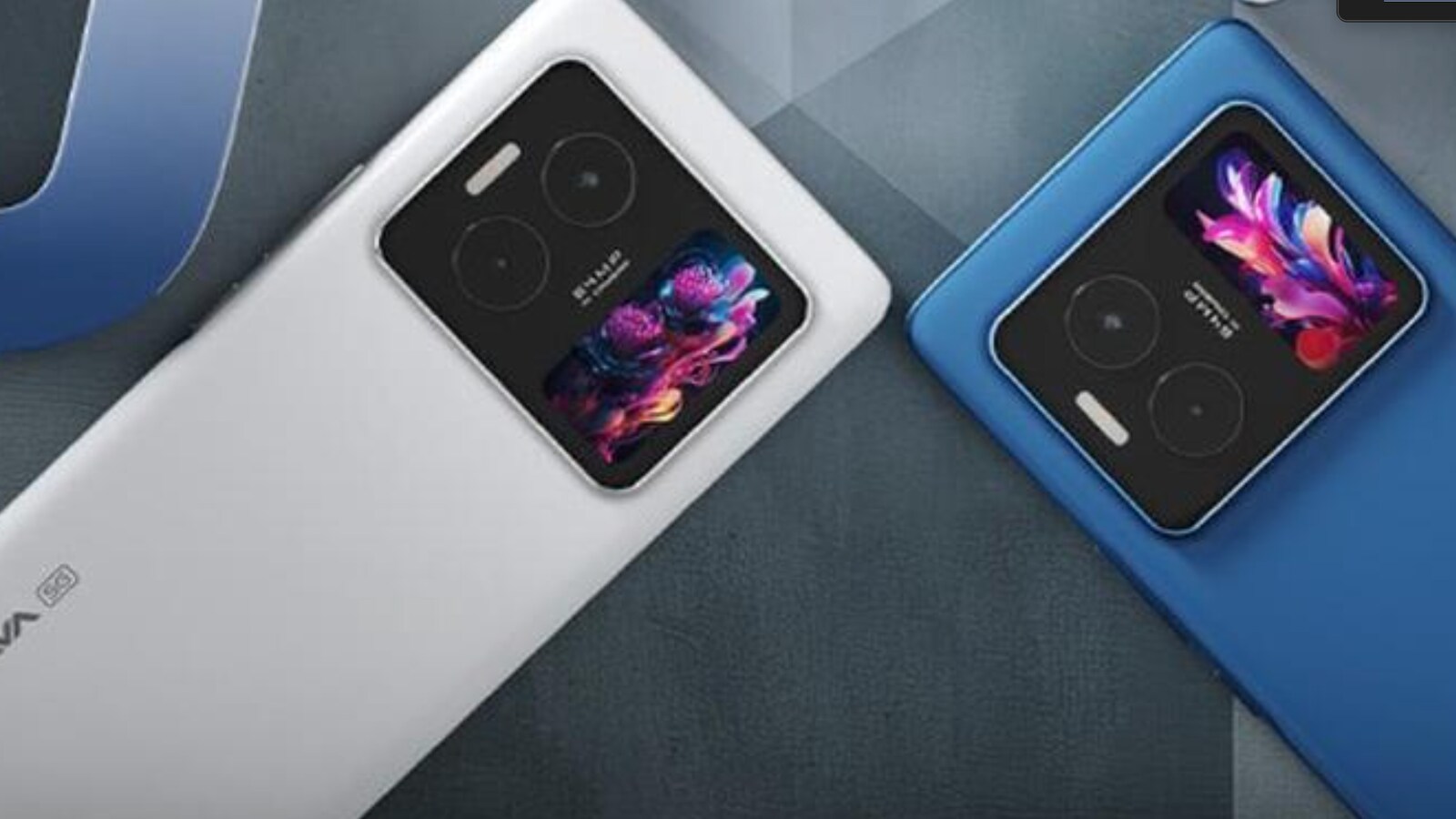
Lava has officially confirmed the India launch date of the Lava Blaze Duo 3, which is set to debut later this month. Ahead of the launch, the company has shared teasers and an Amazon listing revealing the smartphone’s design and key specifications. The Lava Blaze Duo 3 is shown with a matte finish and a flat rear panel, featuring a secondary rear display integrated into the camera module. The device is expected to run Android 15, come with an AMOLED display, a MediaTek chipset, and fast charging support, making it a compelling option in its segment.

According to a post on X, the Lava Blaze Duo 3 will officially launch in India on January 19. The teaser image shared by the company shows the handset in an off-white colorway with a sleek matte finish, a flat back panel, and softly rounded edges. Earlier teasers also showcased a black variant, giving potential buyers a glimpse of the design options available at launch.

The design of the Lava Blaze Duo 3 takes inspiration from the Lava Blaze Duo 5G, offering a slightly smaller form factor compared to devices like the Xiaomi 17 Pro series, both of which feature a rear-mounted secondary display. This additional screen is expected to allow users to check notifications, control music playback, take selfies with the rear camera, and access select apps conveniently without flipping the device.

With its combination of innovative design, secondary display functionality, and modern specifications, the Lava Blaze Duo 3 is shaping up to be an exciting release in the mid-range smartphone market. The official launch on January 19 will provide a clearer picture of pricing, RAM and storage options, and how the device competes with other Android smartphones in its category.

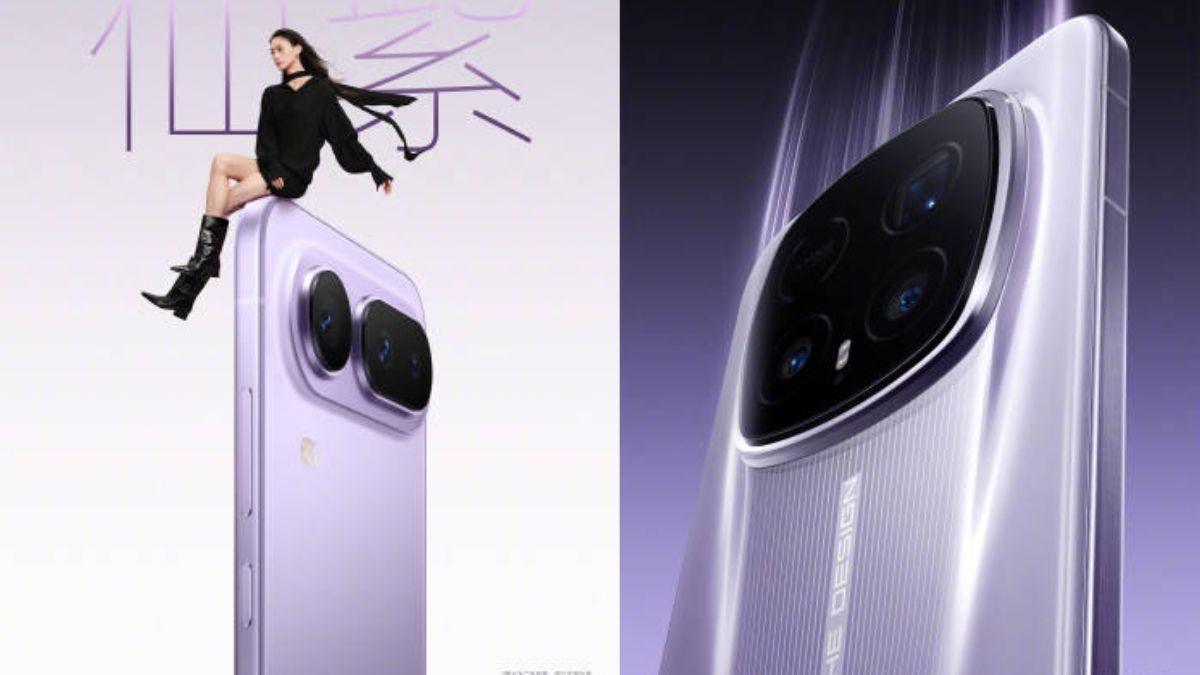
Honor Magic 8 Pro Air Specs Revealed; Honor Teases External Camera Lens for 8 RSR Porsche Design

Honor Magic 8 Pro Air confirmed to feature a 64MP periscope telephoto lens; Honor  Magic 8 RSR Porsche Design features a classic Porsche Streamer design - The  Tech Outlook

The Honor Magic 8 Pro Air and Magic 8 RSR Porsche Design smartphones are set to launch next week in China, generating excitement among tech enthusiasts. Ahead of the official unveiling, Honor has begun teasing several key features of the upcoming Magic 8 series. The company has confirmed the battery capacity for the Magic 8 Pro Air, while the Magic 8 RSR Porsche Design is expected to include an external photography kit, similar to optional accessories previously offered with Vivo and Xiaomi flagships. The Magic 8 Pro Air will debut in four colour options and multiple RAM and storage configurations, with the MediaTek Dimensity 9500 chipset powering the device.

A recent teaser on Weibo revealed that the Magic 8 Pro Air will feature a 5,500mAh “Qinghai Lake” battery, offering an impressive energy density of 917Wh/L. The device is also hinted to include a 1/1.3-inch main camera sensor and a 64-megapixel periscope telephoto lens, suggesting strong photography capabilities. These features position the Magic 8 Pro Air as a compelling choice for users who value battery life and advanced camera performance.

Honor’s official online store listing confirms the RAM and storage variants of the Magic 8 Pro Air. The smartphone will be available in 12GB+256GB, 12GB+512GB, 16GB+512GB, and 16GB+1TB configurations, catering to both casual users and power users who require extensive storage capacity. The variety of options is designed to appeal to a wide range of consumers, from those seeking high performance to those prioritizing large storage for media and apps.

Meanwhile, the Magic 8 RSR Porsche Design will stand out with its add-on photography kit, elevating the device’s camera versatility and enhancing the experience for photography enthusiasts. With the official launch just days away, the Magic 8 series is shaping up to deliver cutting-edge performance, premium design, and advanced camera features, reinforcing Honor’s position in the high-end smartphone market.