OpenAI to Introduce Ads in ChatGPT, Ensures Responses Remain Unbiased
OpenAI to start testing Ads in ChatGPT: AI responses will not be affected |  Technology News – India TV

OpenAI has officially announced that advertisements are coming to ChatGPT. On Friday, the San Francisco-based AI company revealed that it will begin testing ads on its chatbot platform in the United States first. While the initial rollout is limited, the company plans to expand ad testing globally after the trial period. This development follows recent reports that CEO Sam Altman called a “code red” and instructed employees to pause all non-ChatGPT projects indefinitely.

In an official post on X (formerly Twitter), OpenAI confirmed, “In the coming weeks, we plan to start testing ads in the ChatGPT Free and Go tiers.” The company also published a blog post outlining its principles and strategy for implementing ads on the platform. This move signals OpenAI’s first major step into monetizing the free and lower-tier versions of ChatGPT.

OpenAI has emphasized four key principles regarding ads. First, ChatGPT responses will remain unbiased and will not be influenced by advertisements. Second, all ads will be separate from AI responses and clearly labeled to avoid confusion. Third, user conversations will not be shared with advertisers, ensuring privacy. Finally, ads will not be shown to ChatGPT Plus, Pro, Enterprise, or Business subscribers, keeping premium experiences ad-free.

This measured approach highlights OpenAI’s effort to balance monetization with user trust. While ads are a new addition, the company’s safeguards aim to maintain the platform’s integrity. As testing begins in the US, observers and users worldwide are keen to see how ads will be integrated and whether OpenAI can uphold its commitment to unbiased AI interactions while exploring new revenue streams.
Vivo X200T India Launch: Expected Price, Design & Key Specs Revealed

Vivo X200T price in India leaked ahead of launch, to be priced at Rs 59999:  Release

The Vivo X200T is all set to make its debut in India, with the company recently launching a dedicated microsite on a popular e-commerce platform, signaling the handset’s imminent arrival. This move has sparked curiosity among smartphone enthusiasts, as details regarding its specifications, design, and availability begin to emerge online. Early reports suggest that the Vivo X200T will feature a large 6.67-inch AMOLED display, promising a vibrant viewing experience for users. Under the hood, the device is expected to be powered by the MediaTek Dimensity 9400+ chipset, catering to performance-focused consumers.

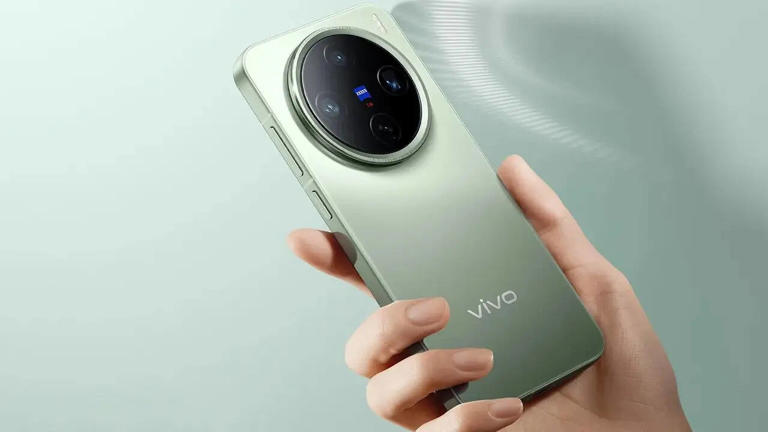
In terms of design, the Vivo X200T is rumored to sport a circular decorative element on the back, housing a triple camera setup. This design approach could give the device a distinctive look while accommodating advanced photography features. Renders of the smartphone circulating online show a sleek finish, with subtle curves and premium aesthetics that align with Vivo’s recent flagship offerings.

When it comes to pricing, tipster Abhishek Yadav has revealed that the base variant of the Vivo X200T, offering 12GB of RAM and 256GB of internal storage, could be priced at approximately Rs. 59,999 in India. The higher-end model, equipped with 12GB of RAM and 512GB of storage, is expected to carry a price tag of around Rs. 69,999. While these figures are not officially confirmed by Vivo, they provide a glimpse of where the device could sit in the premium smartphone segment.

As for availability, the Vivo X200T is tipped to launch in Black and Purple color options, adding variety for potential buyers. With the official release just around the corner, fans are eagerly awaiting more concrete information regarding its launch date and retail availability. The combination of high-end specifications, attractive design, and premium pricing could make the Vivo X200T a strong contender in the Indian market.

ASML Tops $500 Billion Market Value on TSMC Spending Boost

Shares of ASML pushed the company’s market capitalisation past $500 billion for the first time on Thursday, after key customer TSMC announced a much larger-than-expected increase in capital spending to meet surging demand for AI chips.

TSMC said it plans to spend between $52 billion and $56 billion in 2026, well above analysts’ expectations of about $46 billion. The higher budget implies significantly more spending on advanced chipmaking tools, benefiting ASML, the world’s only supplier of extreme ultraviolet (EUV) lithography machines.

ASML shares rose 5.4% by mid-day trading, extending their January gains to around 24% and cementing the company’s position as Europe’s most valuable listed firm. Analysts say ASML stands out as a major winner from the AI investment cycle, alongside memory chipmakers such as Samsung Electronics and SK Hynix.

TSMC’s stepped-up investment also reflects strong demand from clients including Nvidia and Apple. While ASML has forecast only modest growth for 2026 due to the slow pace of new fab construction, analysts say TSMC’s plans improve visibility for stronger growth into 2027 and beyond.