Microsoft Unveils AI-Powered Playable Quake II Demo for Gamers
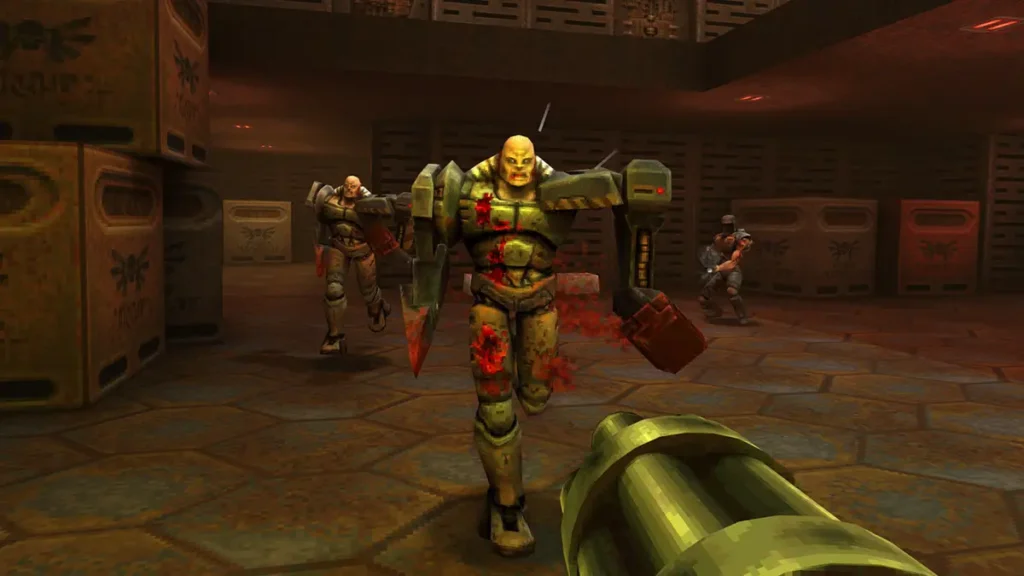
Microsoft introduced an innovative AI-generated playable demo of Quake II through its Copilot Labs platform. This interactive real-time gameplay experience showcases the potential of artificial intelligence in video game development. The tech giant used its newly released Muse AI models in combination with a cutting-edge approach called World and Human Action MaskGIT Model (WHAMM) to create the demo. This new method allows for dynamic world generation within the game, offering an experience that adapts in real-time to player actions. While this demo is currently available as a research preview to the public, Microsoft has outlined several limitations to the AI-generated gameplay, providing users with an understanding of its current boundaries.
In a detailed blog post, Microsoft’s researchers elaborated on how they harnessed the power of AI to build this playable demo. The integration of AI into 2D and 3D game generation has become an exciting frontier for game developers and researchers alike. The challenge lies in training AI models to generate real-time, interactive environments that can also adapt to the mechanics of a human player. This experiment is more than just a game demo—it’s part of a larger effort to test AI’s capabilities in simulating real-world tasks, such as controlling robots and other physical systems, by leveraging its ability to respond to user inputs in a digital environment.
Quake II, the iconic 1997 first-person shooter developed by id Software and published by Microsoft-owned Activision, serves as the perfect testing ground for this AI-driven experiment. The game, known for its fast-paced action and intricate level design, incorporates a variety of mechanics including shooting, jumping, crouching, and environmental destruction, which all needed to be accurately replicated by the AI. The demo available through Copilot Labs allows users to experience one level of Quake II for about two minutes, offering a glimpse into how AI can mimic complex gameplay mechanics.
For players, this demo provides an exciting opportunity to experience Quake II in a way never seen before, using either a controller or keyboard to navigate through the AI-generated world. While the demo is still in its early stages, the potential applications for AI in game development are vast. By demonstrating its ability to create interactive, responsive game environments, Microsoft is pushing the boundaries of both gaming and artificial intelligence, offering a sneak peek into the future of gaming technology.