Uber Bets on Loyalty Program to Drive Growth, Unveils $20 Billion Buyback Plan
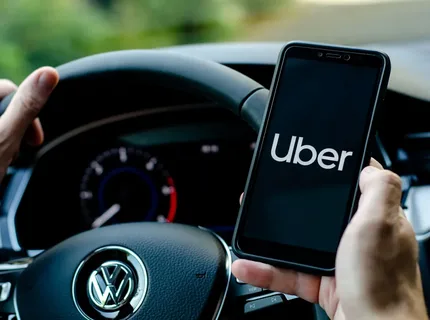
Uber (UBER.N) announced a $20 billion stock buyback program and raised its third-quarter gross bookings forecast above Wall Street expectations on Wednesday, fueled by strong adoption of its paid loyalty program, Uber One.
The $9.99-per-month Uber One membership surged 60% year-on-year in June to over 36 million members, who now account for more than one-third of Uber’s bookings. These loyal users are especially valuable as they engage with both ride-hailing and delivery services, generating over three times the profit compared to single-service users.
To boost Uber One sign-ups, the company hosted a week-long promotional event in May offering discounts across rides, food delivery, and groceries, adding half a million new members during that period. Uber’s stock has soared 48% so far this year, though it dipped about 1% in early trading following the announcement.
Uber expects third-quarter gross bookings—the total dollar value of transactions—to range between $48.25 billion and $49.75 billion, beating analyst estimates of $47.3 billion. This follows an 18.2% year-on-year increase in second-quarter gross bookings, driven by 24.6% growth in delivery and 18.8% in mobility services.
The company also reported a rise in net income to 63 cents per share in Q2 from 47 cents a year earlier, matching expectations. Adjusted core profit for the current quarter is forecast between $2.19 billion and $2.29 billion, above analyst consensus.
Uber is leveraging subscription products like the $2.99 monthly “Price Lock Pass,” which offers fixed pricing on select routes, to encourage habitual weekday commuting, now available in over 10 U.S. and Brazilian cities.
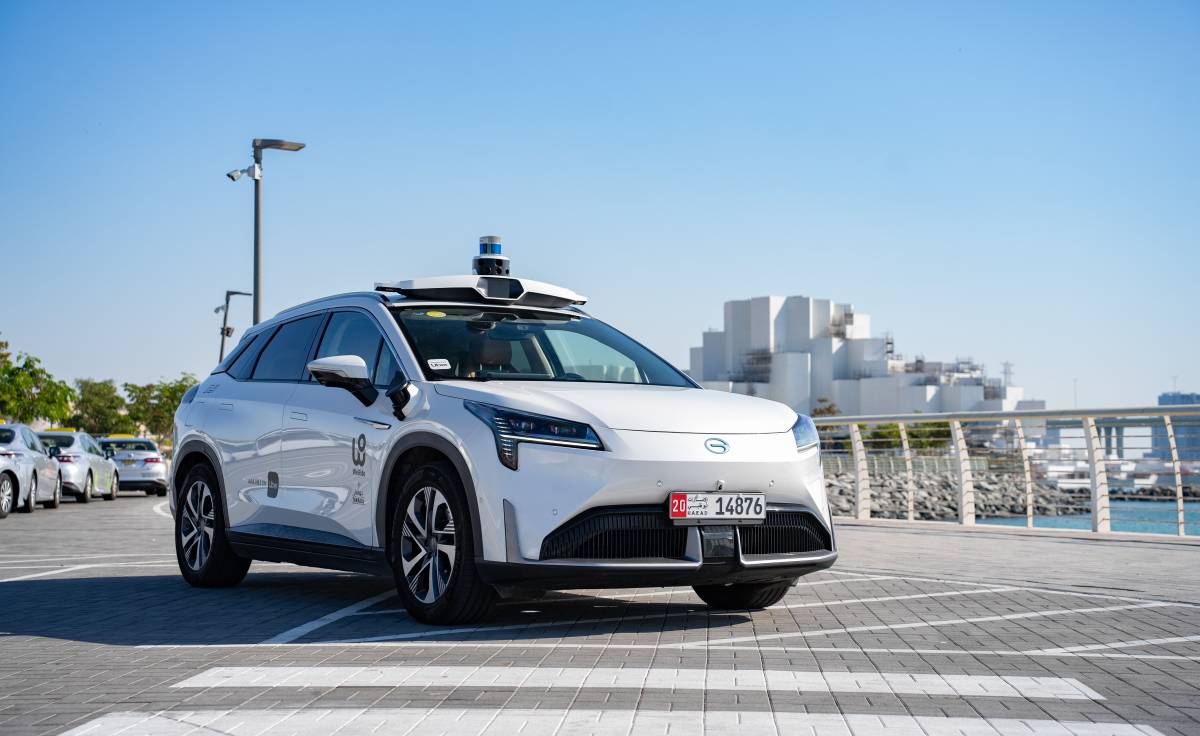
Looking ahead, Uber is expanding in autonomous vehicle technology through over 20 partnerships, including recent deals with EV maker Lucid and startup Nuro, despite not owning its own robotaxi technology.
This latest buyback authorization supplements a previously approved $7 billion program from early 2024.