
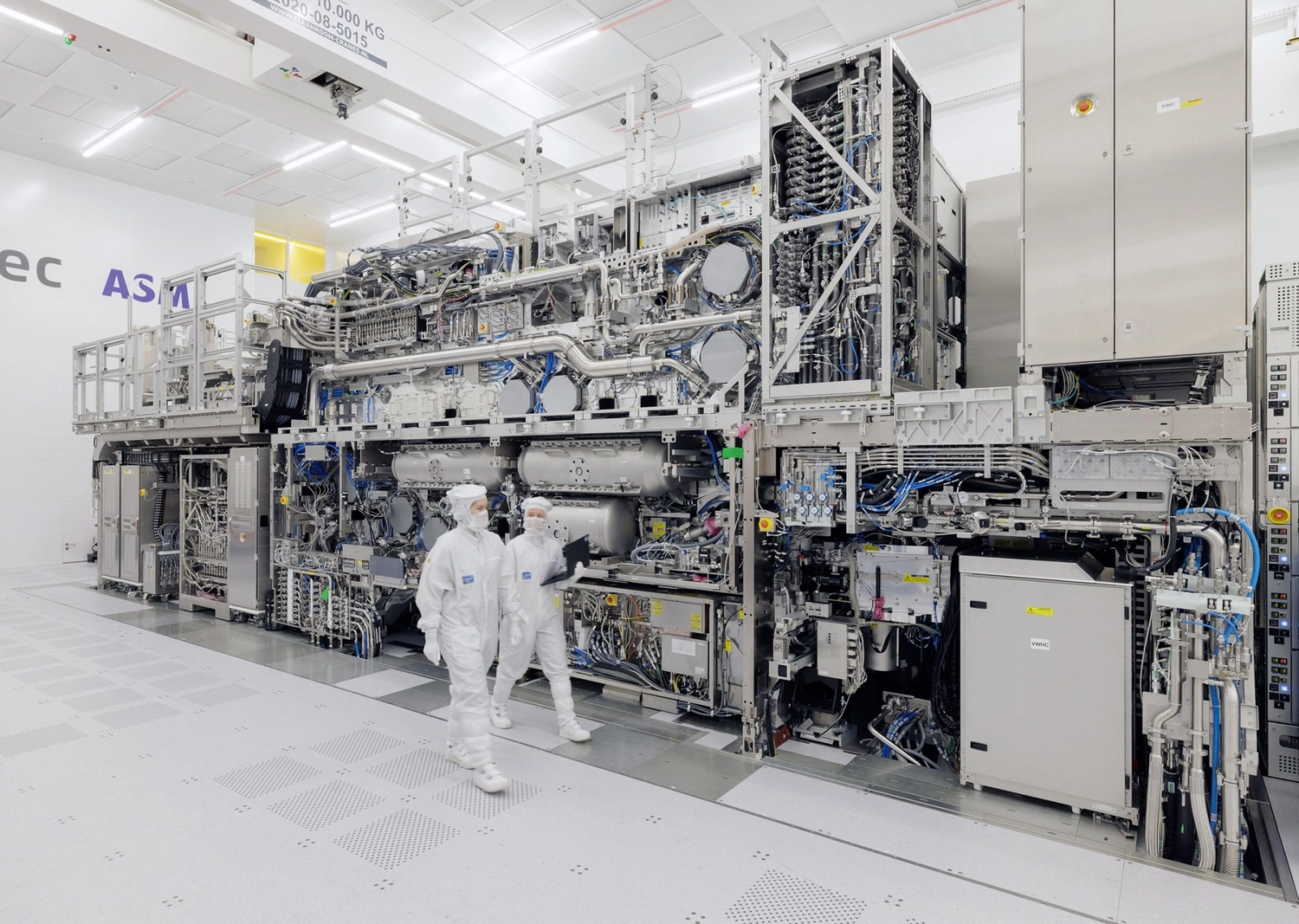
ASML, the world’s leading manufacturer of chip-making machines, surpassed market expectations for new orders as global demand for AI technologies continues to surge. CEO Christophe Fouquet highlighted that the company is experiencing “continued positive momentum around investments in AI,” which is fueling growth in both advanced logic and memory chip sectors.
The Dutch tech giant reported net bookings of €5.40 billion for the third quarter, slightly above analysts’ forecasts, and confirmed a net income of €2.12 billion — matching market expectations. ASML’s shares have jumped 37% since September and rose an additional 3.2% in early trading to €873.80.
However, ASML warned that sales to China are expected to fall sharply next year after years of rapid growth. CFO Roger Dassen described the dip as a “normalization” rather than a response to U.S.-China trade tensions. U.S. export controls continue to prevent ASML from selling its most advanced lithography systems in China, though the company said recent Chinese restrictions on rare earth exports won’t affect it in the near term.
ASML now forecasts flat sales in 2026, around €32.5 billion, before growth resumes in 2027. Analysts at JPMorgan believe market concerns over a weaker 2026 will ease, shifting focus toward the company’s long-term expansion prospects. ASML’s customers include major chipmakers such as TSMC, Intel, Samsung, SK Hynix, and Micron, which all play critical roles in AI hardware development.