Record-Breaking Semi-Transparent Solar Cells Pave the Way for Energy-Generating Windows and Building Facades
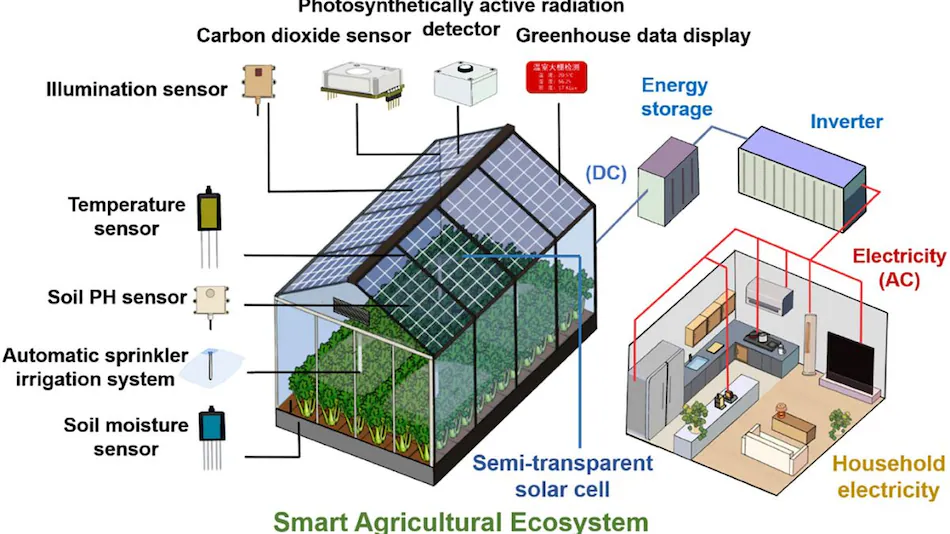
Scientists at Hong Kong Polytechnic University have developed semi-transparent solar cells that combine high light-harvesting efficiency with transparency, opening the door for energy-generating windows and building facades. Unlike conventional opaque solar panels, these cells allow natural light to pass through while simultaneously producing electricity. This innovation enables buildings to generate renewable energy without sacrificing aesthetics or interior lighting. Researchers highlight that these solar cells could outperform existing solutions while integrating seamlessly into urban environments.
The team introduced a Figure of Merit for Light Utilisation Efficiency (FoMLUE) to evaluate and optimize the performance of photoactive materials in semi-transparent organic photovoltaics (ST-OPVs). By selecting materials with a higher FoMLUE, the cells can absorb more sunlight while maintaining their transparency. This approach also improves thermal insulation and operational stability, making the technology suitable for long-term practical use.
These high-efficiency semi-transparent solar cells have the potential to transform building-integrated photovoltaics. They can be installed as windows, facades, or other surfaces, generating electricity without blocking natural light. This dual functionality supports sustainable architecture by reducing reliance on conventional electricity sources and lowering carbon emissions.
Looking ahead, researchers aim to further enhance efficiency, bringing ST-OPVs closer to mainstream adoption. As performance improves, buildings could increasingly serve as power generators, helping urban environments contribute to global renewable energy goals while maintaining design and comfort standards.