NASA Launches Twin Mars Probes to Uncover How the Red Planet Lost Its Atmosphere
NASA is preparing to send two identical probes to Mars in a groundbreaking effort to uncover how the Red Planet lost its atmosphere — and what that might mean for Earth’s future.
Billions of years ago, Mars had a thick atmosphere, liquid water, and Earth-like chemistry. But today, it’s a frozen, airless desert. The question scientists are asking is simple yet profound: what went wrong?
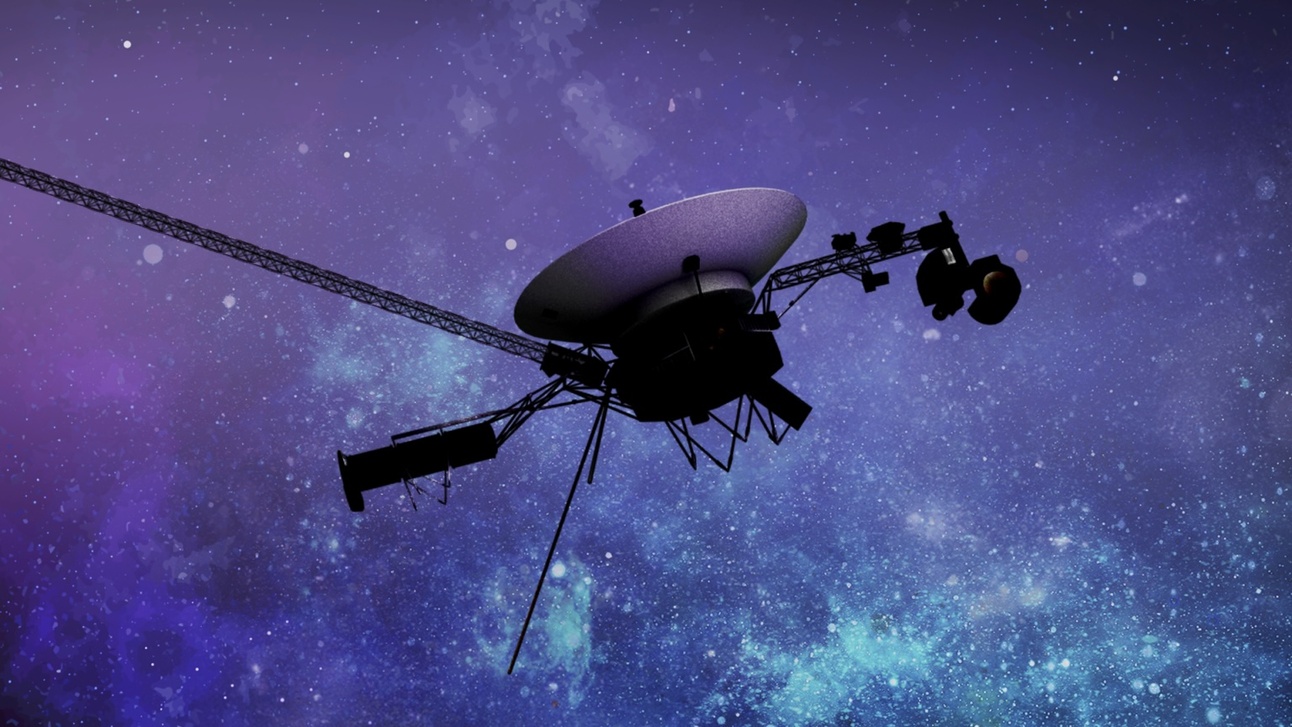
The ESCAPADE mission — short for Escape and Plasma Acceleration and Dynamics Explorers — will send twin satellites, nicknamed Gold and Blue, to orbit Mars in formation, offering the first-ever 3D view of its magnetic and atmospheric interactions.
The probes, each about the size of a mini-fridge, are scheduled to launch Sunday from Kennedy Space Center aboard Blue Origin’s New Glenn rocket, which will make only its second flight. Instead of the usual direct trajectory, ESCAPADE will take a unique route — looping around a Lagrange point for a year before slingshotting toward Mars, a maneuver that could revolutionize future interplanetary mission planning.
NASA and the University of California, Berkeley’s Space Sciences Laboratory designed the mission to explore how solar wind — the stream of charged particles from the Sun — has stripped away Mars’ atmosphere over time. Without a strong magnetic field like Earth’s, Mars was left vulnerable to this cosmic erosion.
By 2027, the orbiters will study how solar storms affect Mars’ magnetosphere in real time, helping researchers understand both planetary climate loss and how to protect future astronauts from harmful space radiation.
“This is a low-cost mission — about $70 to $80 million — but with enormous scientific value,” said Casey Dreier of the Planetary Society. “Understanding Mars’ atmospheric loss helps us grasp how delicate Earth’s own system really is.”
As NASA faces tightening budgets, ESCAPADE represents a new model: small, efficient missions tackling big scientific questions — and a reminder that studying Mars may teach us more about saving Earth than we expect.