iPhone 18 Pro and iPhone Air 2 Prices Could Rise Due to Higher Component Costs
The A20 and A20 Pro chips could cost Apple up to $280 each, driving up overall production expenses.
Apple is widely expected to debut its next flagship mobile processor built on a cutting-edge 2nm process in 2026, a move that could significantly reshape its iPhone lineup. While the advanced manufacturing node promises gains in performance and efficiency, it may also bring higher production costs. Reports suggest Apple will have to pay a premium to its chip manufacturing partner as silicon wafer prices continue to rise.
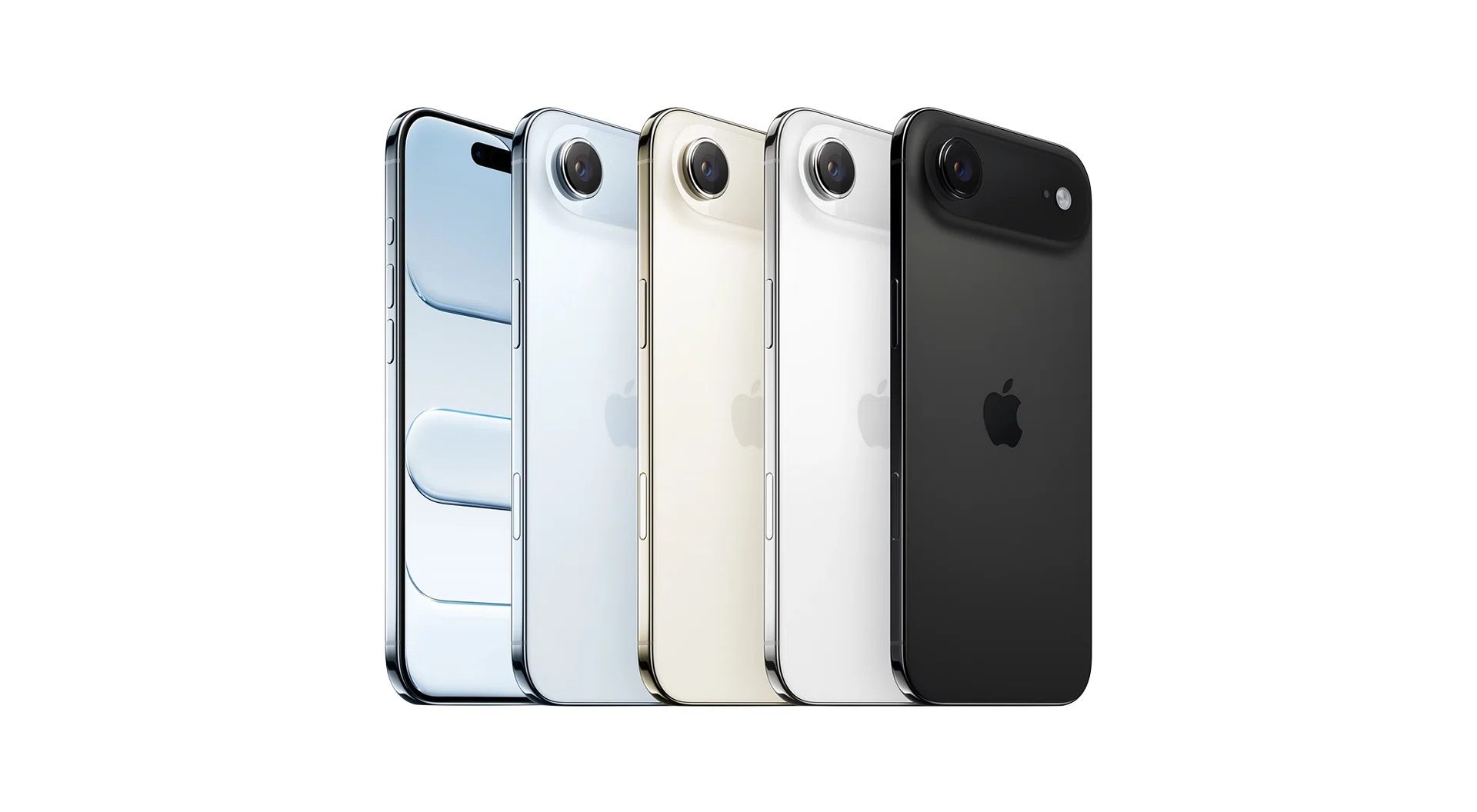
The anticipated A20 and A20 Pro chipsets are likely to power the iPhone 18 family, which is expected to include the iPhone 18 Pro, iPhone 18 Pro Max, a next-generation iPhone Air model, and the iPhone Fold 2. These processors are said to be produced using TSMC’s 2nm fabrication process, similar to rival efforts already underway in the industry.
According to sources in Taiwan, TSMC is raising prices for 2nm silicon wafers, which form the base material for advanced chips. Each 12-inch wafer used for 2nm manufacturing reportedly contains around 100 layers and carries an estimated cost of about $30,000. Such increases directly affect the cost per chip, especially for complex, high-end processors.
As a result, Apple may be forced to absorb higher expenses or pass some of the added cost on to consumers. This could translate into a price hike for future iPhone models, particularly the premium variants, as Apple balances cutting-edge technology with growing manufacturing costs.