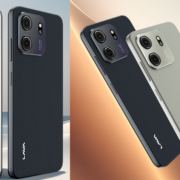
Lava Bold N2 Lite Launched in India With 5,000mAh Battery, 6.75-Inch Display: Price, Specifications

Lava Bold N2 Lite was launched in India by the Noida-based smartphone maker on Wednesday, as the latest addition to its Bold N2 lineup. The new handset joins the recently unveiled Lava Bold N2 Pro and the standard Bold N2 models. Scheduled to go on sale in the country later this month via an e-commerce platform, it will be available in two colour options and a single storage configuration. Powering the new Lava Bold N2 Lite is an octa core Unisoc chipset. The handset is backed by a 5,000mAh battery, with support for 10W wired fast charging. It also features a 6.75-inch touchscreen.

Lava Bold N2 Lite Specifications, Features

The Lava Bold N2 Lite is a dual SIM handset that runs on Android 15 Go. The new handset is equipped with a 6.75-inch HD+ (720×1,600 pixels) Notch Display, with up to 90Hz of refresh rate. The Lava Bold N2 Lite is powered by an octa core Unisoc 9863A chipset. It also features 3GB of RAM and 64GB of onboard storage, which is expandable by up to 512GB via a microSD card. The handset is backed by a 5,000mAh battery with support for 10W wired charging.


For optics, the Lava Bold N2 Lite is equipped with a 13-megapixel AI dual camera with an LED flash. The handset also features a 5-megapixel camera on the front for selfies and video calls. It supports 4G LTE, Wi-Fi, Bluetooth 4.2, a USB Type-C port, and a 3.5mm audio jack for connectivity. The phone also gets a side-mounted fingerprint scanner for security. It measures 164.96×76.1×8.8mm and weighs about 192g.
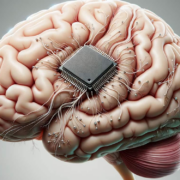

China Brain Chip Firm Says It Trails Neuralink by 3 Years

Chinese brain-computer interface company NeuCyber Neurotech said its most advanced brain chip technology is still about three years behind Elon Musk’s Neuralink, highlighting the gap as China accelerates development in the sector.

The company said its latest invasive product, Beinao-2, is still in the animal testing stage, while Neuralink already has more than 20 human trial participants. NeuCyber’s executives said the next steps include early clinical studies and then larger human trials before the technology can move closer to commercial use.

China recently approved its first invasive brain-computer interface device for commercial use, showing how quickly the country is trying to expand in the field. Beijing has also elevated brain-computer interfaces to a priority strategic industry alongside quantum technology and embodied AI.

NeuCyber has already implanted its earlier Beinao-1 system in several patients, including individuals with severe paralysis, and said some users showed improvement in hand movement and computer control. The company aims to broaden trials further this year as it works toward regulatory approval.

The update reflects China’s wider effort to narrow the gap with leading global brain chip developers while building a domestic market for advanced neurotechnology.

Ecolab Buys CoolIT for $4.75B to Target AI Cooling Demand

Ecolab has agreed to acquire liquid cooling specialist CoolIT Systems from KKR for approximately $4.75 billion in cash, aiming to expand its presence in the fast-growing AI data center market.

The deal comes as technology companies increase investment in artificial intelligence infrastructure, driving demand for advanced cooling solutions. Traditional air cooling is being replaced by liquid-based systems that can handle higher chip densities and energy loads.

CoolIT provides liquid cooling technology to major industry players, including chipmakers such as Nvidia and AMD. Its systems are widely used by hyperscale and colocation data center operators.

Ecolab expects the acquisition to strengthen its capabilities by combining CoolIT’s hardware and thermal engineering expertise with its own strengths in water management, chemistry and digital monitoring. This integration is expected to position the company as a more comprehensive provider of cooling and fluid management solutions.

CoolIT is projected to generate around $550 million in revenue over the next year. The transaction is expected to close in the third quarter of 2026 and contribute positively to Ecolab’s earnings per share by 2028.